Shinjuku
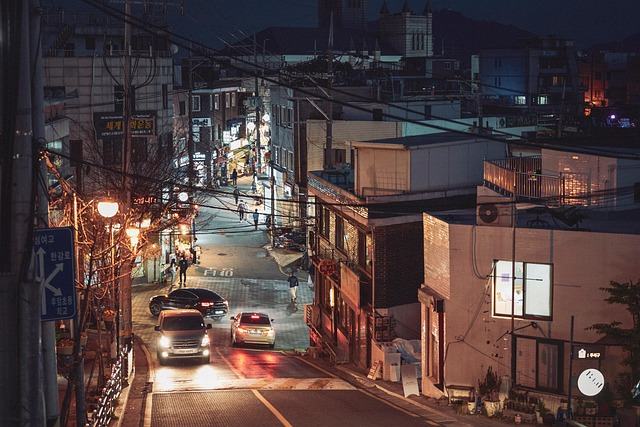
Best for: Nightlife & TransportA neon-soaked entertainment district centered on the city's best-connected rail hub with endless dining options.
See hotels in Shinjuku →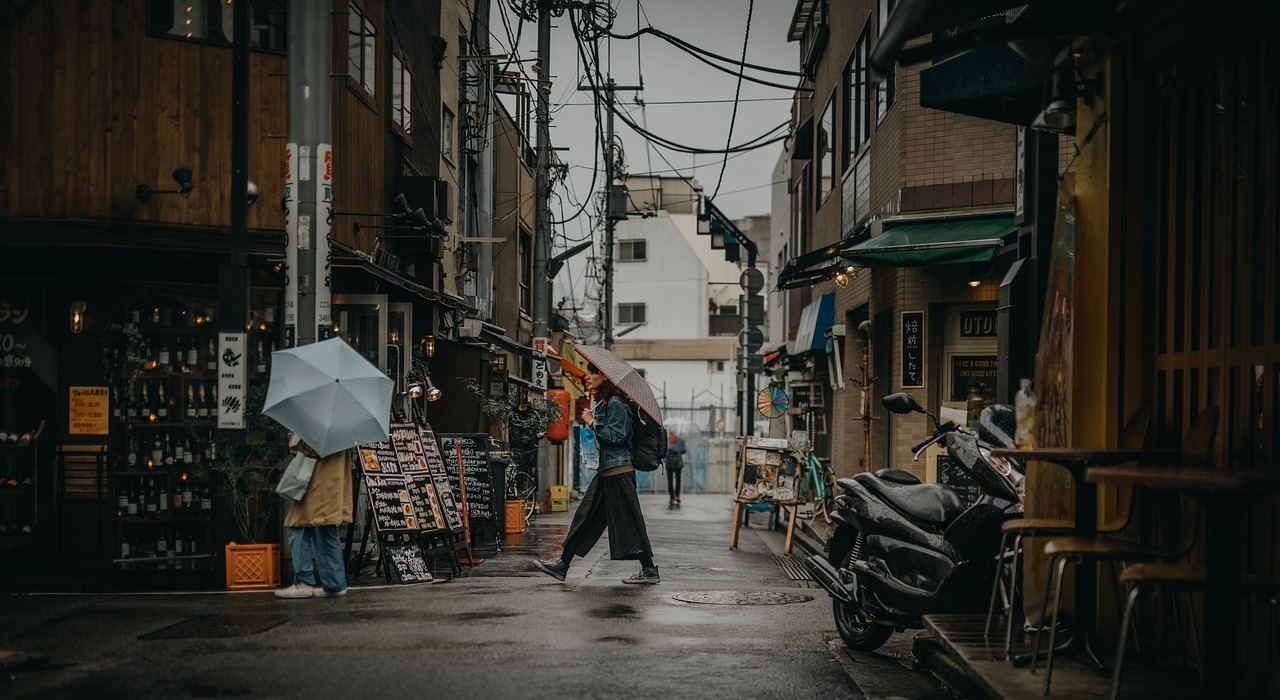
Japan · Where ancient traditions meet neon-lit futuristic innovation at every corner.
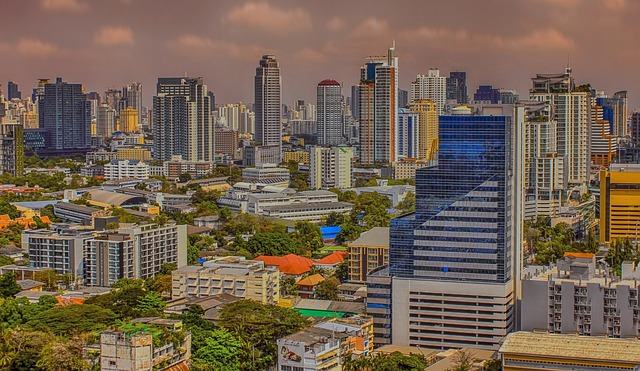
Tokyo is a dynamic megacity where centuries-old temples sit peacefully beside soaring skyscrapers and cutting-edge tech hubs. Foodies, culture buffs, and urban explorers will fall in love with its spotless streets, world-class dining, and unmatched hospitality.
The best months to visit are October through November for crisp weather and vivid autumn colors, or March to April for the famous cherry blossoms.
High crowds and peak hotel prices around the cherry blossom bloom and Golden Week.
Expect rainy spells in June, lively neighborhood matsuri festivals, and evening fireworks.
Ideal sightseeing weather, colorful fall foliage, and moderate travel crowds.
Crisp views of Mount Fuji, dazzling winter illuminations, and fewer international tourists.
Walk through the iconic Kaminarimon Gate to explore Tokyo's oldest and most revered Buddhist temple.
Immerse yourself in the bustling heart of modern Tokyo at the world's busiest pedestrian intersection.
Wander barefoot through massive, fully immersive digital art installations featuring water and light.
Find tranquility beneath towering evergreen trees at this expansive Shinto shrine dedicated to Emperor Meiji.
Browse multi-story electronics stores, retro game centers, and anime collectibles in the otaku capital.
Sample freshly prepared seafood, tamagoyaki, and Japanese street snacks from historic alleyway stalls.
Stroll through a serene blend of traditional Japanese, English landscape, and French formal gardens.
Take in sweeping 360-degree views across the metropolis and Mount Fuji from Japan's tallest tower.
A neon-soaked entertainment district centered on the city's best-connected rail hub with endless dining options.
See hotels in Shinjuku →A high-energy hub filled with youth fashion, trendy cafes, and quick train access to major sights.
See hotels in Shibuya →A historic riverside neighborhood with traditional craft shops, affordable guesthouses, and old-world charm.
See hotels in Asakusa →An elegant shopping district lined with high-end boutiques, flagship department stores, and acclaimed restaurants.
See hotels in Ginza →Keep a digital transit card loaded on your smartphone to pay for trains, vending machines, and konbini meals with ease.
Tell us where you fly from and we'll find real prices.
Springy wheat noodles served in steaming, savory broth flavored with soy sauce, miso, or rich tonkotsu pork bone.
Pristine slices of fresh seasonal fish lightly pressed over seasoned vinegared rice.
Juicy chicken cuts skewered on bamboo and grilled over glowing binchotan charcoal with salt or tare glaze.
Thick, tender pork cutlets breaded in airy panko flakes and deep-fried to crisp perfection.
A delightful dessert combining rich green tea soft-serve, sweet red beans, chewy mochi, and jelly.
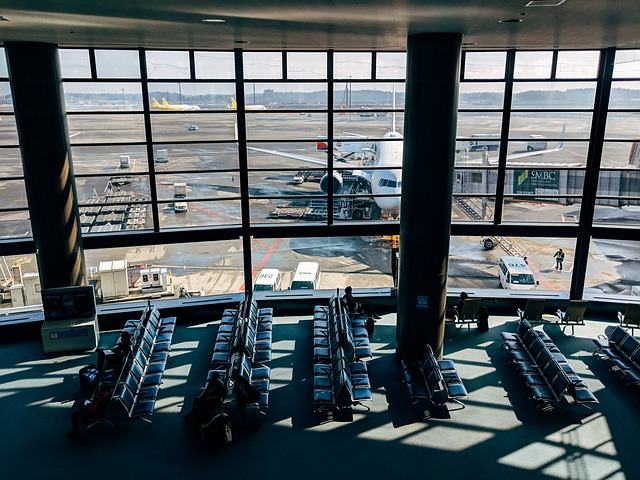
Both Haneda and Narita airports connect quickly to central Tokyo via clean express trains and limousine buses. Once in the city, the subway and JR Yamanote line make reaching any neighborhood rapid and straightforward with a digital IC card.
Most shops and restaurants accept cards and transit cards, but carrying cash remains important for small eateries, temples, and coin lockers. Many older vending machines and ramen ticket kiosks only take physical yen.
Major train stations, hotels, and tourist attractions feature excellent English signage and announcements. Staff in hospitality usually know basic English, and translation smartphone apps bridge any remaining gaps easily.
Tokyo consistently ranks among the safest major cities in the world across all metrics. Walking alone at night is safe, and violent crime rates are exceptionally low throughout the city.
Top attractions such as teamLab exhibitions and themed character cafes require booking roughly one to two months early. Peak season hotels for spring and autumn should be secured three to six months in advance.
Tap water across Tokyo is completely pure, strictly regulated, and safe to drink. You can fill your personal reusable water bottle at hotel taps throughout your stay without concern.
AI-written guide, last updated 2026-10-08. Check opening times, prices and travel rules before you go. Photos: thepoorphotographer, viarami, pierre9x6 on Pixabay.