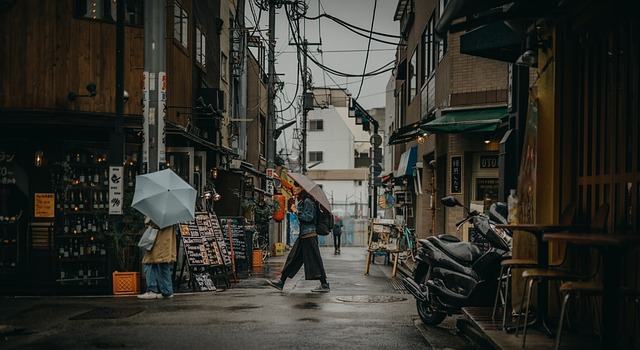
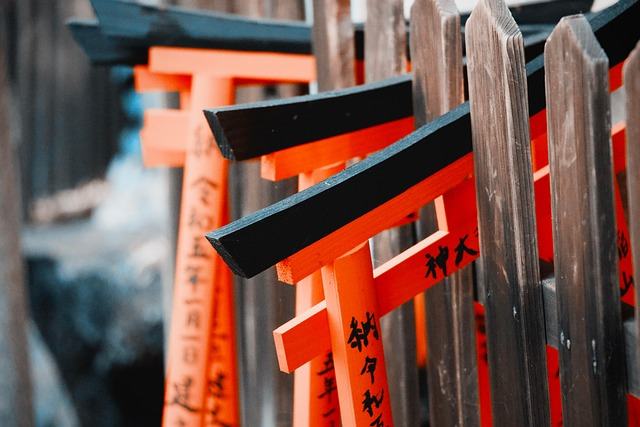
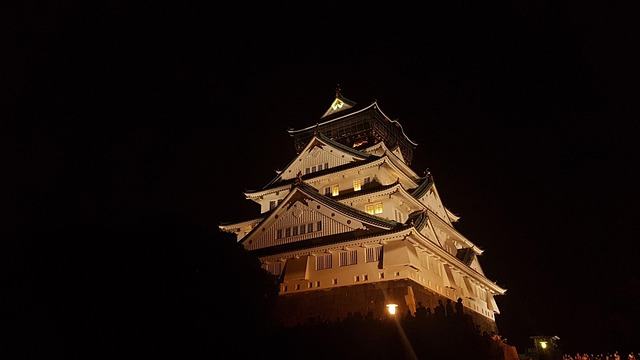
Tokyo
A dazzling metropolis blending towering skyscrapers and quirky modern districts with quiet shrines and exceptional dining.
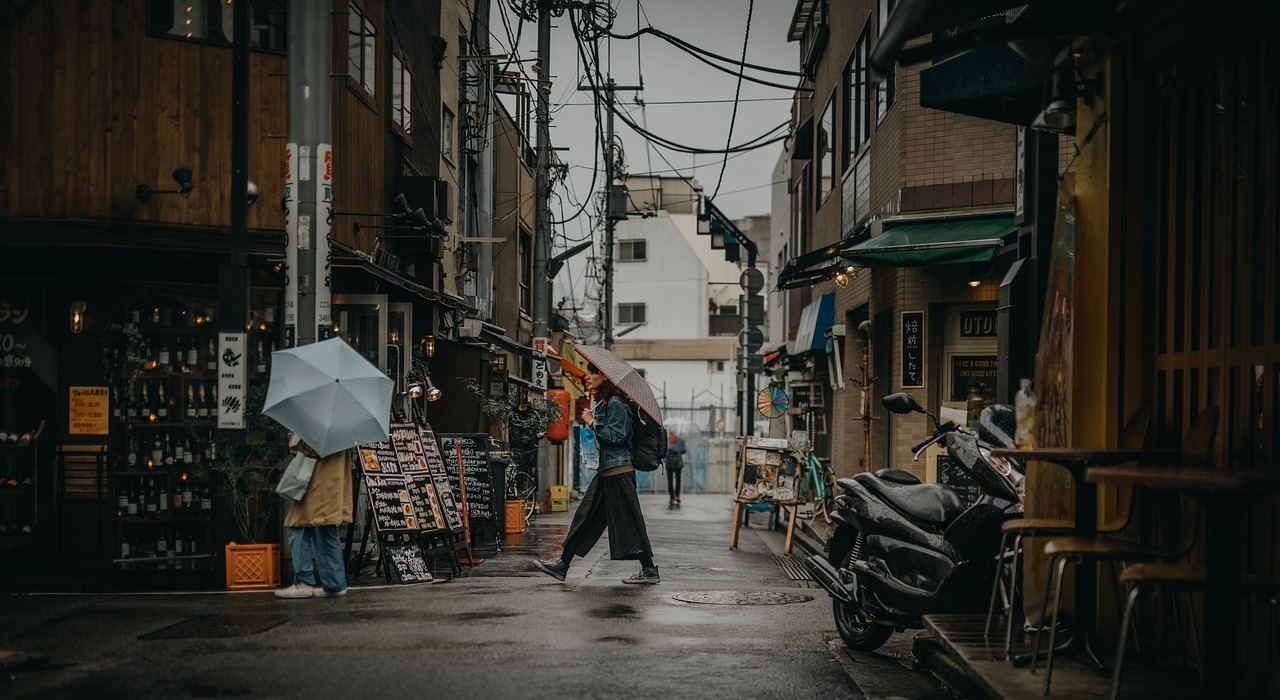
Asia · Where ancient traditions seamlessly meet futuristic wonders and unmatched hospitality.
Japan captivates travelers with its harmonious blend of hyper-modern neon cities, timeless Buddhist temples, and breathtaking natural scenery. Food lovers, history buffs, and outdoor enthusiasts will all find an endless array of unforgettable experiences across the islands. It is a remarkably clean and welcoming country that caters brilliantly to solo wanderers, couples, and families alike.
Spring from March to May and autumn from September to November offer pleasant temperatures and stunning natural colors. These shoulder seasons provide the most comfortable weather for exploring urban centers and rural landscapes alike.
Peak crowds and higher accommodation rates coincide with cherry blossom season.
Expect vibrant matsuri festivals, occasional typhoons, and great hiking conditions in Hokkaido.
Stunning fall foliage draws moderate to high crowds with very pleasant walking weather.
World-class powder snow in ski regions, lower city crowds, and wonderful hot springs.
A dazzling metropolis blending towering skyscrapers and quirky modern districts with quiet shrines and exceptional dining.
The cultural heart of the nation, famous for thousands of classical temples, serene Zen gardens, and historic geisha districts.
A bustling commercial hub celebrated for its outgoing locals, dynamic nightlife, and celebrated street-food culture.
An iconic volcanic peak framed by picturesque lakes, scenic mountain railways, and restorative thermal hot spring baths.
A poignant peace memorial city paired with a sacred nearby island renowned for its floating red torii gate.
Japan's northern wilderness, famed for pristine national parks, summer flower meadows, and powdery winter ski slopes.
Experience neon skylines, historic temples, and legendary cuisine along the central travel corridor. High-speed Shinkansen bullet trains make transit between these destinations fast and seamless.
Plan this routeDelve into preserved samurai quarters, alpine villages, and moving peace memorials. This route is easily completed using a combination of express trains and high-speed rail lines.
Plan this routeExplore snowy peaks, historic hot spring towns, and northern coastal scenery. Fast bullet trains connect the mainland stops, with domestic flights or undersea rail linking to Hokkaido.
Plan this routeAdding a digital IC card like Suica to your phone saves money on transport and convenient everyday purchases.
Satisfying wheat noodles served in steaming, complex broths ranging from rich tonkotsu pork to delicate soy sauce.
Fresh slices of seasonal seafood delicately pressed over seasoned vinegar rice by skilled culinary masters.
A savory cabbage pancake layered with batter, pork, seafood, and a sweet-savory barbecue glaze.
Crisp spherical batter bites stuffed with tender octopus pieces and topped with savory sauce and bonito flakes.
Earthy whipped green tea complemented by delicate, artful sweets made from sweetened azuki red bean paste.
Japan features one of the world's most reliable and punctual transport systems, anchored by the high-speed Shinkansen bullet train network. Regional rail lines, clean highway buses, and domestic flights provide convenient ways to venture into outlying areas. Car rentals are best saved for exploring rural regions such as Hokkaido, Okinawa, and the Japanese Alps.
Japan accommodates a wide range of budgets comfortably, especially with affordable chain eateries and budget business hotels. High-speed trains and luxury accommodations represent the highest costs, so booking transit and lodging in advance helps keep spending down.
Following recent nationwide price increases, the full JR Pass is rarely cost-effective unless you are covering massive distances in a short period. Most travelers now spend less by booking individual point-to-point bullet train tickets or regional rail passes.
While credit card acceptance and digital payments have expanded significantly, cash remains essential for temple fees, coin lockers, and small mom-and-pop restaurants. You can easily withdraw yen using international debit cards at 7-Eleven or family convenience store ATMs.
Yes, navigating Japan as an English speaker is straightforward due to multilingual signs across major transport networks and tourist landmarks. Using an offline translation application on your phone makes ordering meals and interacting with locals smooth and simple.
Visitors should dress respectfully in modest clothing and speak in hushed, polite tones while exploring sacred grounds. Remember to bow slightly at shrine gates, purify your hands at water basins, and remove your footwear when entering wooden temple halls.
Get flights, hotels and a day-by-day plan across cities, made for you.
Start planningAI-written guide, last updated 2026-10-08. Check visa rules, prices and opening times before you go. Photos: thepoorphotographer, viarami on Pixabay.