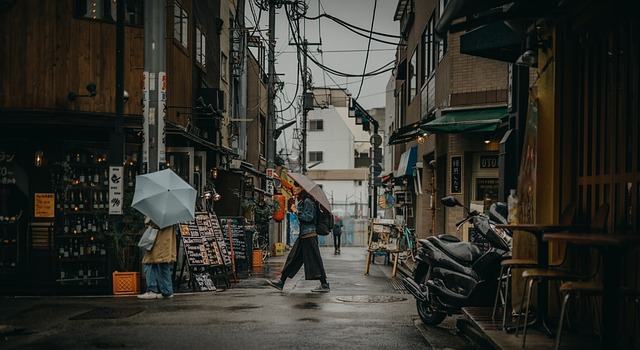
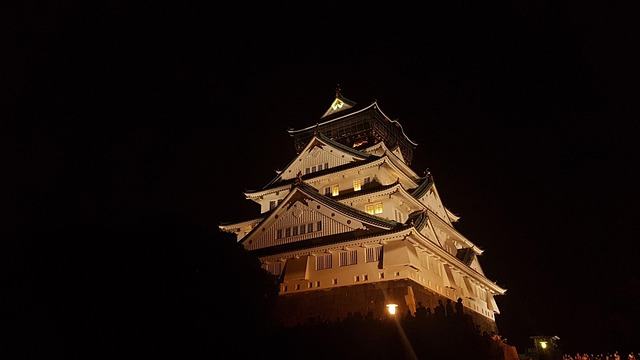
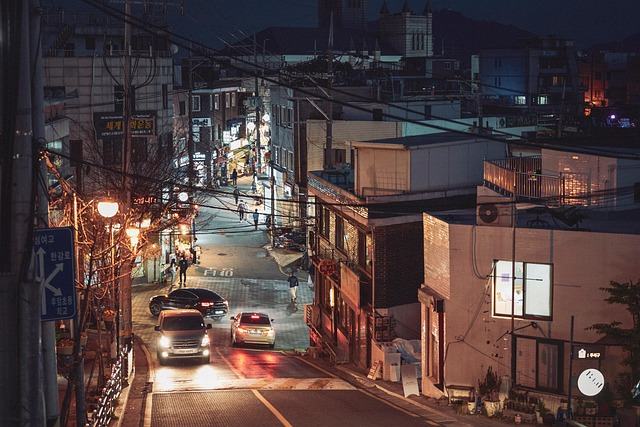
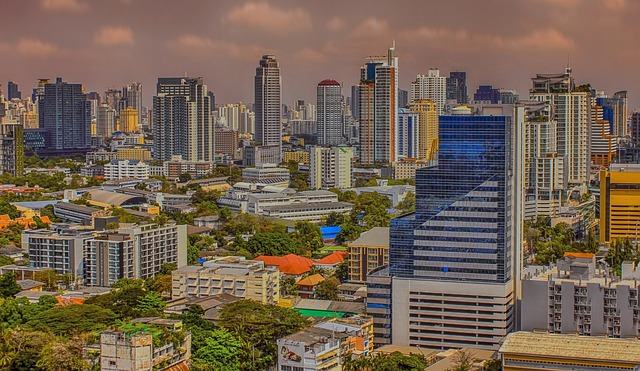
Downtown (Kawaramachi & Karasuma)
Best for: First-timers & ShoppersCentral location packed with vibrant dining, subway links, and bustling retail avenues.
See hotels in Downtown (Kawaramachi & Karasuma) →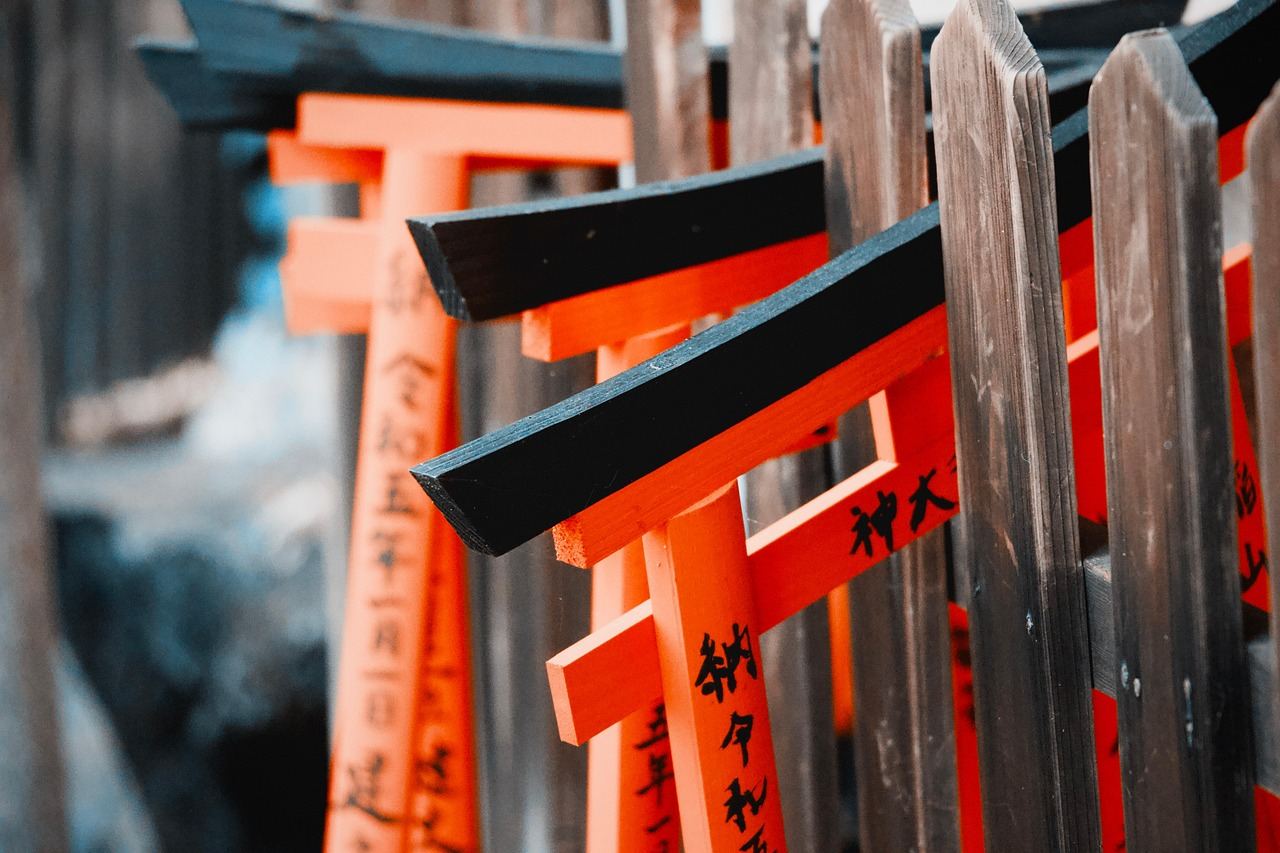
Japan · Timeless temples, tranquil bamboo groves, and Japan's enchanting cultural heart.
Kyoto is Japan's former imperial capital, celebrated for thousands of classical Buddhist temples, serene Zen gardens, and historic wooden machiya houses. It is the ultimate destination for history buffs, spiritual seekers, and food lovers wanting to experience traditional Japanese culture at its finest.
Late March to mid-April for cherry blossoms, and October to November for vibrant autumn leaves and crisp, pleasant weather.
Peak crowds and high accommodation rates during cherry blossom season.
Rainy season in June; vibrant Gion Matsuri festival in July brings large festive crowds.
Spectacular fall foliage draws high visitor numbers in November, so book early.
Lowest crowds, cheaper hotel rates, and peaceful temple visits, especially in January.
Walk beneath thousands of vibrant vermilion torii gates winding up sacred Mount Inari.
Marvel at the stunning Zen temple gilded in pure gold leaf reflecting across a calm pond.
Stroll along towering green bamboo stalks in western Kyoto, best experienced at daybreak.
Admire sweeping views across Kyoto from this historic wooden temple terrace built without nails.
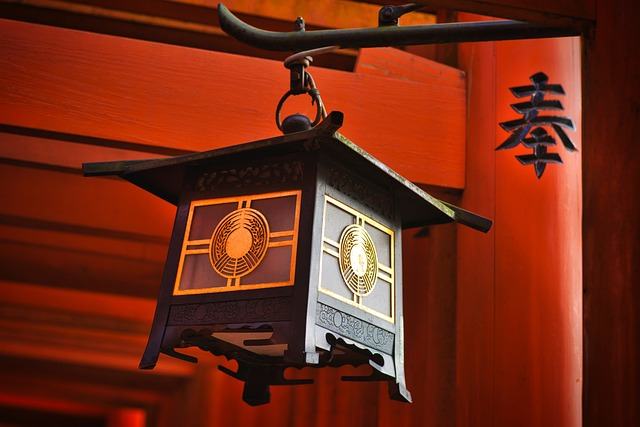
Wander past preserved wooden teahouses and lanterns where you might spot geiko and maiko.
Sample local street food delicacies, savory skewers, and regional pickles in this lively five-block arcade.
Walk along a scenic stone path beside a cherry-tree-lined canal connecting classic temples.
Explore Japanese pop culture history and browse an enormous manga archive inside a converted school.
Central location packed with vibrant dining, subway links, and bustling retail avenues.
See hotels in Downtown (Kawaramachi & Karasuma) →Historic streets, romantic lanterns, and easy walking access to famed shrines and authentic ryokans.
See hotels in Gion & Higashiyama →Hub for bullet trains and regional day trips, offering modern hotels and casual dining.
See hotels in Kyoto Station Area →Tranquil mountain-fringed retreat on Kyoto's western edge, known for scenic river views and bamboo groves.
See hotels in Arashiyama →Keep a digital IC transit card loaded on your smartphone for effortless tap-and-pay travel across trains and buses.
Tell us where you fly from and we'll find real prices.
A multi-course traditional meal highlighting exquisite seasonality, artistic plating, and delicate local flavors.
Silken simmered tofu served in a fragrant kelp broth, a historic specialty created near Kyoto temples.
Rich green tea parfaits, soft serve, and pastries crafted using premium powdered tea from nearby Uji.
Crisp seasonal pickled vegetables cured with delicate seasonings, serving as a staple side dish across the city.
Earthy buckwheat noodles served in warm dashi broth topped with tender duck slices and sweet local leeks.
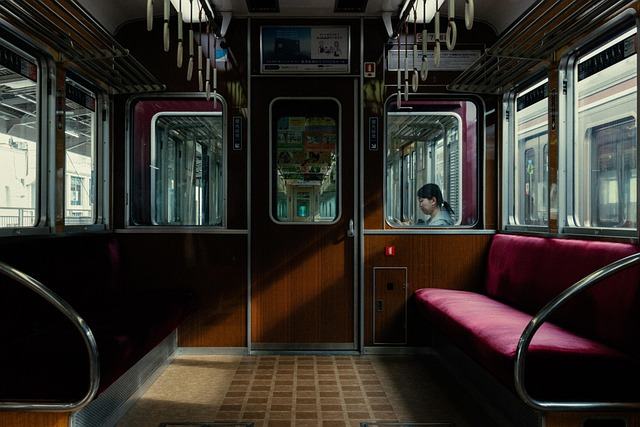
From Kansai International Airport, ride the JR Haruka Express train directly to Kyoto Station in about 75 minutes. Within Kyoto, travel mainly by the two subway lines and JR trains to avoid road traffic, supplemented by local buses or rental bicycles for eastern and western sights.
Three to four days allows you to cover major temples, central food districts, and scenic Arashiyama comfortably. Add an extra day if you want to take easy day trips to Nara or Uji.
Yes, public transport signs and temple visitor maps widely feature clear English translations. Hotel and service staff are very helpful, and mobile translation apps bridge any remaining gaps.
Opt for subways and trains whenever available, as major city streets suffer heavy traffic during cherry blossom and fall foliage seasons. Use buses only when reaching spots not covered by rail lines.
While most modern stores and hotels take cards, cash remains necessary for temple admission fees, shrine talismans, and traditional market stands. Carry some yen notes with you daily.
Kyoto's centuries-old temples often feature gravel grounds, stone steps, and raised wooden sills that present accessibility hurdles. However, major landmarks like Kiyomizu-dera and Kinkaku-ji provide paved ramp pathways for visitors.
AI-written guide, last updated 2026-10-08. Check opening times, prices and travel rules before you go. Photos: qgadrian, devinedsel, djedj on Pixabay.