Gion Historic District
Kyoto, Japan · Neighborhood
About Gion Historic District
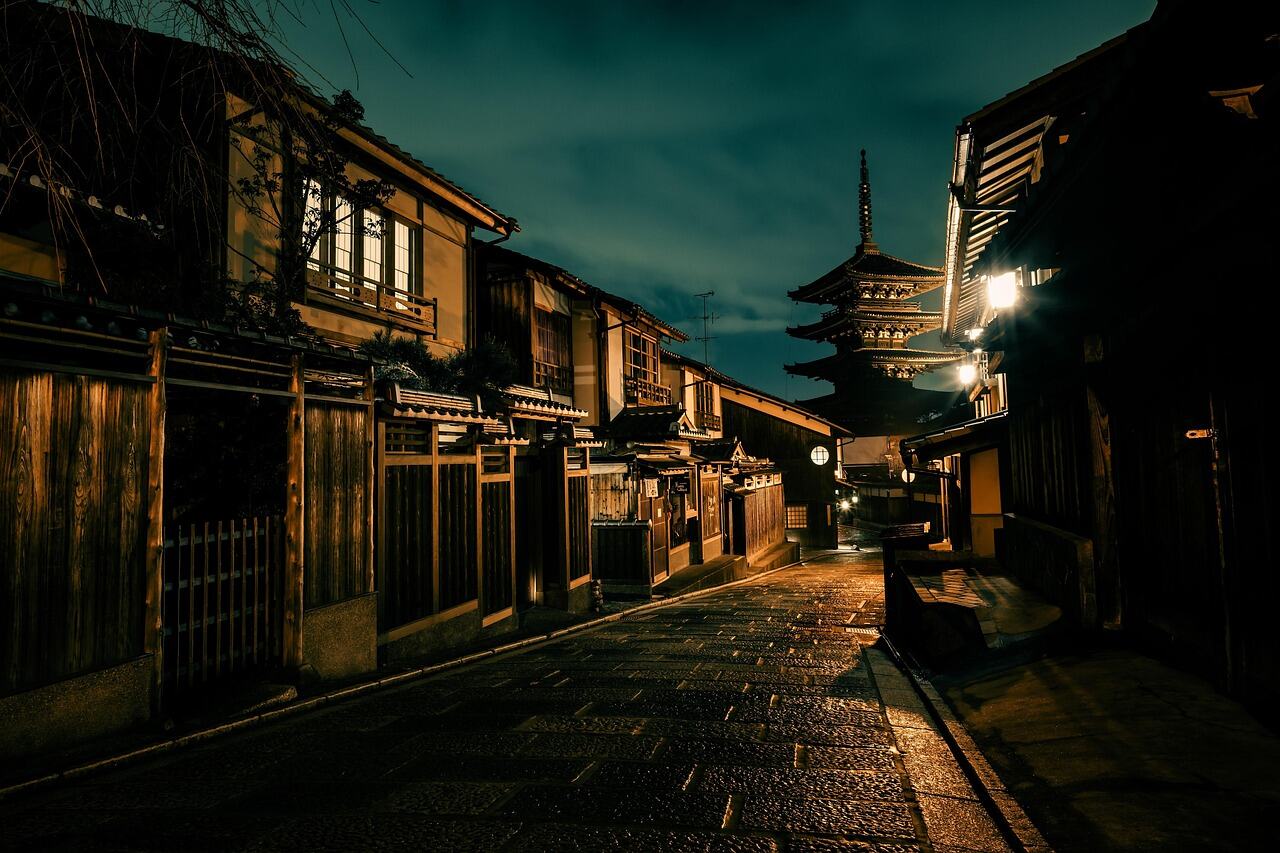
Gion is Kyoto's most celebrated traditional entertainment quarter and the epicenter of Japanese geisha culture. The neighborhood is famous for its preserved wooden machiya merchant houses, historic teahouses, and stone-paved lanes. Visitors from around the world come here to experience the timeless atmosphere and catch a glimpse of apprentice maiko or fully trained geiko heading to evening appointments.
Don't miss
- Hanami-koji Street is the bustling main thoroughfare lined with historic wooden facades and high-end kaiseki restaurants.
- The Shirakawa Canal provides a peaceful riverside stroll framed by weeping willow trees and traditional wooden bridges.
- Yasaka Shrine anchors the eastern edge of the district and is beautifully illuminated with hundreds of paper lanterns after dark.
- Gion Corner offers accessible daily cultural performances where visitors can watch brief demonstrations of classical arts and dance.
Plan your visit
Early evening at dusk is the most atmospheric time to visit, as traditional lanterns illuminate the streets and geiko make their way to dinner engagements. Spring is also exceptional, particularly when cherry blossoms line the Shirakawa Canal.
Exploring the public streets of Gion is completely free and requires no tickets. Entering cultural theaters, private teahouse experiences, or fine-dining venues requires advance reservations and paid admission.
From Kyoto Station, take city bus 100 or 206 directly to the Gion bus stop. Alternatively, take the Keihan Main Line to Gion-Shijo Station, which puts you right at the edge of the district.
Tips for visiting
- Strictly follow all street signs that prohibit photography on designated private alleys to avoid hefty fines.
- Do not touch, obstruct, or chase geiko and maiko as they walk to their evening appointments.
- Visit just after sunrise if you want crowd-free photos of the preserved architecture.
- Wear comfortable walking shoes suitable for walking along historic cobblestones and flagstone paths.
- Make dinner reservations weeks in advance if you plan to eat at one of the area's popular traditional restaurants.
Gion Historic District FAQ
Are visitors allowed to take photos of geiko and maiko?
You may take photos from a respectful distance while on public streets, but you must never corner, block, or touch them. Photography is strictly prohibited on many private side streets marked with clear warning signs. Always be discreet and prioritize their privacy and safety.
What is the difference between a geiko and a maiko?
In Kyoto, traditional artists are called geiko, while their younger apprentices are called maiko. Maiko wear more colorful kimonos with long trailing sashes and ornate floral hairpieces, whereas geiko dress more subtly with simpler hairstyles and shorter obi sashes.
Can regular tourists enter the traditional ochaya teahouses?
Most historic ochaya operate strictly by personal introduction and do not accept first-time or walk-in guests. However, tourists can book arranged cultural shows at Gion Corner or reserve cultural dining experiences through select luxury hotels and agencies.
Is Gion safe to walk through at night?
Gion is remarkably safe to explore at night, even into the late evening hours. While the streets become very quiet once dining establishments close, the softly lit lanterns make it a peaceful and secure neighborhood to stroll through.
More things to do in Kyoto
Fushimi Inari Taisha Landmark
Walk beneath thousands of vibrant vermilion torii gates winding up sacred Mount Inari.
Kinkaku-ji (Golden Pavilion) Landmark
Marvel at the stunning Zen temple gilded in pure gold leaf reflecting across a calm pond.
Arashiyama Bamboo Grove Nature
Stroll along towering green bamboo stalks in western Kyoto, best experienced at daybreak.
Kiyomizu-dera Landmark
Admire sweeping views across Kyoto from this historic wooden temple terrace built without nails.
Nishiki Market Food
Sample local street food delicacies, savory skewers, and regional pickles in this lively five-block arcade.
Philosopher's Path Nature
Walk along a scenic stone path beside a cherry-tree-lined canal connecting classic temples.
Kyoto International Manga Museum Museum
Explore Japanese pop culture history and browse an enormous manga archive inside a converted school.
AI-written guide, last updated 2026-10-09. Check opening times and ticket prices on the official website before you go. Photos: Kanenori, DerWeg on Pixabay.