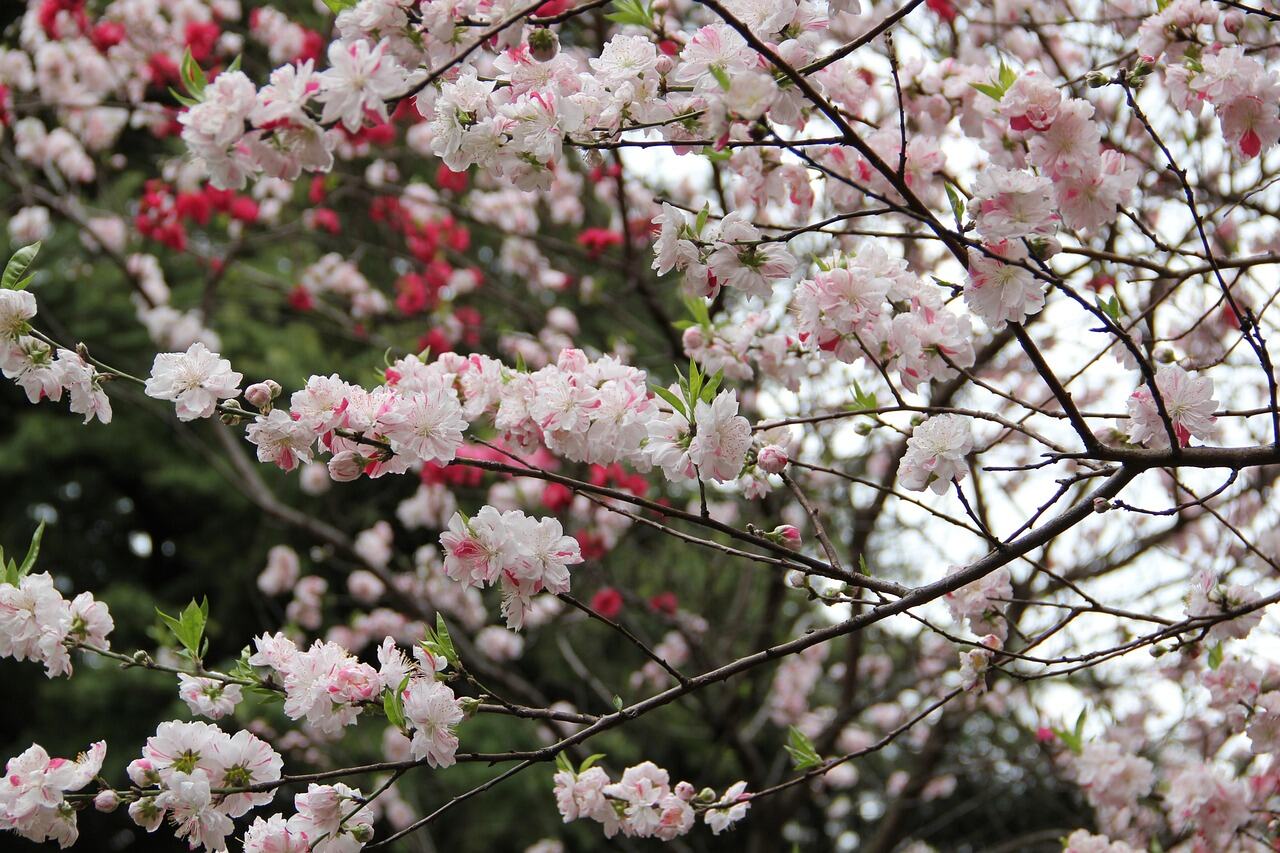
Shinjuku Gyoen National Garden
Tokyo, Japan · Nature
About Shinjuku Gyoen National Garden
Shinjuku Gyoen National Garden is one of Tokyo's largest and most popular public parks, originally developed during the Edo period as a feudal lord's residence before becoming an imperial garden. It is world-renowned for seamlessly blending three distinct landscaping styles: traditional Japanese, English landscape, and French formal. Spanning over 140 acres, it provides a tranquil escape from the skyscrapers and bustling streets of central Tokyo.
Don't miss
- Wander the traditional Japanese Garden to admire serene koi ponds, scenic bridges, and the historic Taiwan Pavilion.
- Relax on the sprawling lawns of the English Landscape Garden, which features magnificent mature cherry trees.
- Admire the symmetry of the French Formal Garden, famous for its romantic rows of sycamore trees and vibrant rose beds.
- Step inside the large modern Greenhouse to discover an impressive collection of tropical and subtropical plants and rare orchids.
Plan your visit
Visit in late March to early April for cherry blossoms, or in November for brilliant autumn leaves and the annual chrysanthemum exhibition. Early mornings on weekdays are ideal to avoid the largest crowds.
A paid admission ticket is required for entry and can be purchased at the gate. Advance reservations may be required during the peak spring cherry blossom season to manage crowd levels.
The park is a five-minute walk from Shinjukugyoen-mae Station on the Marunouchi Subway Line. It can also be reached in about ten minutes on foot from the South Exit of JR Shinjuku Station.
Tips for visiting
- Note that bringing alcoholic beverages into the park is strictly prohibited, and bag checks are conducted at entry gates.
- Wear comfortable walking shoes because the park grounds are extensive and involve a lot of walking on both paved and gravel paths.
- Be sure to take your trash with you, as public garbage bins are limited throughout the garden.
- Check the schedule before visiting, as the park is typically closed on Mondays unless a national holiday falls on that day.
- Use an IC transportation card such as Suica or Pasmo at the automated ticket turnstiles to enter quickly.
Shinjuku Gyoen National Garden FAQ
Can I bring my own food into the park for a picnic?
Yes, visitors are welcome to bring food and non-alcoholic drinks to enjoy on the open lawns. However, alcoholic drinks are completely forbidden, and you must pack out all of your garbage when you leave.
Are pets allowed inside Shinjuku Gyoen?
Pets are not allowed inside the garden under any circumstances to preserve the natural environment and plant life. Only certified assistance dogs are permitted entry.
Which entrance gate is best to use?
The Shinjuku Gate is the most popular choice because it is closest to JR Shinjuku Station. If you want to avoid peak congestion, the Okido Gate and Sendagaya Gate are often less crowded alternatives.
Is Shinjuku Gyoen accessible for wheelchairs and strollers?
Yes, the park is very accessible, featuring wide, mostly flat paved paths and gentle slopes. Free manual wheelchairs are available to borrow at each gate, and accessible restrooms are located throughout the grounds.
More things to do in Tokyo
Senso-ji Temple Landmark
Walk through the iconic Kaminarimon Gate to explore Tokyo's oldest and most revered Buddhist temple.
Shibuya Crossing Landmark
Immerse yourself in the bustling heart of modern Tokyo at the world's busiest pedestrian intersection.
teamLab Planets Museum
Wander barefoot through massive, fully immersive digital art installations featuring water and light.
Meiji Jingu Shrine Landmark
Find tranquility beneath towering evergreen trees at this expansive Shinto shrine dedicated to Emperor Meiji.
Akihabara Electric Town Neighborhood
Browse multi-story electronics stores, retro game centers, and anime collectibles in the otaku capital.
Tsukiji Outer Market Food
Sample freshly prepared seafood, tamagoyaki, and Japanese street snacks from historic alleyway stalls.
Tokyo Skytree Landmark
Take in sweeping 360-degree views across the metropolis and Mount Fuji from Japan's tallest tower.

AI-written guide, last updated 2026-10-09. Check opening times and ticket prices on the official website before you go. Photos: merdanata, binmassam on Pixabay.