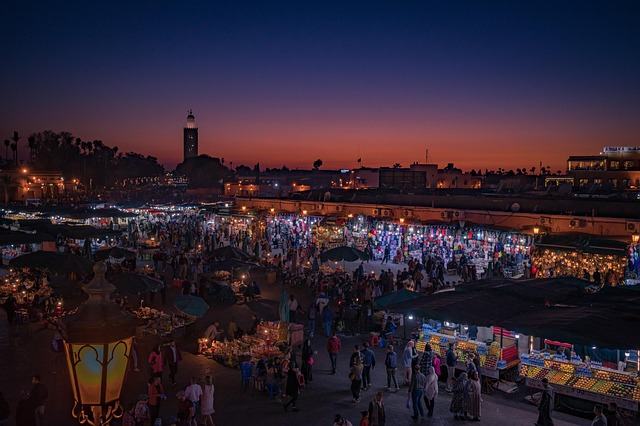
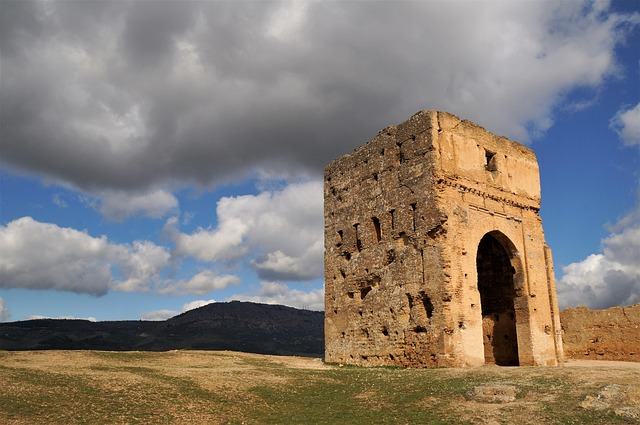
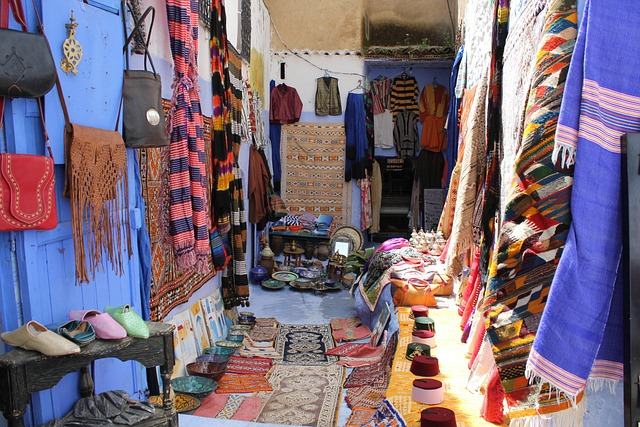
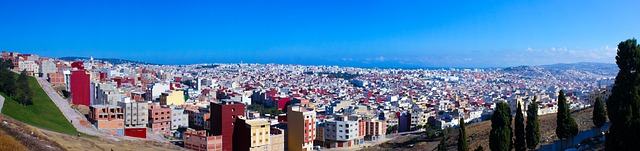
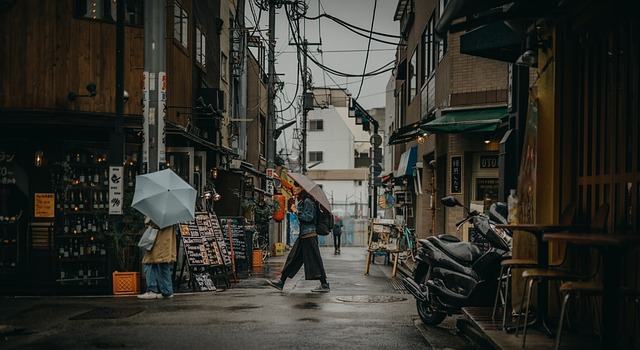
Morocco remains one of the most rewarding and accessible destinations for independent budget travelers. From the historic medinas of Marrakech and Fez to the blue streets of Chefchaouen, your money can stretch remarkably far. Here is an honest look at what you can expect to spend and how to explore the country comfortably on a modest budget.
Daily Budget Tiers: What You Will Actually Spend
A true shoestring traveler staying in hostel dorms, eating local street food, and taking public transit can comfortably get by on 30 to 40 USD per day. If you prefer a private room in a traditional riad, occasional sit-down meals, and paid museum entries, expect a mid-range budget of around 60 to 90 USD per day.
Keep in mind that prices fluctuate with inflation, currency exchange rates, and tourist seasons. Spring and autumn bring peak demand and higher lodging rates, whereas mid-summer and mid-winter offer noticeably cheaper room prices.
- Shoestring budget: 30 to 40 USD per day (dorm bed, street food, public buses)
- Budget-plus: 50 to 75 USD per day (budget private room, local restaurants, train travel)
- Peak travel months: April, May, September, and October tend to cost more for lodging
- Low season discounts: July and August offer bargains, though midday heat is intense
Accommodation: Hostels, Riads, and Guesthouses
Hostel dorm beds in major travel hubs like Marrakech and Tangier are plentiful and typically cost between 10 and 20 USD per night, often including a basic breakfast of bread, jam, and mint tea. For solo travelers or friends traveling together, this is by far the cheapest option.
Couples and pairs often find that a private double room in a modest family-run riad costs only slightly more than two dorm beds. Booking just outside the busiest core of medinas in Fez or Rabat will usually get you quieter nights and lower room rates.
- Hostel dorm bed: roughly 10 to 20 USD per night
- Budget private double in a traditional riad: roughly 30 to 55 USD per night
- Always confirm whether tourist city taxes are included in your online booking price
- Breakfast is commonly included at riads, which helps keep morning meal costs at zero
Food and Drink: Eating Well for Less
Eating like a local is one of the easiest ways to keep your spending low in Morocco. Street food stalls sell fresh rotisserie chicken, spiced lentils, harira soup, and fresh round khobz bread for just a few dollars.
Tourist-oriented restaurants around famous squares like Jemaa el-Fnaa charge significantly more for tagines and couscous. Walking three or four alleys away into residential quarters will instantly cut your food bill in half and usually reward you with better home-cooked flavors.
- Bowl of harira soup with bread: around 1 to 2 USD at neighbourhood stalls
- Local tagine lunch at a simple diner: 4 to 7 USD
- Freshly squeezed orange juice in city squares: about 1 to 1.50 USD
- Sit-down multi-course meal in a tourist restaurant: 12 to 20 USD
Transportation: Trains, Buses, and Shared Taxis
Morocco has one of Africa's best rail networks, operated by ONCF. The high-speed Al Boraq train links Tangier to Casablanca via Rabat quickly and affordably, while standard intercity trains connect Marrakech and Fez at very reasonable rates.
For destinations off the rail grid, such as Chefchaouen, reliable bus companies like CTM and Supratours provide clean, air-conditioned service. For shorter hops between nearby towns, grand taxis run set routes with shared passenger pricing that costs very little.
- Train tickets: typically 10 to 25 USD for second-class intercity trips
- CTM intercity buses: roughly 6 to 15 USD depending on distance
- Grand taxis: fixed shared rates per seat, best for routes between neighboring towns
- Petit taxis: metered city cabs, always ensure the driver switches on the meter
Sightseeing, Monuments, and Guided Tours
Many of Morocco's best experiences cost next to nothing, including wandering ancient medinas, browsing spice markets, and hiking through mountain villages. However, national monuments, madrasas, and palaces carry standard entry fees that usually range between 7 and 10 USD per site.
Organized day tours, such as desert excursions from Marrakech or day trips into the Rif mountains, can eat up your budget quickly. Joining small group tours booked directly in town is almost always cheaper than booking long before arrival through international agencies.
- Historic monuments and palaces: roughly 7 to 10 USD entry per site
- Self-guided medina walks: free, but prepare to politely decline unsolicited guides
- Public hammams: authentic local bathhouses cost only 2 to 4 USD without spa extras
- Desert excursions: look for transparent local group operators to keep costs reasonable
Managing Money and Hidden Expenses
Morocco runs primarily on cash for daily purchases, especially in souks, small eateries, and taxis. While credit cards are increasingly accepted in major hotels and upscale shops in Casablanca and Marrakech, you will need Moroccan Dirhams for virtually everything else.
ATM withdrawal fees and card foreign transaction charges can accumulate over a multi-week trip. Use bank-attached ATMs during business hours and always choose to be billed in local currency rather than letting the machine convert to your home currency.
- Carry small cash notes and coins for tips, restrooms, and taxi fares
- Avoid dynamic currency conversion at ATMs to dodge poor exchange rates
- Buy a local SIM card at the airport or train station for cheap mobile data
- Agree on taxi prices in advance only when a working meter is genuinely unavailable
FAQ
Is bargaining expected when shopping in Moroccan souks?
Yes, bargaining is standard practice in market stalls and handicraft souks throughout the country. Approach negotiations with a friendly smile, keep the interaction polite, and never feel pressured to buy if the price exceeds your budget.
How much should I tip in Morocco on a budget?
Tipping is customary but modest in local establishments. Leaving 5 to 10 percent at casual cafes and restaurants, rounding up small taxi fares, and giving a small coin tip for luggage help is standard and appreciated.
Can I travel around Morocco cheaply using only trains?
Trains connect major destinations such as Tangier, Rabat, Casablanca, Fez, and Marrakech easily. However, reaching mountain hubs like Chefchaouen or southern desert regions requires using public bus networks like CTM or shared taxis.
Plan it with TripPilot
Tell our AI where you want to go and get flights, hotels and a day-by-day plan.
Start planningWritten with AI help and checked for usefulness. Prices, opening times and travel rules change, so check before you go.