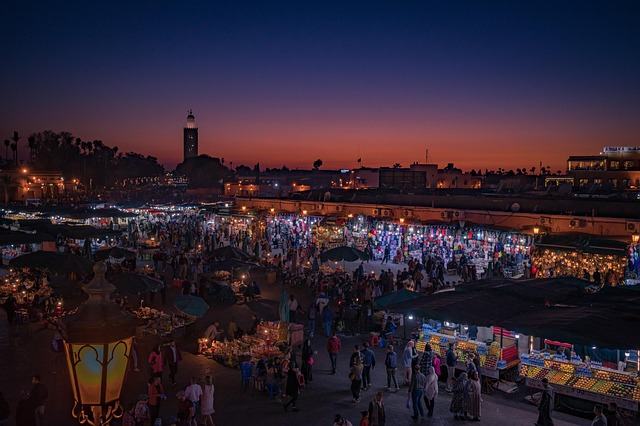
Medina
Best for: Budget travelers & culture loversStay inside the walled historic center for atmospheric riads, traditional architecture, and steps-away access to souks.
See hotels in Medina →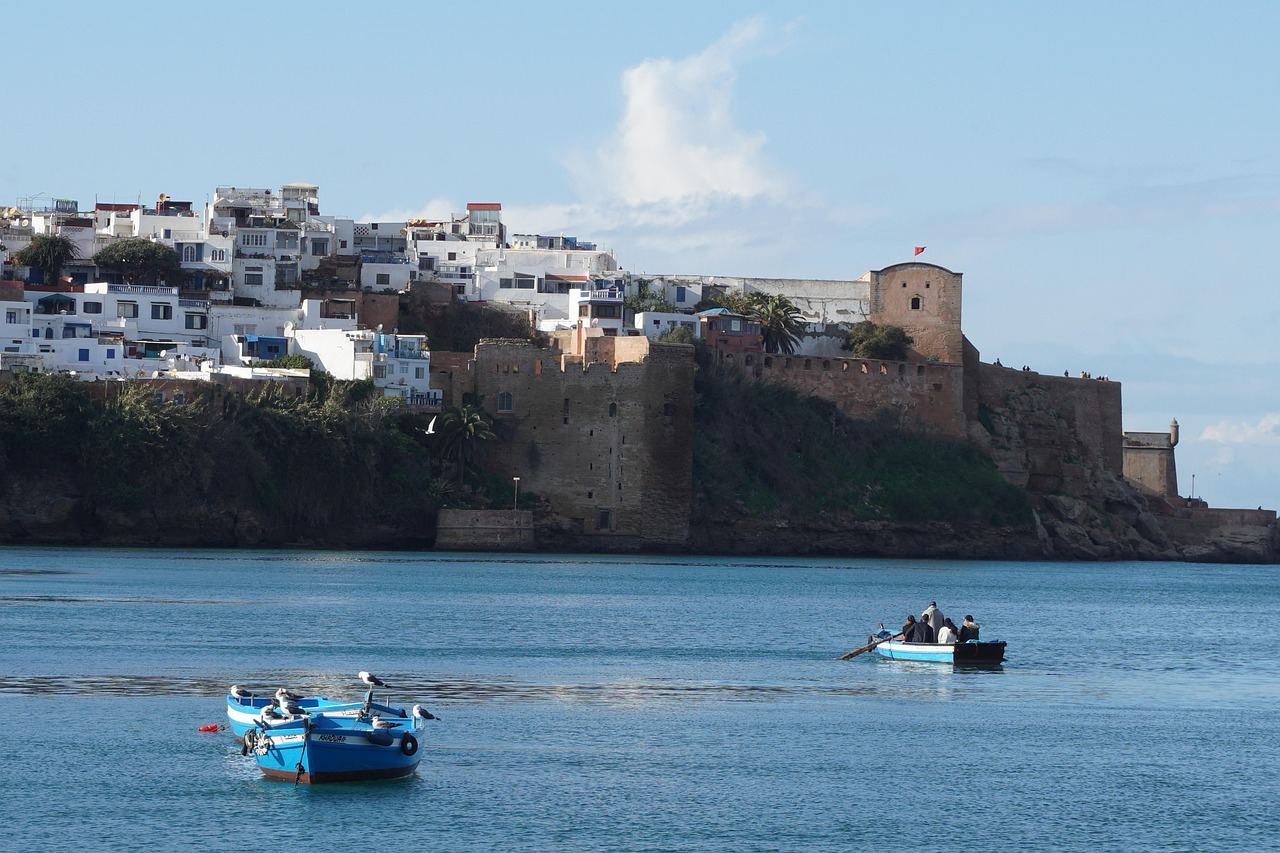
Morocco · Morocco's coastal capital blending serene historic quarters with modern cultural treasures.
Rabat offers a relaxed, sophisticated alternative to the bustling pace of Marrakech and Casablanca. Rich in UNESCO World Heritage sites, ocean breezes, and lush green spaces, it is perfect for culture lovers, history buffs, and slow travelers. Visitors will appreciate its walkable streets, well-preserved monuments, and authentic medina life.
The best months to visit are April to June and September to November. During these periods, temperatures are comfortably warm and outdoor sightseeing is ideal.
Blooming gardens, moderate tourist numbers, and pleasant walking weather.
Peak domestic travel, beach activity, and cultural events like the Mawazine music festival.
Fewer crowds, warm ocean waters, and excellent conditions for exploring ruins and medinas.
Low season with cheaper accommodations and quiet historical landmarks.
Wander through a 12th-century fortress featuring striking blue-and-white alleys, ocean viewpoints, and peaceful courtyards.
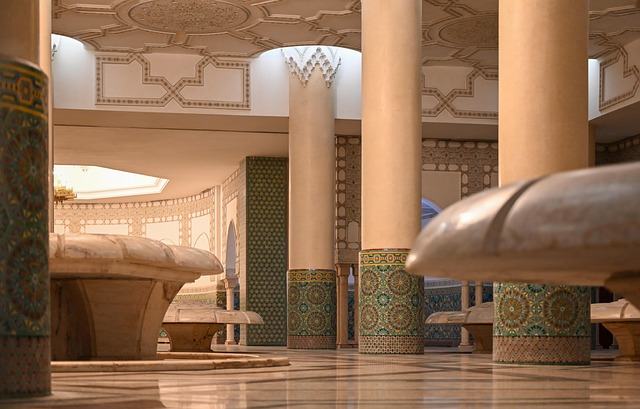
Marvel at the monumental unfinished minaret and the exquisitely carved marble tombs guarded by royal sentries.
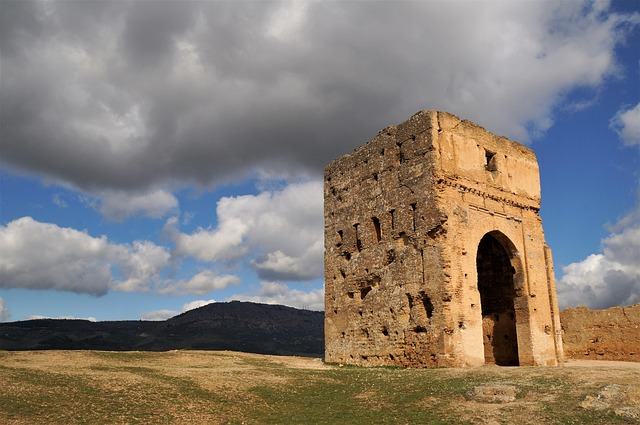
Explore ancient Roman ruins and medieval Islamic necropolises framed by lush gardens and nesting storks.
Discover Morocco's premier collection of modern art showcasing top Moroccan and international artists.
Stroll through orderly, relaxed market streets to shop for leather goods, carpets, and traditional spices without heavy pressure.
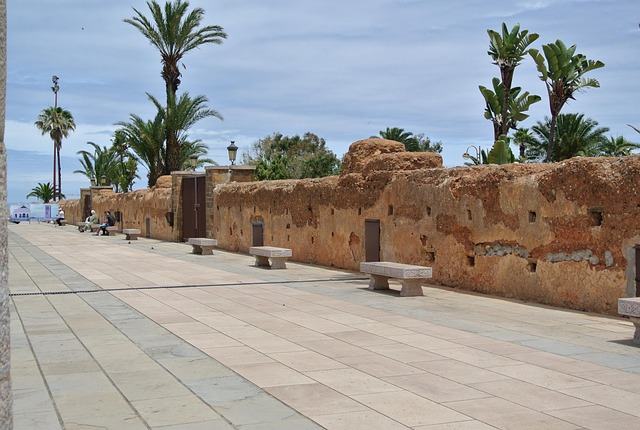
Relax in a tranquil oasis filled with flowering shrubs, citrus trees, and shaded pathways beneath the Kasbah walls.
Admire the striking futuristic architecture designed by Zaha Hadid along the scenic banks of the river.
Walk or ride a wooden ferry boat between Rabat and Salé while soaking in sunset views of the Atlantic.
Stay inside the walled historic center for atmospheric riads, traditional architecture, and steps-away access to souks.
See hotels in Medina →A clean, central district home to major landmarks, tree-lined boulevards, and easy tram access.
See hotels in Hassan →An upscale commercial neighborhood packed with trendy bistros, international shops, and the city's main modern train hub.
See hotels in Agdal →Perched high above the ocean, this historic district offers quiet coastal charm and breathtaking sunset panoramas.
See hotels in Kasbah des Oudayas area →Credit cards are standard in hotels and restaurants, but carry Moroccan Dirhams for medina vendors and blue Petit Taxis.
Tell us where you fly from and we'll find real prices.
A delicate, flaky pie traditionally layered with spiced poultry, toasted almonds, cinnamon, and powdered sugar.
Slow-cooked tender beef or lamb simmered in aromatic spices and garnished with sweet prunes and toasted almonds.
Fragrant green tea brewed with fresh spearmint leaves, served alongside curved pastries filled with almond paste and orange blossom.
A rich, comforting soup made with tomatoes, lentils, chickpeas, and warm spices, traditionally served with dates.
Fresh Atlantic sardines marinated in herb-and-garlic chermoula sauce and grilled over open charcoal.
Rabat-Salé Airport connects to downtown via regular express shuttle buses and fixed-fare airport taxis in about thirty minutes. Within the city, the modern two-line tramway network provides an easy way to travel between major landmarks, while blue Petit Taxis are inexpensive for point-to-point journeys. High-speed Al Boraq trains link the central Rabat-Agdal station to Casablanca and Tangier effortlessly.
Yes, Rabat is among the safest and most relaxed capitals in North Africa, with a strong security presence and friendly locals. Practicing standard travel common sense is still advisable, particularly in quiet streets late at night.
Two to three days are ideal to explore its major landmarks, art museums, and historical quarters without rushing. It also serves as a peaceful, connected base for taking train day trips across northern Morocco.
Rabat feels far calmer, cleaner, and less overwhelming, with far less aggressive selling in the medina. It combines seaside freshness and diplomatic refinement with genuine historical heritage.
Rabat is cosmopolitan and accustomed to visitors, but modest clothing covering shoulders and knees is respectful, particularly around religious monuments and old quarters. Beachwear should remain strictly at the beach.
Visitors cannot go inside the palace itself, but you can admire the monumental exterior gates and grand parade grounds from outside. Nearby sites like the Hassan Tower and Mohammed V Mausoleum are open to tourists.
AI-written guide, last updated 2026-10-08. Check opening times, prices and travel rules before you go. Photos: kabaretka, Regragui, Larsonb on Pixabay.