The Medina
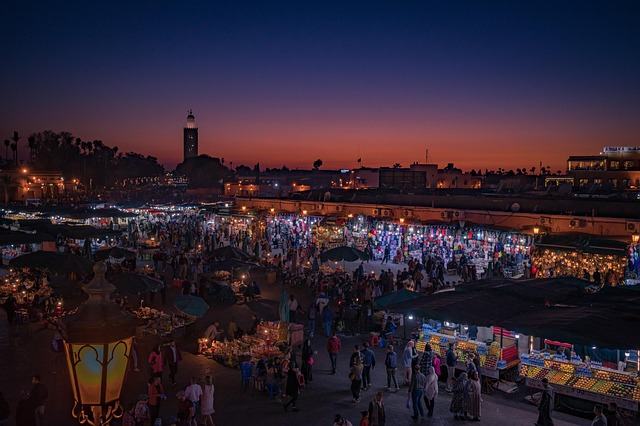
Best for: First-timersStay in restored traditional riads surrounded by lively markets, historic sights, and authentic Moroccan charm.
See hotels in The Medina →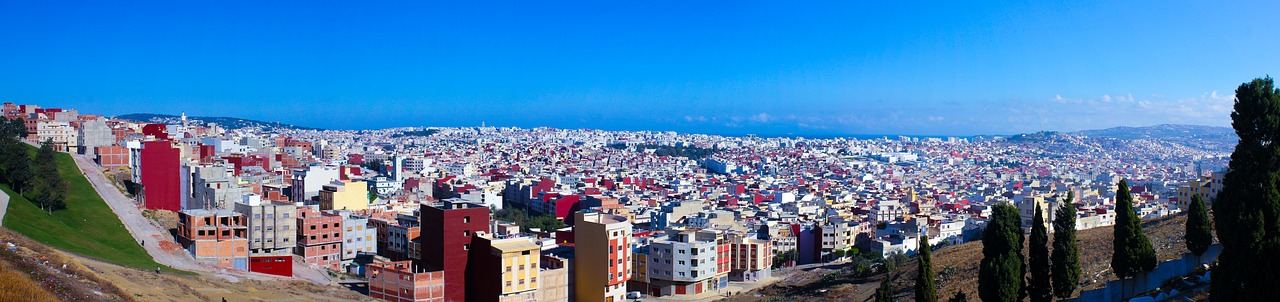
Morocco · Where the Mediterranean meets the Atlantic in a vibrant swirl of cultures.
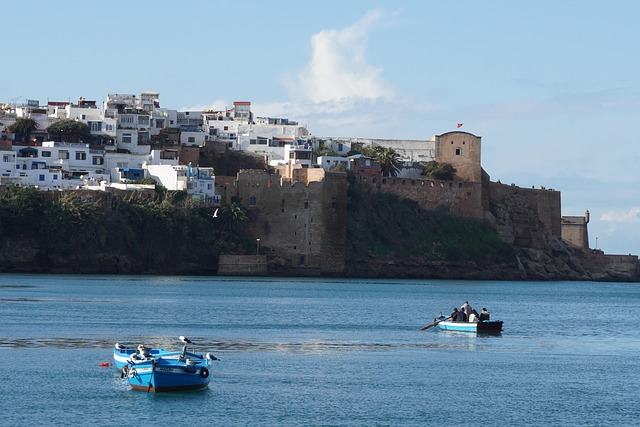
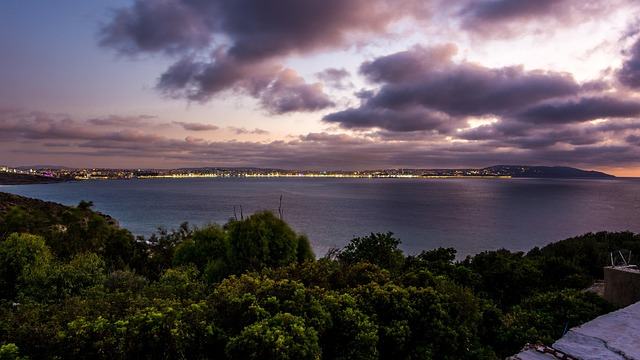
Perched on the northern tip of Morocco, Tangier is a legendary port city where European flair meets North African tradition. With its whitewashed medina, dramatic coastal viewpoints, and storied bohemian history, it is an ideal destination for culture seekers, history buffs, and coastal explorers.
The best time to visit is from April to June and September to November. During these months, the weather is pleasantly warm, skies are clear, and the summer crowds have dispersed.
Pleasant walking temperatures, blooming gardens, and manageable sightseeing crowds.
Peak beach season, lively nightlife along the corniche, and higher hotel rates.
Comfortable coastal breezes, fewer tourists, and excellent conditions for photography.
Lowest accommodation prices and quiet streets, though windy days and showers are common.
Set inside the former Sultan's palace, this museum showcases regional archaeology, art, and quiet Andalusian-style courtyards.
Lose yourself in a maze of winding alleys lined with spice vendors, textile stalls, and whitewashed residential homes.
Visit the striking 19th-century lighthouse marking the dramatic meeting point of the Atlantic Ocean and the Mediterranean Sea.
Explore legendary sea caves famed for an opening toward the ocean shaped like the map of Africa.
Sip mint tea on terraced cliffside steps overlooking the Strait of Gibraltar, a historic favorite of writers and rock stars.
Wander through the first American public property outside the United States, brimming with historical artifacts and art.
Relax in the lively central plaza linking old and new Tangier, and stop by the art-deco Cinema Rif for coffee and indie cinema.
Stroll the modern beachside promenade for refreshing ocean breezes, café terraces, and views across the bay.
Stay in restored traditional riads surrounded by lively markets, historic sights, and authentic Moroccan charm.
See hotels in The Medina →Situated atop the hill, this quiet quarter offers elevated panoramic sea views, boutique guesthouses, and quick access to historic monuments.
See hotels in The Kasbah →Built during the French protectorate, this district features wide boulevards, colonial architecture, banks, and contemporary restaurants.
See hotels in Ville Nouvelle →A modern district with resort-style hotels, direct beach access, and easy walking paths along the bay.
See hotels in Malabata & Waterfront →Carry cash in Moroccan Dirhams because most small medina shops and taxis do not accept credit cards.
Tell us where you fly from and we'll find real prices.
A hearty, velvety fava bean soup drizzled with olive oil, cumin, and chili, traditionally eaten for breakfast.
Locally caught fish or prawns stewed with spiced chermoula, bell peppers, tomatoes, and preserved lemon.
A fragrant brew of green gunpowder tea, fresh spearmint, and sugar, served poured from a height.
A crisp filo pastry pie balancing savory spiced poultry or seafood with toasted almonds, cinnamon, and sugar.
A popular Tangier street food made from baked chickpea flour cake served hot with salt and cumin.
From Tangier Ibn Battouta Airport, licensed grand taxis operate on fixed rates to the city center. Within the city, small light-blue petit taxis are metered and budget-friendly for moving between neighborhoods. The medina and kasbah are entirely pedestrian, so walking is the best way to explore historic quarters.
Tangier is generally safe with a strong tourist police presence. As in any busy port city, keep an eye on belongings in crowded markets and politely decline persistent unsolicited street guides.
Yes, high-speed passenger ferries run regularly between Tarifa in Spain and Tangier Ville Port, taking about one hour. However, staying at least two nights lets you experience the city's charm beyond the daytime ferry crowds.
Moroccan Arabic (Darija) is the primary native tongue, while French and Spanish are widely understood and spoken. English is also increasingly spoken in hotels, restaurants, and tourism-focused shops.
Tipping is customary and appreciated in Morocco. Leaving around 10 percent at sit-down restaurants and rounding up the fare in taxis is standard practice.
Major hotels, larger restaurants, and supermarkets accept international credit cards. For medina shopping, taxis, small cafés, and street vendors, cash is strictly necessary.
Get real flight prices, hotels and a day-by-day plan made for you.
Start planningAI-written guide, last updated 2026-10-08. Check opening times, prices and travel rules before you go. Photos: mokhtarakel1, chrisbeez, Konevi on Pixabay.