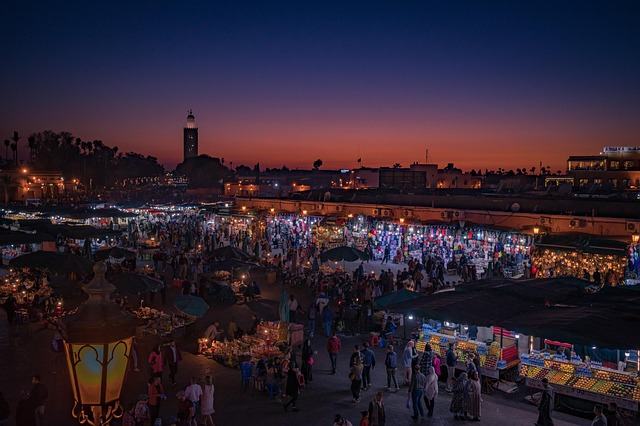
Marrakech
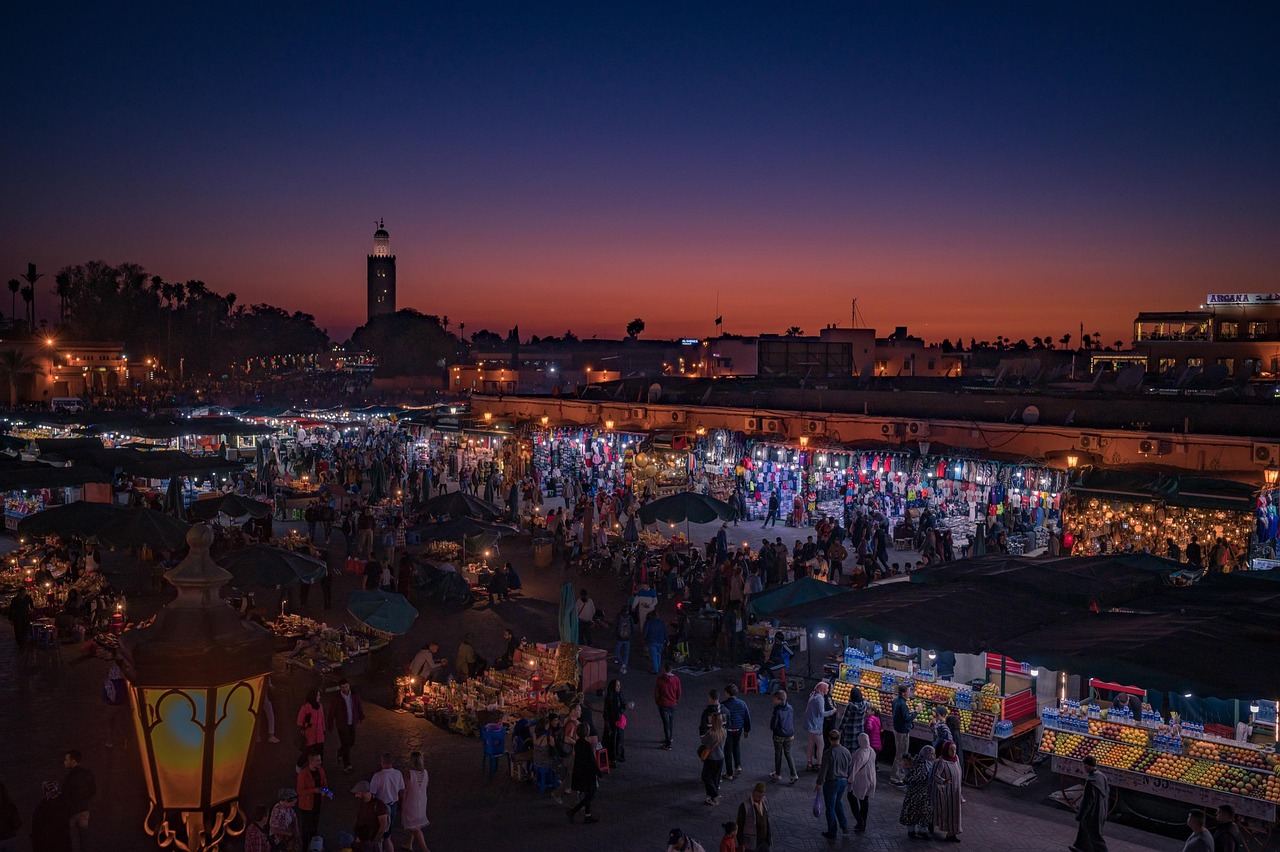
A sensory whirlwind famed for its lively Jemaa el-Fnaa square, intricate Bahia Palace, and fragrant souks.
Africa · A vibrant gateway to sensory wonders, historic medinas, and desert dunes.
Morocco enchants visitors with its labyrinthine imperial cities, sweeping Sahara dunes, and rich blend of Berber and Arab traditions. From bustling souks scented with cumin to serene coastal surf towns, every corner offers an intoxicating feast for the senses. Adventurous explorers, culture enthusiasts, and food lovers will all find unforgettable experiences here.
The best time to visit is during spring (March to May) or autumn (September to November) when daytime temperatures are pleasant across both cities and deserts.
Ideal for desert tours and Atlas hiking; moderate crowds and lively spring markets.
Low season in desert cities like Marrakech, but peak beach season along the breezy Atlantic coast.
Prime sightseeing weather nationwide with bustling cultural festivals and steady hotel demand.
Fewer tourists in city medinas, snow skiing in the High Atlas, and crisp nighttime stargazing.
A sensory whirlwind famed for its lively Jemaa el-Fnaa square, intricate Bahia Palace, and fragrant souks.
Home to the world's oldest university and a sprawling UNESCO medina with traditional open-air leather tanneries.
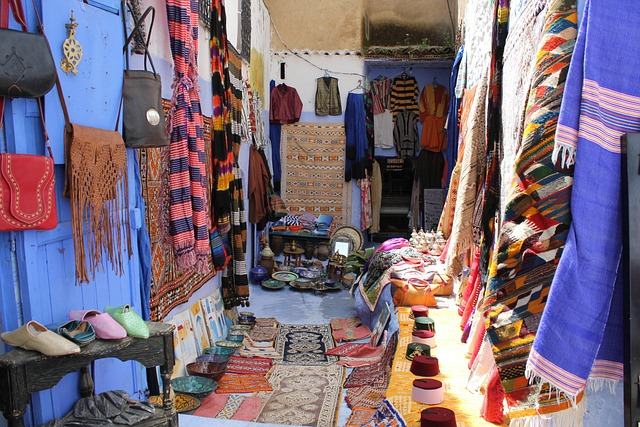
A serene mountain village renowned for picturesque blue-washed buildings and peaceful cobblestone alleys.
Towering golden Sahara sand dunes offering unforgettable sunset camel treks and night sky stargazing from desert camps.
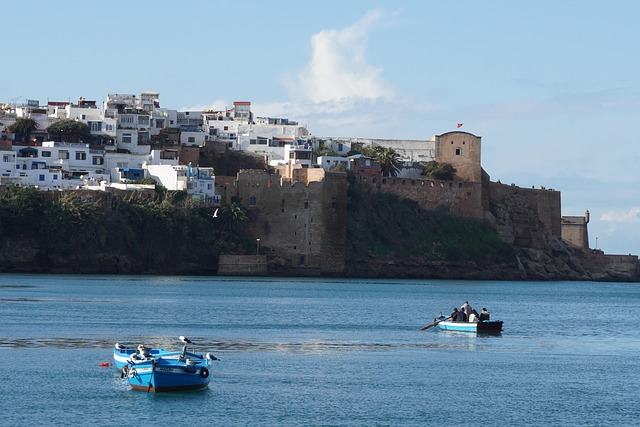
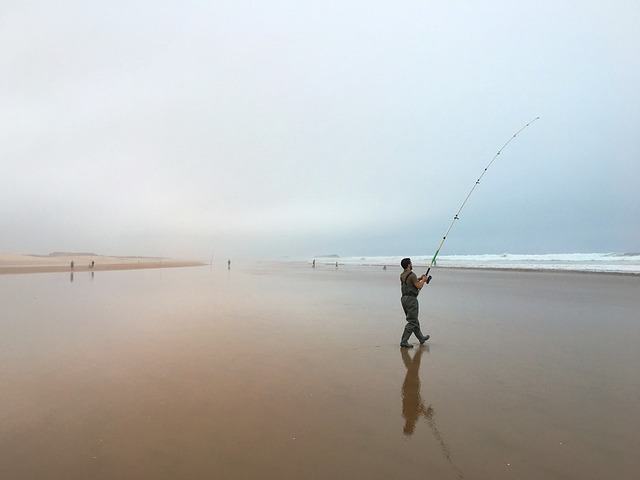
A relaxed coastal haven featuring Atlantic sea breezes, fresh seafood stalls, and 18th-century sea ramparts.
Spectacular red limestone canyons carved by rivers, dotted with lush palm groves and ancient earthen kasbahs.
Travel seamlessly between Morocco's royal cities utilizing the Al Boraq high-speed train and conventional rail line.
Plan this routeJourney from the Strait of Gibraltar to the blue town and ancient Fes via comfortable coach buses and trains.
Plan this routeTraverse high mountain passes and desert oases by hiring a reliable 4x4 with a private driver or renting a car.
Plan this routeKeep small denomination cash bills handy for medina shopping, public restrooms, and tipping.
A rich, slow-cooked stew of tender meat, poultry, or vegetables simmered inside a conical clay pot.
Steamed semolina grains traditionally served on Fridays, piled high with tender vegetables, chickpeas, and braised meat.
A savory-sweet spiced poultry pie encased in paper-thin pastry and dusted with cinnamon and powdered sugar.
A velvety tomato, lentil, and chickpea soup flavored with cilantro and warm spices, traditionally served with dates.
Sweet green gunpowder tea brewed with abundant fresh spearmint leaves, poured theatrically from high above.
Travel between major northern cities like Tangier, Rabat, and Casablanca is fast and modern aboard the Al Boraq high-speed train. For mountain towns, coastal spots, and southern gateways, reliable CTM and Supratours coach buses offer comfortable, air-conditioned service. To reach remote desert dunes and Atlas canyons, booking a guided tour or hiring a private driver is the most efficient option.
Morocco is generally safe, though solo female travelers may experience occasional street harassment and staring. Dressing modestly, wearing sunglasses to deflect eye contact, and staying in well-reviewed central riads helps ensure a smoother trip.
Yes, cash is necessary for everyday purchases throughout Morocco. While upscale hotels and modern restaurants take credit cards, small riads, medina stalls, and taxis deal solely in local dirhams.
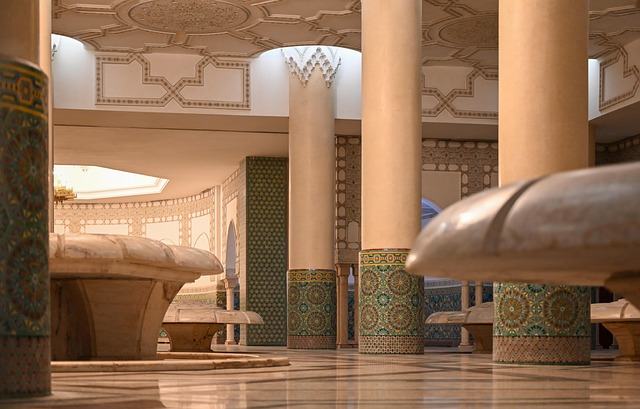
Most functioning mosques across Morocco are closed to non-Muslim visitors out of religious tradition. The notable exception is the monumental Hassan II Mosque in Casablanca, which welcomes tourists on scheduled ticketed tours.
Bring breathable, light layers for daytime heat, along with a warm fleece jacket for chilly desert nights. Sunglasses, closed shoes, and a light cotton scarf to protect your face from blowing sand are essential.
Use distinct landmarks like minarets and fortified city gates to orient yourself, and note your riad's nearest gate. If you lose your bearings, step inside an established shop and ask the shopkeeper for guidance rather than street touts.

Get flights, hotels and a day-by-day plan across cities, made for you.
Start planningAI-written guide, last updated 2026-10-08. Check visa rules, prices and opening times before you go. Photos: A_Different_Perspective, Pascal-Laurent on Pixabay.