Medina
Best for: First-timersThe walled historic center puts you steps away from top sights, souks, and atmospheric courtyard riads.
See hotels in Medina →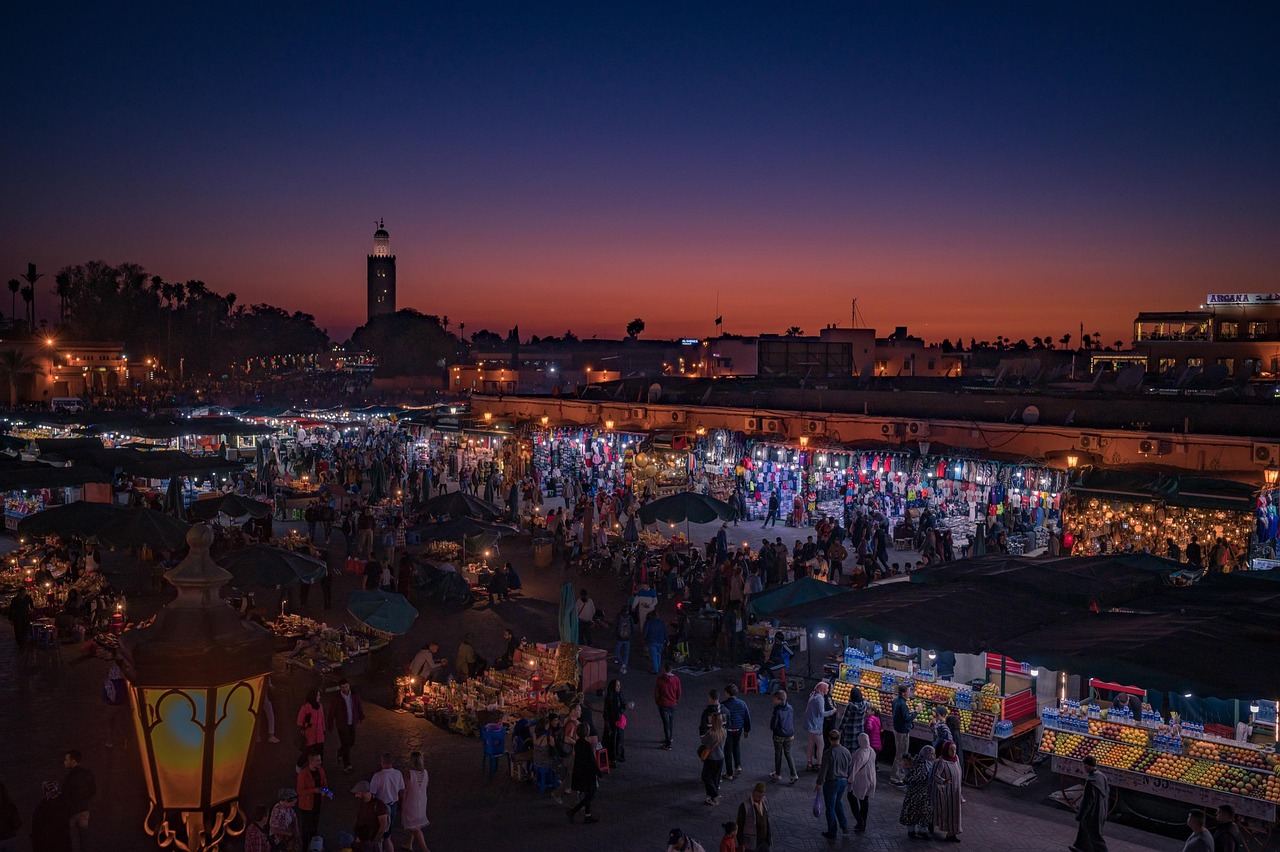
Morocco · A sensory journey through ancient medinas, lush gardens, and vibrant desert colors.
Marrakech blends rich imperial history with pulsating street life set against the snow-capped High Atlas Mountains. It is a dream destination for culture lovers, foodies, and design enthusiasts drawn to intricate riad architecture and bustling artisan alleys.
The ideal months to visit are March to May and September to November. During these shoulder seasons, daytime temperatures are pleasantly warm and perfect for sightseeing.
Peak tourist season with lush gardens, lively squares, and higher hotel rates.
Lowest crowds and budget-friendly accommodation, but midday heat keeps activities indoors.
Comfortable weather brings moderate crowd levels and ideal conditions for desert day trips.
Fewer daytime tourists and clear views of the Atlas peaks, though riads can feel chilly after dark.
The city's main square, transformed nightly into an open-air theater with food stalls, storytellers, and musicians.
An electric-blue botanical garden restored by Yves Saint Laurent, featuring exotic cacti and peaceful shaded paths.
A nineteenth-century palace boasting stunning zellige tilework, painted cedarwood ceilings, and tranquil courtyards.
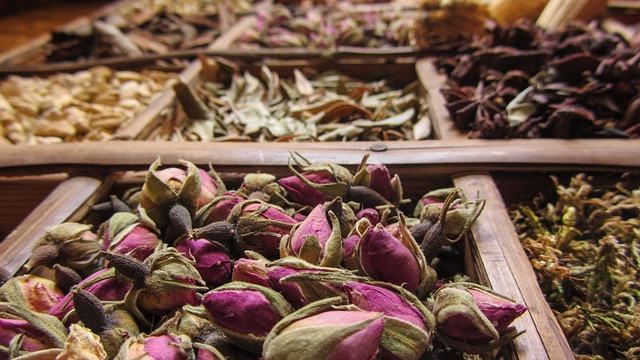
A maze of covered market stalls selling handcrafted leather goods, woven rugs, spices, and brass lamps.
A historic Islamic college renowned for its intricate stucco carvings, marble columns, and serene central pool.
An ornate mausoleum complex showcasing lavish Italian marble and gilded plasterwork dating back to the Saadian dynasty.
An authentic Moroccan steam bath ritual featuring black soap cleansing, eucalyptus steam, and exfoliating body scrubs.
A modern museum dedicated to the fashion designer's creative legacy and his deep artistic bond with Marrakech.
The walled historic center puts you steps away from top sights, souks, and atmospheric courtyard riads.
See hotels in Medina →The chic French new town offers tree-lined avenues, trendy cocktail bars, modern art galleries, and mid-range hotels.
See hotels in Gueliz →An upscale residential district packed with five-star international resorts, quiet gardens, and high-end restaurants.
See hotels in Hivernage →Perched at the southern end of the Medina, this historic district offers peaceful streets, food markets, and easy palace access.
See hotels in Kasbah →Moroccan dirham in cash is essential, as small souk stalls, casual cafes, and taxis rarely take cards.
Tell us where you fly from and we'll find real prices.
A slow-cooked stew of meat, vegetables, and aromatic spices simmered inside a conical clay pot.
A sweet and savory layered phyllo pie stuffed with spiced poultry or pigeon and dusted with sugar and cinnamon.
A classic Marrakech specialty of beef or lamb slow-baked in an earthenware urn beneath the embers of a hammam furnace.
A hearty, fragrant soup made with tomatoes, lentils, chickpeas, and fresh cilantro, often served with dates.
Sweet green tea infused with abundant fresh spearmint leaves, ceremoniously poured from high above the glass.
Marrakech Menara Airport is about 15 minutes away from downtown; use the airport express bus or arrange an official riad transfer. Within the historic Medina, walking is the only practical option, while small ochre-colored petits taxis are cheap and convenient for trips to Gueliz and Hivernage.
Yes, Marrakech is generally very safe with low rates of violent crime. Visitors should remain mindful of pickpockets in crowded souks and politely ignore aggressive street touts.
Pack lightweight, breathable fabrics that cover your shoulders, chest, and knees to respect local norms. Sturdy, comfortable walking shoes are essential for dealing with uneven cobblestone streets.
Tap water is generally treated, but it has different mineral levels that can upset sensitive traveler stomachs. It is best to stick to filtered or bottled water during your trip.
Three to four full days allow you to explore the main palaces, wander the souks, and experience a hammam without feeling rushed. A longer stay gives you time for day trips into the Atlas Mountains or the Agafay Desert.
Moroccan Arabic (Darija) and Berber are the local languages, but French is widely used in hospitality and commerce. Basic English is spoken by most hotel staff and younger vendors in tourist areas.
Get real flight prices, hotels and a day-by-day plan made for you.
Start planningAI-written guide, last updated 2026-10-08. Check opening times, prices and travel rules before you go. Photos: A_Different_Perspective, Pascal-Laurent, bir on Pixabay.