Planning an exciting vacation does not require an enormous bank account or giving up a comfortable night of sleep. With deliberate preparation and realistic habits, you can explore iconic cities and scenic landscapes while keeping your spending under control. Here are 15 practical, field-tested tips to help you stretch your travel funds further this year.
Choose Smarter Destinations and Timing
Where and when you go determines the bulk of your trip expenses before you even pack your bags. Popular hubs like Western Europe or North America naturally command higher prices for basic meals and lodging. Directing your attention toward destinations where everyday living costs are lower will immediately stretch every dollar or euro you have saved.
Timing your trip carefully amplifies these savings. Traveling in shoulder seasons like late spring or mid-autumn provides milder weather and fewer crowds along with reduced room rates. Keep in mind that seasonal pricing varies annually, so checking flight patterns early gives you a clearer baseline.
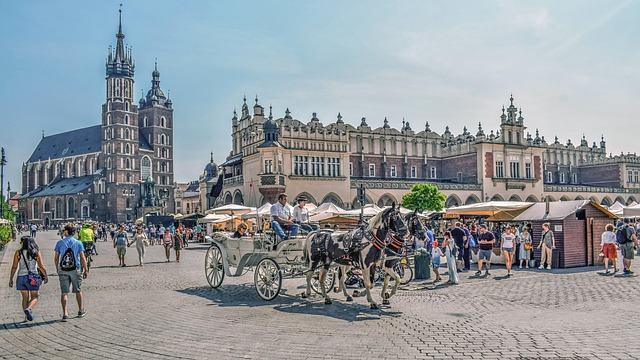
- Tip 1: Pick high-value cities like Budapest or Krakow, where dining, transit, and historic sites remain affordable.
- Tip 2: Visit just outside peak summer months to secure discounted lodging and escape peak airfares.
- Tip 3: Use calendar comparison tools to let flight prices determine your departure dates rather than locking in rigid days.
Slash Your Transportation Expenses
Getting from place to place often consumes the largest share of a budget, but standard habits can quickly drain your wallet. Aggressive flight comparisons, packing light to bypass carrier luggage fees, and embracing overland options will reliably reduce your initial outlay.
Once you arrive, resist the urge to rely on taxis or rideshare apps. Major metropolises feature robust underground networks and regional trains that cost a fraction of private transfers and often bypass gridlock completely.
- Tip 4: Travel carry-on only to avoid checked bag fees on budget carriers and maintain easy mobility.
- Tip 5: Rely on local subways, trams, and buses instead of private cabs, particularly from airport terminals.
- Tip 6: Take daytime regional trains or long-distance coaches between cities rather than paying for multiple short-haul flights.
Rethink Accommodation Without Losing Comfort
Lodging does not have to mean luxurious five-star resorts or crowded dormitory bunk beds. The middle ground has expanded rapidly, with private rooms in boutique hostels, guesthouses, and simple apartments offering clean, pleasant stays at modest rates.
Location plays a huge role in accommodation pricing. Properties situated directly in historic city centers charge substantial premiums for proximity. Staying in lively residential neighborhoods connected by a quick subway ride often yields lower rates, quieter nights, and authentic local flavor.
- Tip 7: Book private rooms in quality hostels to get personal space while retaining communal amenities like kitchens.
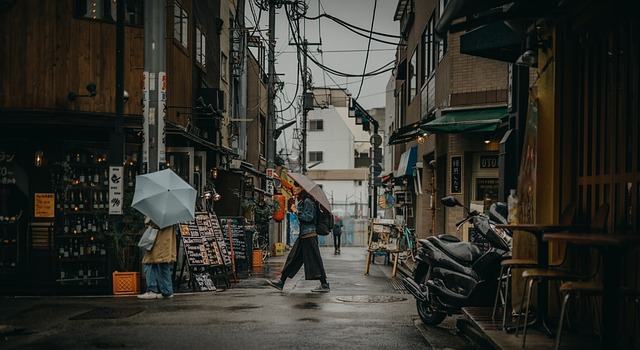
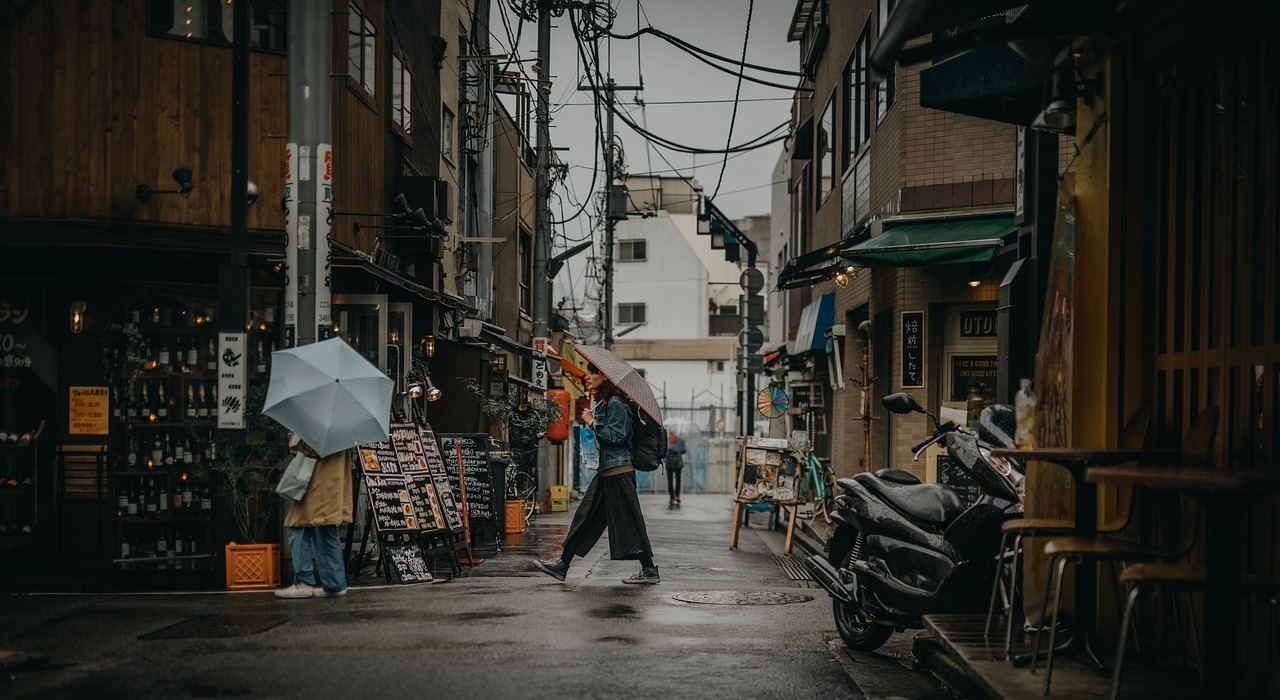
- Tip 8: Base yourself in neighborhoods slightly outside the core tourist perimeter, such as outer districts in Lisbon or Tokyo.
- Tip 9: Contact independent guesthouses directly after checking aggregator listings to ask if direct rates are cheaper.
Eat Exceptionally Well on a Modest Daily Allowance
Dining out three times a day in tourist-heavy plazas is one of the fastest ways to exhaust your funds. Fortunately, experiencing authentic local culinary culture rarely requires spending large sums at high-end establishments.
Street vendors, covered market halls, and local neighborhood canteens routinely serve some of the freshest, most traditional dishes available. Blending self-prepared breakfasts with authentic street fare leaves plenty of room for an occasional special dinner.
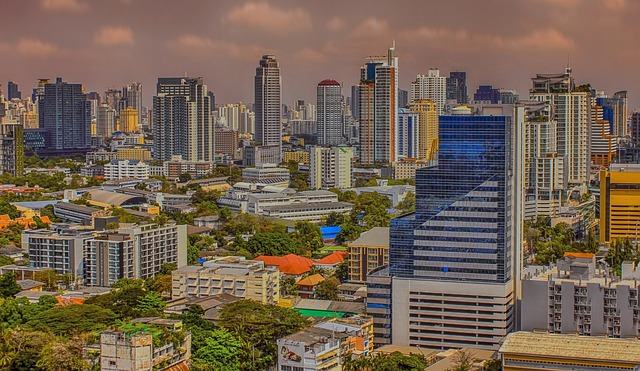
- Tip 10: Seek out vibrant neighborhood markets and street food stalls in culinary capitals like Bangkok or Mexico City.
- Tip 11: Order fixed-price weekday lunch specials, which often provide multi-course meals for significantly less than evening menus.
- Tip 12: Shop at local grocery stores for breakfast essentials and picnic supplies to cut down on incidental cafe costs.
Sightsee Intelligently and Avoid Costly Traps
Many of the best travel memories come from wandering historic streets, relaxing in city parks, or exploring open markets, all of which cost nothing. Paying admission fees for every single landmark on a checklist rarely guarantees a better trip.
When you do want to visit major cultural institutions, research their admission policies ahead of time. Many national galleries and historic monuments host free entry days or discount tickets for afternoon entry, though rules and operating hours change throughout the year.
- Tip 13: Join tip-based walking tours on your first morning to orient yourself and ask local guides for budget recommendations.
- Tip 14: Check official museum calendars for monthly free-admission days or discounted evening entry blocks.
- Tip 15: Carry a reusable water bottle and compact snacks to avoid buying marked-up refreshments around heavily trafficked tourist sites.
FAQ
How far in advance should I start booking a budget trip?
For international flights, monitoring prices three to five months ahead generally provides a good balance between cost and flexibility. Booking accommodation two to three months out helps you secure well-reviewed budget rooms before they sell out.
Is it safe to stay outside the city center to save money?
Yes, many residential areas in major cities are safe, vibrant, and well-served by public transportation. Always check recent traveler reviews and choose properties near well-lit transit stations to ensure smooth transit back in the evening.
Should I purchase a city tourist pass to save money on attractions?
City passes are only cost-effective if you plan to visit multiple participating sights every day. List the places you genuinely care about seeing and compare their individual admission fees against the pass price before purchasing.
How can I avoid hidden bank and exchange fees abroad?
Use debit and credit cards that waive foreign transaction fees, and always select the local currency option when paying at card terminals. Avoid currency exchange booths at airports and train stations, as their rates and commission structures are typically unfavorable.
Plan it with TripPilot
Tell our AI where you want to go and get flights, hotels and a day-by-day plan.
Start planningWritten with AI help and checked for usefulness. Prices, opening times and travel rules change, so check before you go. Photos: thepoorphotographer on Pixabay.