Baixa and Chiado
Best for: First-timersLocated in the vibrant center, this area is flat, walkable, and filled with grand plazas, boutiques, and transport links.
See hotels in Baixa and Chiado →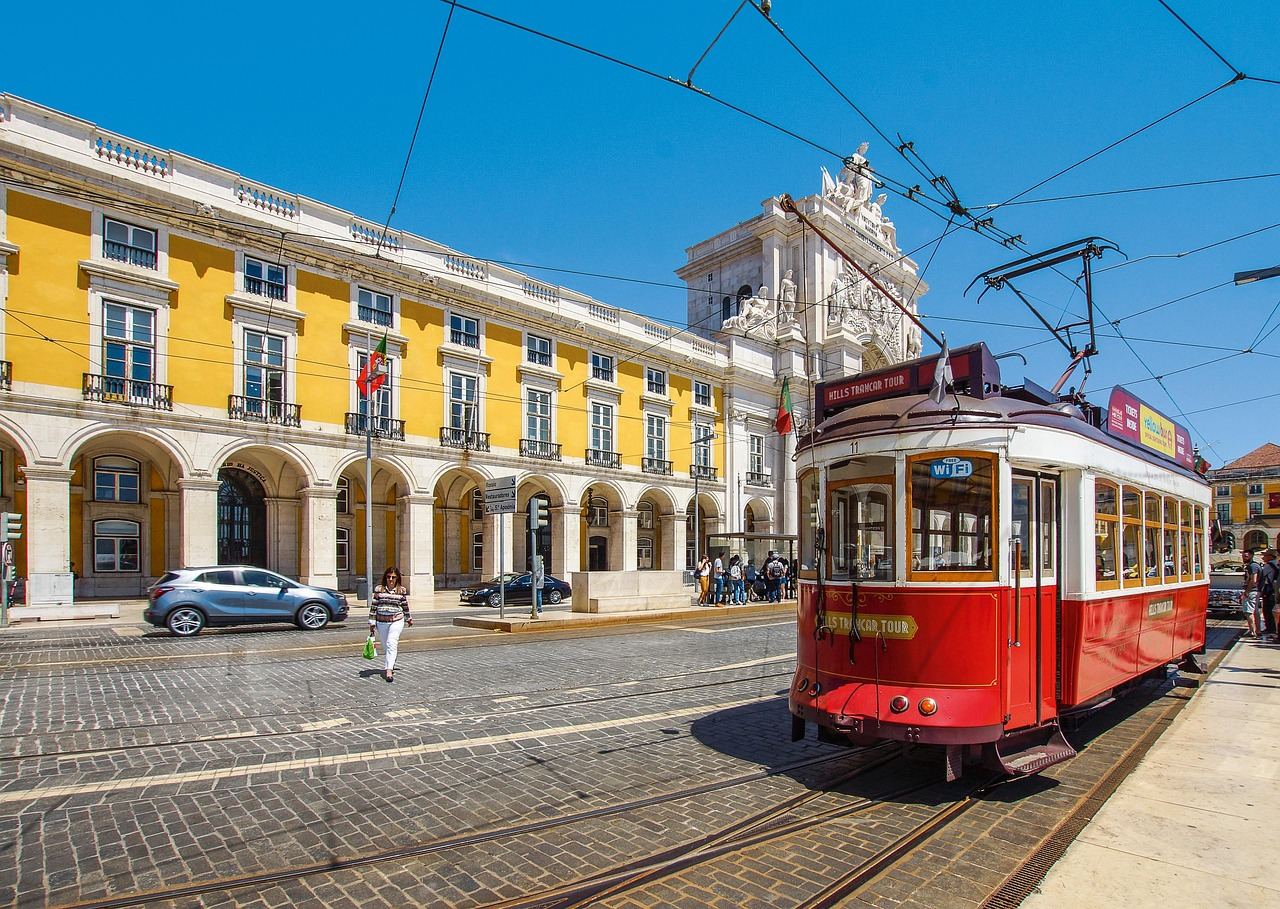
Portugal · Sun-drenched hills, vibrant tiles, and unforgettable Atlantic charm.
Lisbon charms visitors with its pastel-colored buildings, sweeping hilltop viewpoints, and rich maritime heritage. It is a dream destination for foodies, history lovers, and travelers seeking relaxed coastal European vibes. With its thriving cultural scene and welcoming locals, Lisbon offers an effortlessly memorable escape.
The ideal time to visit Lisbon is from May to June or September to October. These months bring pleasant sunny days, warm temperatures, and fewer crowds than midsummer.
Blooming jacaranda trees, moderate crowd levels, and reasonable accommodation rates.
Peak tourist season, vibrant street festivals in June, and busy beaches.
Pleasant sea temperatures, harvest season wines, and thinning crowds.
Lowest hotel prices, quiet streets, and crisp festive light displays.
Admire stunning Manueline architecture in this grand UNESCO World Heritage complex located in Belém.
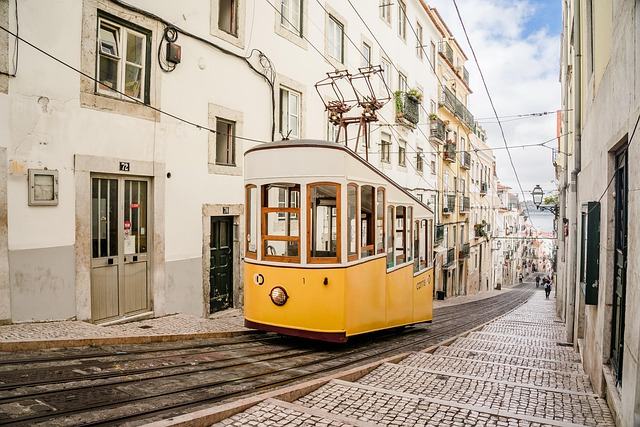
Ride this historic yellow tram as it rattles through the narrow and steep streets of Alfama.
Explore ancient ramparts and take in sweeping panoramic views across the city and the Tagus River.
Wander through Lisbon's oldest district, famous for labyrinthine cobblestone alleys and haunting Fado melodies.
Sample gourmet bites and traditional Portuguese dishes crafted by top local chefs under one roof.
Visit this iconic fortified 16th-century tower perched on the northern bank of the Tagus River.
Relax at a scenic terrace framed by bougainvillea, classic blue azulejo tiles, and river vistas.
Discover an extraordinary private collection spanning ancient Egyptian relics, classical European masters, and serene gardens.
Located in the vibrant center, this area is flat, walkable, and filled with grand plazas, boutiques, and transport links.
See hotels in Baixa and Chiado →Lisbon's oldest quarter features winding alleys, traditional Fado taverns, and historic charm around every corner.
See hotels in Alfama →A trendy hilltop hub brimming with bohemian bars, artisan boutiques, hip cafes, and leafy garden squares.
See hotels in Bairro Alto and Príncipe Real →A tree-lined boulevard home to upscale hotels, designer fashion stores, and peaceful shaded sidewalks.
See hotels in Avenida da Liberdade →Buy a rechargeable Viva Viagem or Navegante transport card to save significantly on metro, bus, and tram fares.
Tell us where you fly from and we'll find real prices.
Crisp puff pastry tart filled with rich, creamy egg custard and dusted with cinnamon.
Savory shredded salted cod cooked with thinly sliced potatoes, onions, and scrambled eggs.
A beloved Portuguese sandwich made with marinated pork cutlets served inside a crusty bread roll.
Tender roasted octopus drizzled generously with olive oil, garlic, and served with crushed baked potatoes.
A sweet and warming traditional sour cherry liqueur often served in tiny chocolate cups.
The Lisbon Metro connects Humberto Delgado Airport directly to the city center via the red line in under thirty minutes. Within the city, use the integrated metro, historic tram network, and suburban trains, or use affordable ride-hailing apps for steep hills. Wear sturdy, slip-resistant walking shoes to comfortably navigate Lisbon's polished cobblestones and steep inclines.
Yes, Lisbon is considered one of the safest capital cities in Europe. Violent crime is rare, though solo travelers should stay alert against pickpocketing in crowded tourist spots.
Three to four days is ideal to experience Lisbon's main highlights and neighborhoods at a comfortable pace. An extra day allows for popular day trips to Sintra or Cascais.
No, English is widely spoken in hotels, restaurants, shops, and tourist areas. Learning a few polite phrases like 'obrigado' or 'olá' is always appreciated by locals.
Yes, most modern shops and dining spots accept contactless and major cards. However, having small euro notes handy is useful for traditional markets, street vendors, and small cafes.
Lisbon is very walkable within specific neighborhoods, but the city is built on seven steep hills. Plan to mix scenic walking with metro rides, trams, or ride-hailing to avoid fatigue.
AI-written guide, last updated 2026-10-08. Check opening times, prices and travel rules before you go. Photos: franky1st, Leonhard_Niederwimmer on Pixabay.