Centro Storico
Best for: First-timersPuts you steps away from the Pantheon, Piazza Navona, and legendary historic dining spots.
See hotels in Centro Storico →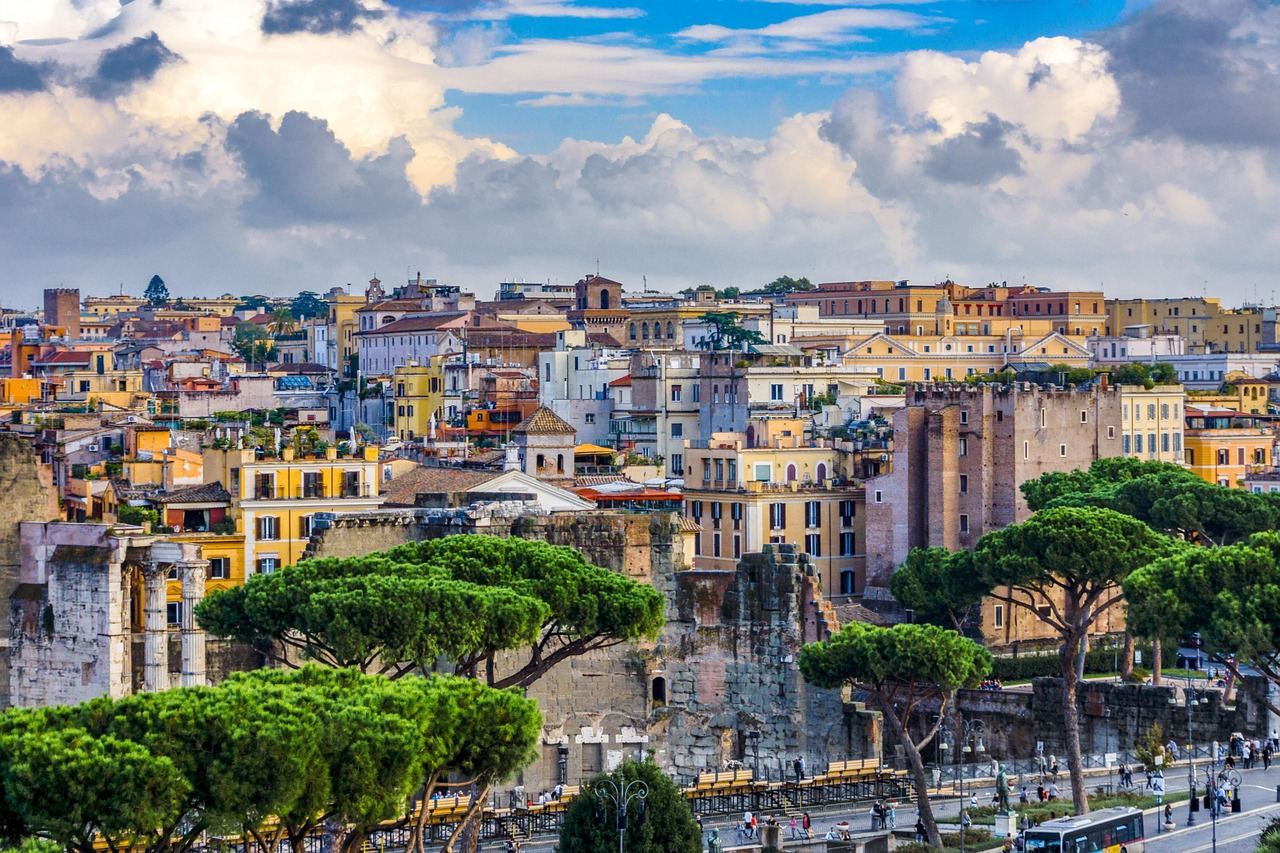
Italy · The Eternal City where ancient wonders meet lively modern street life
Rome is an open-air museum filled with millennia of breathtaking history, glorious art, and world-class culinary traditions. It is perfect for history buffs, food lovers, and romantics seeking an unforgettable European adventure.
The best months to visit are April to May and September to October, offering pleasant temperatures and manageable crowds. Spring and early autumn provide ideal walking weather for exploring outdoor ruins.
Blooming gardens, moderate tourist crowds, and pleasant sightseeing weather.
Peak crowds, intense heat waves, and many local shop closures in mid-August.
Comfortable walking weather, vibrant food festivals, and harvest season flavors.
Lower hotel rates, fewer tourists, and festive holiday lights across historic piazzas.
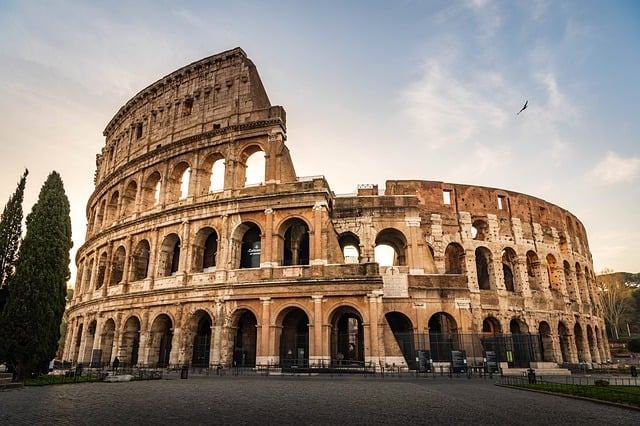
Step inside the world's most famous amphitheater and stroll through the civic heart of the ancient Roman empire.
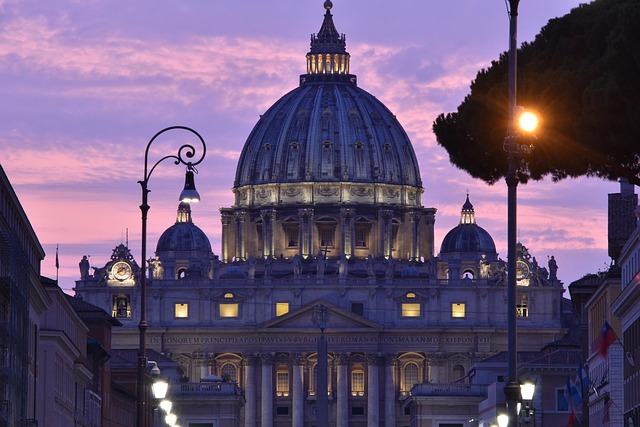
Admire Michelangelo's ceiling frescoes in the Sistine Chapel and gaze up at the monumental dome of Christendom's grandest church.
Marvel at the remarkably preserved ancient temple with its awe-inspiring unreinforced concrete dome and central oculus.
Toss a coin over your shoulder into this Baroque masterpiece to ensure your return visit to the Eternal City.
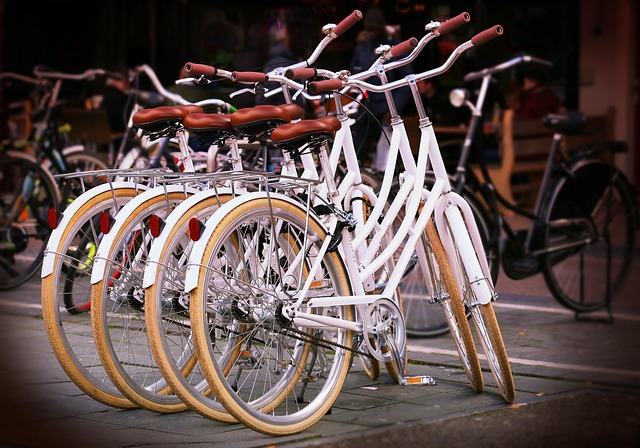
View masterworks by Bernini and Caravaggio before renting a bike in the sprawling hilltop park.
Wander through charming cobblestone alleys draped in ivy, stopping at bustling wine bars and family-run trattorias.
Enjoy lively street performers and Bernini's Fountain of the Four Rivers while sipping an espresso outdoors.
Sample authentic Roman street food like trapizzino and fresh porchetta alongside local shoppers.
Puts you steps away from the Pantheon, Piazza Navona, and legendary historic dining spots.
See hotels in Centro Storico →A bohemian district across the river famous for vibrant evenings, artisan shops, and traditional eateries.
See hotels in Trastevere →A hip village-like neighborhood near the Colosseum with independent boutiques, chic wine bars, and quiet lanes.
See hotels in Monti →An elegant residential neighborhood near the Vatican filled with broad avenues, great shopping, and peaceful cafes.
See hotels in Prati →Always buy attraction tickets well in advance online to secure spots and avoid steep last-minute reseller markups.
Tell us where you fly from and we'll find real prices.
Rich pasta made with guanciale, fresh egg yolks, Pecorino Romano cheese, and freshly cracked black pepper.
A deceptive minimalist classic consisting simply of pasta tossed with melted Pecorino cheese and black pepper.
Crispy fried rice balls filled with savory tomato sauce and an oozing center of melted mozzarella.
Crispy Jewish-style fried whole artichokes seasoned lightly with salt, native to Rome's historic Jewish Ghetto.
A sweet, soft brioche bun sliced open and generously filled with freshly whipped cream.
From Fiumicino Airport, take the Leonardo Express train for a direct 32-minute ride to Roma Termini central station. The city center is best explored on foot, supported by Rome's metro lines, buses, and modern tram networks. Contactless bank cards work directly at metro gates and on public buses for easy tap-and-go travel.
Most restaurants, shops, and taxis accept cards and contactless payments seamlessly. However, having a small amount of euros in cash is helpful for tiny purchases like coffee, tips, or street stalls.
Rome is generally very safe, but pickpocketing is common in busy transit hubs and around packed tourist spots like the Colosseum and Termini. Keep your valuables zipped up and stay aware of your surroundings.
Yes, the tap water in Rome is fresh, crisp, and completely safe to drink. You can fill your water bottle freely from the iconic street fountains called nasoni throughout the city.
Three to four days is ideal for visiting major sites like the Vatican, Colosseum, and historic piazzas without rushing. Extra days allow you to explore hidden neighborhoods, museums, and take day trips to places like Tivoli.
Tipping is not mandatory or expected in Italy since service fees or cover charges (coperto) are often included. Leaving a couple of euros for great table service is appreciated but entirely optional.
AI-written guide, last updated 2026-10-08. Check opening times, prices and travel rules before you go. Photos: Kookay, MARTINOPHUC, JerOme82 on Pixabay.