Rome
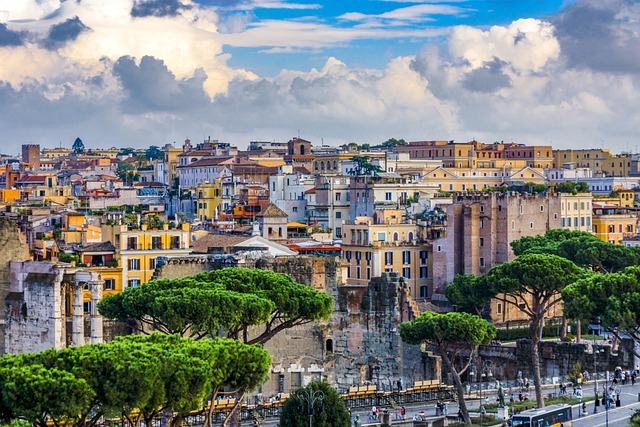
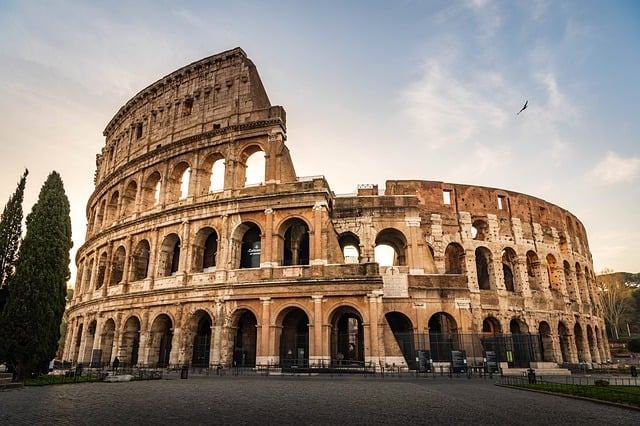
Home to ancient icons like the Colosseum and the Roman Forum alongside the Vatican. It feels like a living museum where world history surrounds you at every step.
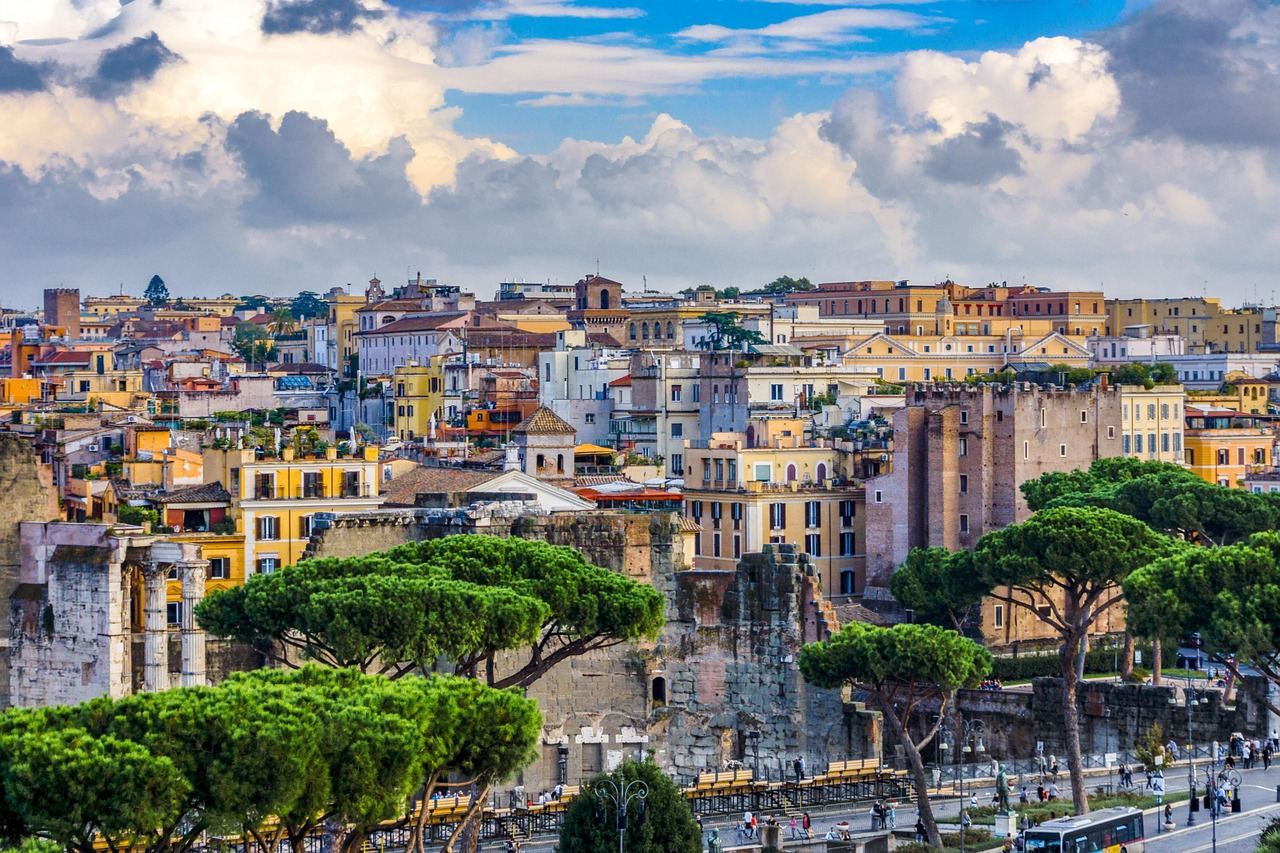
Europe · Ancient wonders, sun-drenched coastlines, and unforgettable culinary adventures await.
Italy combines thousands of years of world-shaping history with breathtaking landscapes and celebrated culinary traditions. Whether you are wandering through Renaissance art capitals or relaxing in sun-soaked coastal villages, the country offers sheer romance and cultural depth. It is an ideal destination for history buffs, food lovers, and curious adventurers alike.
April to May and September to October offer pleasant temperatures and manageable crowds. These shoulder seasons provide the perfect balance for city sightseeing and countryside explorations.
Blooming landscapes, moderate crowds, and ideal conditions for city walking tours.
Peak tourist season, higher lodging rates, busy beaches, and vibrant open-air evening events.
Grape and olive harvest festivals, thinned tourist crowds, and pleasant sightseeing weather.
Low season in cities with cheaper accommodation, festive Christmas markets, and alpine skiing.
Home to ancient icons like the Colosseum and the Roman Forum alongside the Vatican. It feels like a living museum where world history surrounds you at every step.
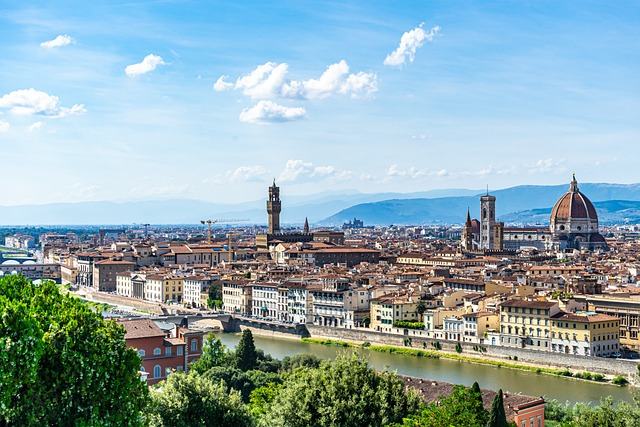
The cradle of the Renaissance features renowned galleries like the Uffizi alongside the magnificent Duomo. Its historic center is packed with artisan workshops and vibrant piazzas.
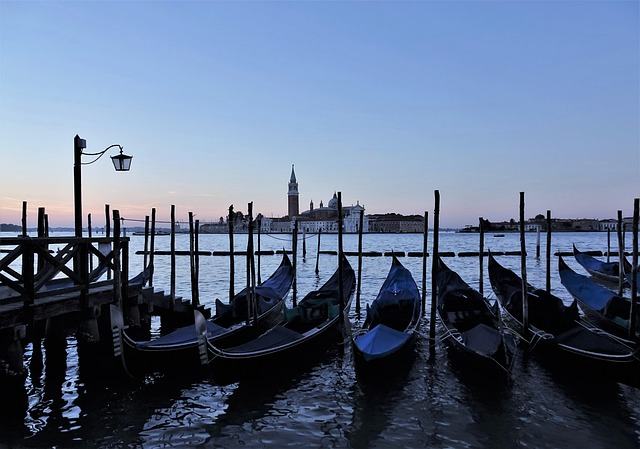
Famous for its labyrinth of romantic canals, historic gondolas, and ornate Venetian Gothic architecture. Wandering the car-free bridges offers an enchanting step back in time.
A dramatic cliffside coastline studded with pastel-hued villages such as Positano and Ravello. Visitors love the panoramic sea views, lemon groves, and scenic coastal trails.
A picturesque countryside of rolling hills, cypress trees, vineyards, and medieval walled towns like Siena. It is the premier destination for relaxed farm stays and world-class wine tasting.
A majestic northern mountain range featuring jagged limestone peaks and turquoise alpine lakes. It offers premier outdoor adventures from summer hiking to winter skiing.
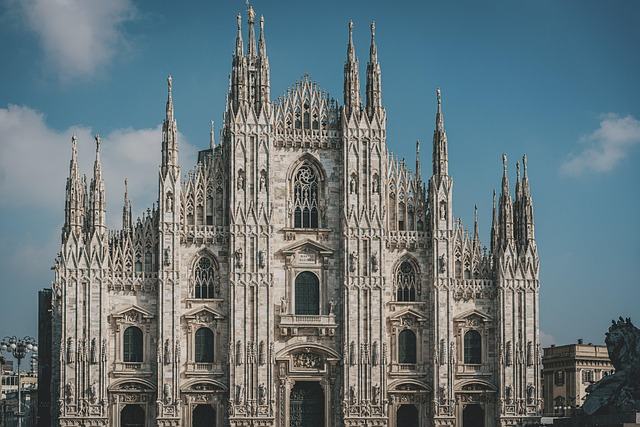
Travel seamlessly between three iconic art cities aboard high-speed trains in just a few hours. This classic route showcases imperial monuments, Renaissance masterpieces, and iconic waterways.
Plan this routeCombine metropolitan elegance with northern natural beauty using a mix of regional trains and a rental car. Enjoy high-fashion shopping, peaceful lake cruises, and dramatic mountain drives.
Plan this routeExplore vibrant culinary traditions and ancient ruins before catching scenic local ferries along the cliffs. It offers an immersive mix of rich archaeology and scenic Mediterranean relaxation.
Plan this routeBook high-speed train tickets and popular museum passes well in advance to secure the best rates.
Soft, airy wood-fired dough topped simply with San Marzano tomatoes, fresh mozzarella, and aromatic basil.
A rich Roman classic crafted with crispy guanciale, fresh egg yolks, Pecorino Romano, and cracked pepper.
Dense and silky artisanal Italian ice cream prepared fresh using natural ingredients like bronte pistachio.
Creamy slow-cooked Carnaroli rice richly infused with golden saffron strands, marrow broth, and Parmesan.
A refreshing pre-dinner cocktail featuring Aperol, sparkling Prosecco, and a splash of soda water.
High-speed trains operated by Trenitalia and Italo link major metropolitan centers quickly, comfortably, and efficiently. Regional train networks and coastal ferries make reaching small towns and islands straightforward without a vehicle. Renting a car is best reserved for exploring rural regions like Tuscany or the Dolomites.
Tipping is not customary because servers are paid regular wages, and bills often include a cover charge called coperto. Leaving a euro or rounding up the bill is a polite way to reward exceptional service. You never need to calculate high percentage tips like in North America.
Traveling by rail is remarkably easy, fast, and punctual thanks to the extensive high-speed rail lines. Modern trains drop you directly into downtown city stations, bypassing airport security hassles and suburban commutes. Advance booking online offers the best seat availability and prices.
Tap water is completely safe to drink across Italian cities and rural towns. You will also spot historic public drinking fountains in squares that spout fresh, ice-cold mountain water. Bringing a refillable water bottle is a convenient and cost-effective choice.
Contactless credit and debit cards are standard for almost all transactions in stores, hotels, and restaurants. However, having a few euro coins and small bills on hand is useful for street markets, public restrooms, and espresso bars. Check with your home bank regarding international transaction fees.
Pack comfortable, sturdy walking shoes designed for cobblestone streets, along with light, breathable layers. Keep a light scarf handy to cover your shoulders or knees before stepping inside religious landmarks. A pair of sunglasses and sun hat are essentials for warmer months.
Get flights, hotels and a day-by-day plan across cities, made for you.
Start planningAI-written guide, last updated 2026-10-08. Check visa rules, prices and opening times before you go. Photos: Kookay, MARTINOPHUC on Pixabay.