Lisbon
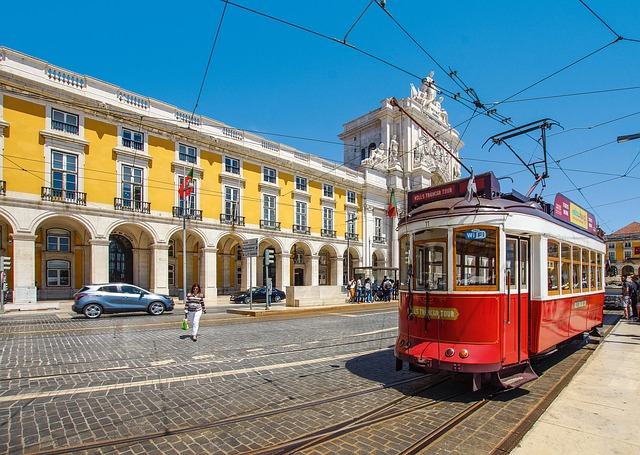
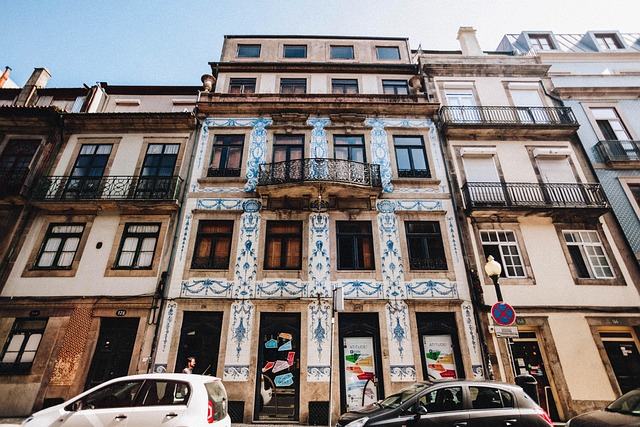
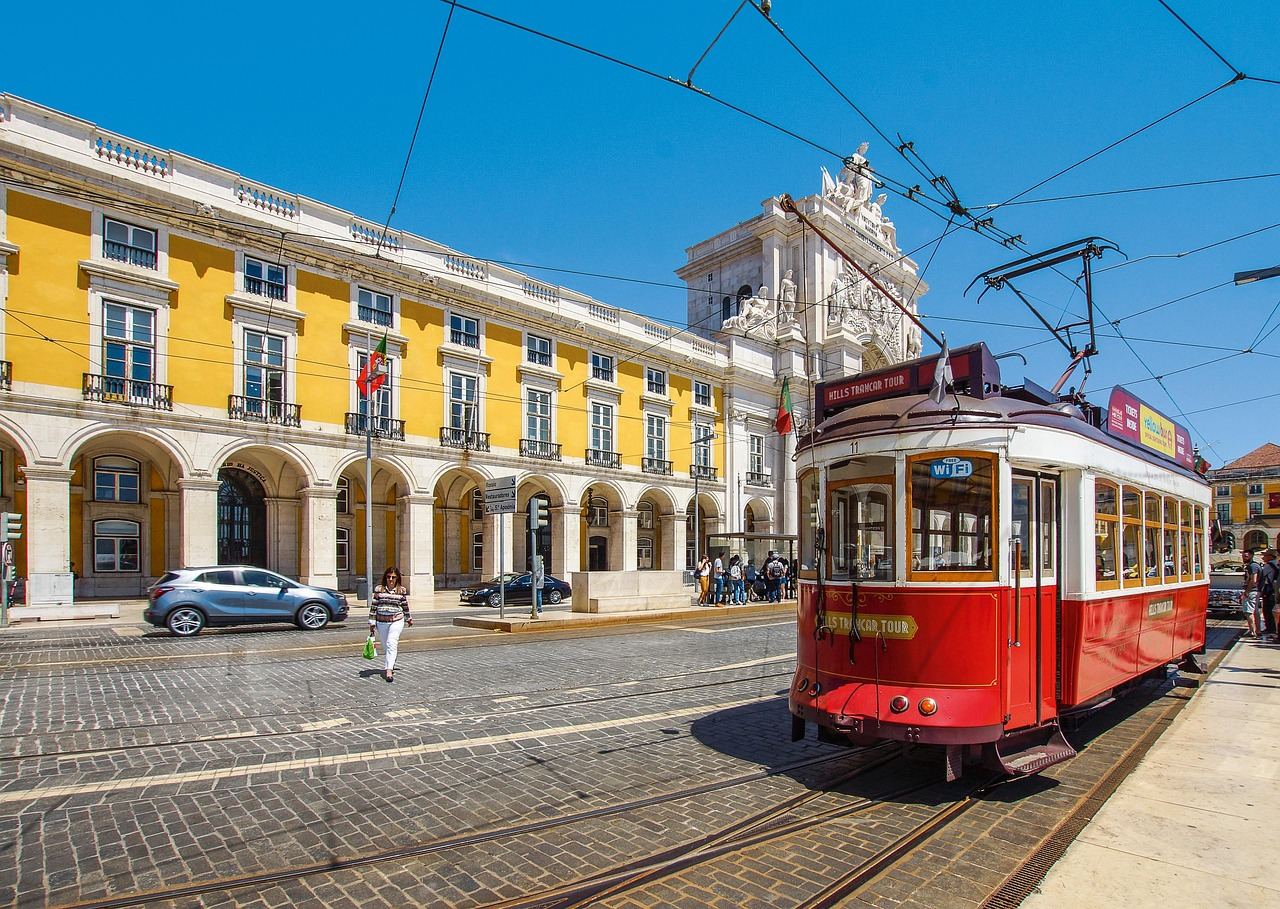
Portugal's sunlit capital is famous for iconic yellow trams, tiled facades, scenic hilltop viewpoints, and soulful Fado music.
Europe · Sun-drenched coasts, historic charm, and irresistible pastries await in Portugal.
Portugal charms travelers with its dramatic Atlantic coastline, sun-soaked medieval towns, and warm hospitality. From world-class surf breaks to ancient wine cellars, it offers rich cultural depth in a compact and accessible destination. Foodies, history buffs, and coastal road-trippers will feel instantly at home here.
May to June and September to October offer pleasant temperatures, sunny skies, and manageable crowds. These shoulder months allow you to explore both vibrant cities and coastal beaches comfortably.
Wildflowers bloom, city walking is comfortable, and hotel rates remain reasonable before summer peaks.
Peak tourist crowds, vibrant street festivals like Santo António, and high accommodation rates.
Douro Valley grape harvest, warm ocean waters, and steadily thinning tourist numbers.
Lowest prices of the year, quiet historical sights, and occasional Atlantic rains.
Portugal's sunlit capital is famous for iconic yellow trams, tiled facades, scenic hilltop viewpoints, and soulful Fado music.
Set along the Douro River, this northern city charms visitors with Port wine cellars, iron bridges, and historic architecture.
A fairytale town tucked into misty hills, featuring colorful romanticist palaces, exotic gardens, and medieval castle walls.
One of the world's oldest wine regions, defined by terraced hillside vineyards descending into a winding river.
A dramatic southern coastal region celebrated for golden limestone cliffs, turquoise sea caves, and world-class surfing beaches.
The historic heart of the Alentejo region, packed with whitewashed streets, a Roman temple, and a medieval Bone Chapel.
Connect Lisbon and Porto aboard the high-speed Alfa Pendular train, adding Sintra as an easy day trip via commuter rail.
Plan this routeRide express trains southward through university towns to Lisbon, then continue by rail or rental car to the southern coast.
Plan this routePick up a rental car to navigate Douro vineyard roads, sweep across the Alentejo plains, and finish on southern beaches.
Plan this routeOrdering the lunchtime daily special (prato do dia) gives you an authentic multicourse meal for very little money.
A crisp puff pastry cup filled with creamy egg custard and dusted with cinnamon.
Shredded salted cod sautéed with finely chopped onions, crispy matchstick potatoes, and scrambled eggs.
Porto's hearty sandwich packed with meats, draped in melted cheese, and bathed in spiced beer sauce.
Tender roasted octopus drenched in warm garlic olive oil and served with smashed potatoes.
A rich, sweet fortified wine produced exclusively in the terraced Douro Valley.
The Comboios de Portugal rail network connects Lisbon, Porto, and Faro swiftly via high-speed trains. Express buses run by Rede Expressos efficiently link regional destinations and smaller inland towns. Renting a car is best saved for rural areas like the Alentejo or remote coastal coves.
Most urban businesses take credit and debit cards, but cash remains necessary for small bakeries, flea markets, and rural cafes. Keeping twenty euros on hand ensures you are never caught unprepared.
Yes, municipal tap water throughout mainland Portugal complies with rigorous safety standards and is completely drinkable. Bringing a reusable bottle will help you stay hydrated while cutting plastic waste.
One week provides enough time to see the essential highlights of Lisbon, Sintra, and Porto at a relaxed pace. Adding the Douro Valley or Algarve coast requires ten to fourteen days.
Portugal remains one of the best value-for-money destinations in Western Europe. Public transport, regional wine, museum tickets, and traditional dining are notably affordable.
Visa-exempt non-EU travelers will need to secure an online ETIAS authorization before flying into the country. Major tourist landmarks also increasingly require online advance timeslot bookings.
Get flights, hotels and a day-by-day plan across cities, made for you.
Start planningAI-written guide, last updated 2026-10-08. Check visa rules, prices and opening times before you go. Photos: franky1st on Pixabay.