Morocco is a land of dramatic variety, where rugged mountain passes meet sprawling golden dunes and historic oceanfront ramparts. Because the climate shifts dramatically between the Atlantic coast, the interior plains, and the high desert, timing your visit carefully makes all the difference. Here is your complete month-by-month guide to choosing the ideal season for your Moroccan holiday in 2026.
Spring: March to May
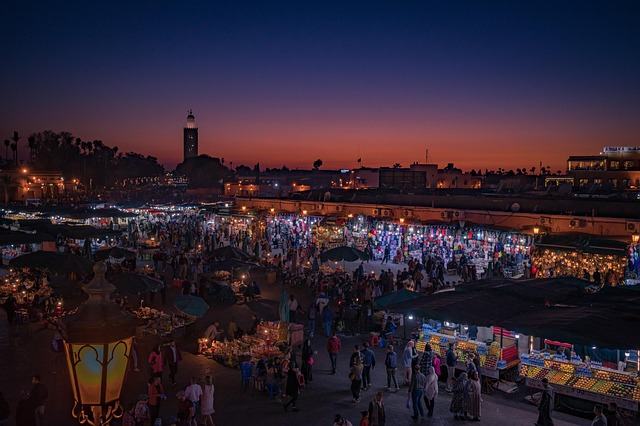
Spring is widely considered the finest season to experience Morocco. Temperatures are comfortably warm throughout the day, while countryside hills and mountain valleys burst into lush green life and blooming wildflowers. It is a fantastic window for wandering through the open-air courtyards of Marrakech or navigating the intricate alleys of Fez.
Desert excursions are especially enjoyable during these months because daytime heat remains manageable. Even so, pack light layers for cooler mornings and breezy evenings, especially if you plan to visit the High Atlas. Late March and April bring more travelers, so reserving riads and desert camps well in advance is wise.
- March: Mild temperatures return, though occasional rain showers sweep across the northern coast.
- April: Peak spring beauty with comfortable highs averaging in the mid-70s Fahrenheit (around 24°C).
- May: Warmer days bring early summer energy, ideal for coastal walks and mountain excursions before peak heat.
Summer: June to August
Summer in inland Morocco can be intensely hot, with temperatures frequently surpassing 100°F (38°C) in desert gateways and central plains. Travelers who visit Marrakech or Fez in July and August should adopt the local rhythm by exploring early in the morning and resting in shaded courtyards during peak afternoon hours. Staying hydrated and booking accommodation with reliable air conditioning or a plunge pool is essential.
If you travel during summer, consider redirecting your itinerary toward the ocean or the mountains. Coastal cities enjoy refreshing breezes off the Atlantic and Mediterranean, making them popular refuges for international travelers and local families alike. Trekking in the High Atlas offers another scenic way to escape the low-altitude heat.
- June: Early summer warmth settles in, offering pleasant beach days in places like Tangier and Agadir.
- July: The hottest month of the year inland, making midday sightseeing tiring without shade.
- August: High season along the coast, so anticipate busier beaches and higher seaside lodging rates.
Autumn: September to November
Autumn offers a welcome reprieve from the blistering summer heat and stands alongside spring as one of the best times to tour the entire kingdom. From mid-September onward, afternoon temperatures across imperial cities and desert routes drop to comfortable levels. The Atlantic waters remain warm enough for swimming through early October.
This is an extraordinary window for desert glamping in Erg Chebbi or Erg Chigaga, as nights are crisp rather than freezing and days are sun-drenched and clear. You will also encounter vibrant market life in the medinas as merchants showcase fresh dates, seasonal nuts, and handmade textiles ahead of the winter season.
- September: Summer heat begins to soften inland, while the coastline retains great swimming conditions.
- October: Outstanding travel weather across all regions with pleasant days and clear skies.
- November: Crisp autumn air settles across the north, bringing occasional showers and cooler desert nights.
Winter: December to February
Winter provides a tranquil, crowd-free atmosphere across Morocco's imperial cities and coastal regions. Coastal spots like Casablanca and Rabat experience mild, sometimes rainy days, while southern hubs like Agadir remain relatively sunny and calm. If you dislike extreme heat and crowded monuments, winter sightseeing offers great value.
Keep in mind that winter nights in the desert and high-elevation towns can drop near freezing. Traditional riads can feel drafty because they are built to keep heat out, so check that your lodging provides reliable heating. Snow transforms the peaks of the High Atlas, creating striking mountain vistas and even small-scale skiing opportunities.
- December: Crisp, sunny afternoons in southern cities paired with chilly evenings and festive holiday travelers.
- January: The coldest month of the year across the country, requiring warm coats, especially after dusk.
- February: Early hints of spring appear with blossoming almond trees in the Anti-Atlas valleys.
Navigating Ramadan in 2026
Ramadan follows the lunar calendar and is expected to fall roughly between mid-February and late March in 2026, though exact dates are confirmed by local moon sightings. During this holy month, practicing Muslims fast from sunrise to sunset. Traveling in Morocco during Ramadan offers a deeply cultural look at community traditions and evening feasts.
Daytime rhythms slow down considerably, and many smaller restaurants, cafes, and markets operate on limited schedules until the evening meal known as iftar. Monument opening hours may also shift, so plan major sightseeing for the morning hours. Out of courtesy, visitors should avoid eating, drinking, or smoking openly on public streets during fasting daylight hours.
- Confirm museum and monument opening hours locally, as they often shorten during fasting hours.
- Expect lively street life and family celebrations after sundown as communities gather to break their fast.
- Major hotel restaurants and tourist-oriented establishments typically continue serving non-fasting visitors during the day.
Best Months for the Sahara and the Atlas Mountains
If your dream trip centers on riding camels across the Erg Chebbi dunes or summiting Mount Toubkal, your timing should be tailored specifically to elevation. The desert is best visited from October to April when the midday sun is bearable and the sky is deep blue. During mid-winter, however, desert nights require heavy wool blankets and thermal layers.
For mountain trekking, late spring from May to June and early autumn from September to October provide the most reliable trail conditions without snowpack or stifling valleys. Always book reputable local mountain guides, as sudden weather shifts can bring rain or rapid temperature drops at high elevations.
- Best overall desert months: October, November, March, and April.
- Best mountain trekking months: May through June and September through October.
- Avoid July and August for desert treks due to dangerous heat levels and limited shade.
FAQ
What is the single best month to visit Morocco?
April and October are generally considered the two best months for a Morocco trip. Both months offer pleasantly warm daytime temperatures, cool evenings, and great conditions across the cities, mountains, and desert.
Is Morocco worth visiting during Ramadan in 2026?
Yes, visiting during Ramadan offers a wonderful cultural experience, particularly the joyous atmosphere in city squares after sunset. However, you should expect shorter daytime opening hours and plan your lunch stops in advance.
Does it get very cold in Morocco during the winter?
While daytime temperatures along the coast remain mild, inland regions, mountains, and the Sahara Desert drop sharply at night. Freezing temperatures are common in desert camps and Atlas villages from December through February, so warm layers are necessary.
When is the best time to visit Morocco for a beach vacation?
June through September is the premier window for beachgoers along the Atlantic and Mediterranean coasts. Cities like Agadir and Tangier offer sunny skies and refreshing ocean breezes that keep coastal temperatures far more temperate than the interior plains.
Plan it with TripPilot
Tell our AI where you want to go and get flights, hotels and a day-by-day plan.
Start planningWritten with AI help and checked for usefulness. Prices, opening times and travel rules change, so check before you go. Photos: CampingAourir on Pixabay.