Marrakech is an intoxicating blend of vibrant colors, centuries of history, and sensory wonders that can sweep any first-time traveler off their feet. With three full days, you have just enough time to admire majestic palaces, wander bustling souks, and enjoy quiet moments in tranquil courtyards. This practical guide helps you pace your journey so you experience the city's magic without feeling overwhelmed.
Day 1: Historic Treasures and the Heart of the Medina
Begin your first morning admiring the iconic minaret of Koutoubia Mosque before entering the historic Medina. From there, make your way to the nineteenth-century Bahia Palace to marvel at intricate tilework, painted cedar ceilings, and leafy courtyards. Continue a short walk south to the Saadian Tombs, a quiet sixteenth-century mausoleum complex known for its delicate Italian Carrara marble carvings.
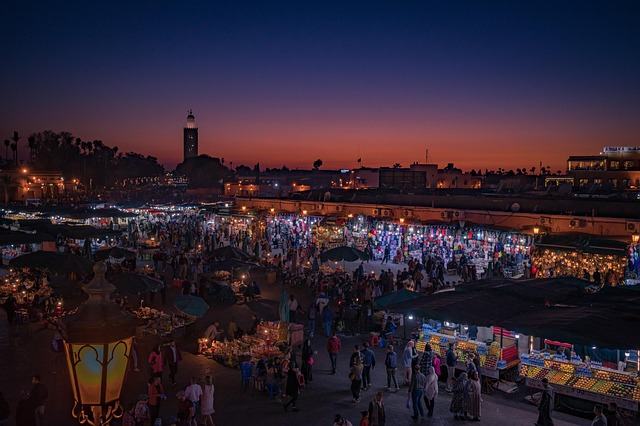
As the late afternoon sun softens, head toward Jemaa el-Fnaa, the central square that serves as the beating heart of Marrakech. Secure a seat on an elevated cafe terrace to sip sweet mint tea while watching the open-air market come alive below. As dusk settles, the square fills with street food vendors, musicians, and storytellers offering an unforgettable introduction to Moroccan culture.
- Arrive at Bahia Palace right at opening to avoid tour groups
- Dress respectfully with shoulders and knees covered when visiting historical sites
- Keep small coins and bills ready for entrance fees and terrace drinks
Day 2: Souks, Islamic Architecture, and Secret Gardens
Dedicate your second day to exploring the maze of artisan workshops and alleys in the northern Medina. Start at Ben Youssef Madrasa, a restored fourteenth-century Islamic college featuring breathtaking stucco carvings and zellij tile mosaics. Next door, the Marrakech Museum and the Photography Museum offer fascinating glimpses into regional art and historic photography.
Spend your afternoon browsing the surrounding markets, from the spice pyramids of Rahba Kedima to the leather stalls of Souk Semmarine. When you need a break from the bustle, slip into Le Jardin Secret, an elegant restored riad garden with traditional irrigation channels and shaded benches. End your day enjoying a slow tagine dinner at a quiet courtyard restaurant tucked away from the main thoroughfares.
- Download an offline map application before wandering deep into the souks
- Polite bargaining is customary, so keep negotiations lighthearted and friendly
- Look for the Spice Square if you want a calmer place to shop and relax
Day 3: Lush Greenery, Modern Art, and Gueliz
Step outside the old city walls on your final morning to visit Jardin Majorelle, the famous botanical garden created by Jacques Majorelle and later saved by Yves Saint Laurent. The cobalt-blue villa set amidst towering cacti and bamboo groves provides a stark, peaceful contrast to the Medina. Right beside the garden, the Pierre Bergé Museum of Berber Arts and the Yves Saint Laurent Museum showcase extraordinary textiles, jewelry, and couture garments.
Spend your afternoon exploring Gueliz, the modern quarter developed during the early twentieth century. Here, broad avenues are lined with contemporary art galleries, indie boutiques, and Parisian-style cafes serving excellent coffee and pastries. Consider booking a late afternoon traditional hammam session for a rejuvenating steam bath and scrub before your final dinner.
- Buy Jardin Majorelle tickets online well in advance since walk-up tickets are rarely sold
- Take a metered taxi between the Medina and Gueliz rather than walking the long distance
- Book your hammam treatment a day ahead to secure your preferred time slot
Where to Stay: Choosing the Right Neighborhood
For a classic first-time experience, booking a riad inside the Medina is hard to beat. These traditional Moroccan homes are built around interior courtyards with fountains, offering serene sanctuaries right in the center of the historic district. Keep in mind that riads are rarely accessible by car, so you may need to walk the final stretch with your luggage.
If you prefer modern conveniences, larger swimming pools, and direct car access, consider staying in Hivernage or Gueliz. These neighborhoods feature upscale international hotels, wide sidewalks, and easy access to contemporary dining. While you trade away some historic atmosphere, you gain quieter streets and a simpler arrival experience.
- Coordinate riad arrivals with your host so a luggage porter can meet your taxi
- Choose Medina accommodations near main gates if you want shorter walking routes with bags
- Check whether your riad offers a rooftop terrace for quiet morning breakfasts
Practical Advice: Transport, Money, and Safety
Getting around Marrakech is straightforward once you understand local transport options. Inside the Medina, walking is the only practical way to travel through the pedestrian alleys. For longer trips to Gueliz or the train station, hail a small beige petit taxi, and always confirm the meter is switched on or agree on the fare before getting in.
Cash remains essential throughout Morocco, particularly when shopping in markets, paying taxi drivers, or tipping service staff. ATMs are widely available across the city, but it is wise to keep a supply of smaller banknotes handy. Rules and card acceptance can change over time, so carrying a modest cash backup ensures a stress-free visit.
- Politely decline persistent street guides and keep walking confidently if approached
- Drink bottled or filtered water rather than tap water throughout your stay
- Keep small bills available for customary tips at cafes and public restrooms
When to Visit and How to Plan Your Days
Spring from March to May and autumn from September to November offer the most pleasant weather, with warm days and cool evenings. Winter brings clear skies and comfortable afternoon temperatures, though nights can feel brisk in older buildings. Summer temperatures regularly exceed forty degrees Celsius, which can make midday sightseeing exhausting.
No matter when you travel, structure your days to explore outdoor attractions during the morning and late afternoon hours. Reserve the hottest hours of the day for a leisurely lunch, a museum visit, or relaxation by your riad courtyard fountain. Taking this relaxed approach helps you adapt smoothly to the local rhythm.
- Pack layers for chilly winter mornings and breezy rooftop evenings
- Carry sunscreen and a refillable insulated water bottle year-round
- Expect higher accommodation rates during spring holidays and year-end celebrations
FAQ
Is three days enough time to visit Marrakech?
Three days is an ideal amount of time for a first visit to Marrakech. It allows you to explore major monuments like Bahia Palace, shop the souks, visit Jardin Majorelle, and enjoy local food without feeling rushed.
What should I wear when traveling around the city?
Modest and breathable clothing made from cotton or linen is ideal. Covering your shoulders and knees is respectful of local customs and helps protect your skin from the sun.
Do I need to carry cash, or are credit cards accepted?
Cash in Moroccan dirhams is essential for souks, small eateries, and taxis. While upscale hotels and modern restaurants accept cards, smaller vendors generally do not.
Is Marrakech safe for first-time visitors?
Marrakech is generally very safe for tourists, with violent crime being rare. Visitors should simply stay alert to petty pickpocketing in crowded markets and politely decline unsolicited navigation assistance.
Plan it with TripPilot
Tell our AI where you want to go and get flights, hotels and a day-by-day plan.
Start planningWritten with AI help and checked for usefulness. Prices, opening times and travel rules change, so check before you go.