Old Montreal
Best for: First-timers and history buffsFilled with cobblestone lanes, romantic boutique hotels, and landmark sights within easy walking distance.
See hotels in Old Montreal →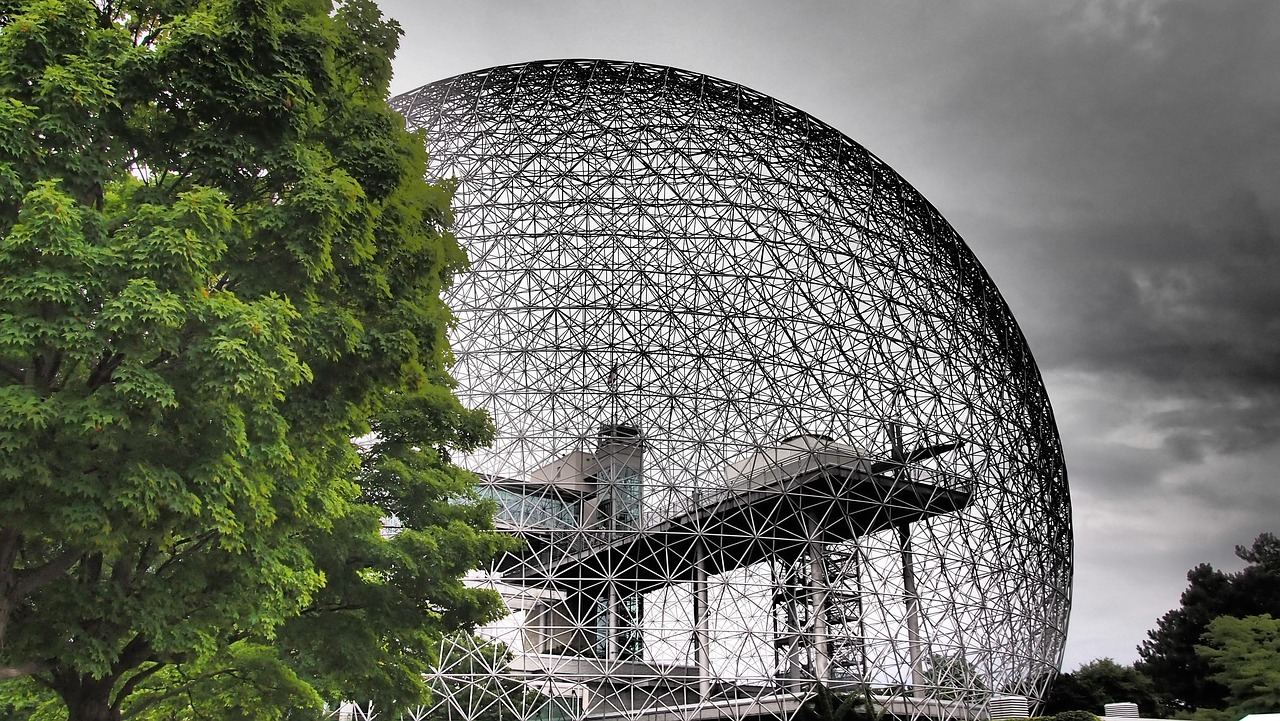
Canada · European charm meets vibrant North American creativity in Canada's cultural capital.
Montreal blends centuries of French heritage with dynamic North American energy, creating a world of cobblestone streets, artistic alleys, and legendary gastronomy. It is ideal for foodies, architecture lovers, and culture enthusiasts who appreciate bilingual cosmopolitan charm.
June through September is the premier window to visit for warm weather and street festivals. September to October is also superb for crisp autumn temperatures and vibrant fall foliage.
Peak festival season, lively outdoor terrasses, and highest accommodation rates.
Brilliant fall leaves, moderate crowd sizes, and excellent walking weather.
Lower hotel prices, enchanting winter festivals, and active underground city tunnels.
Quieter streets, maple syrup sugar shack season, and returning patio dining.
Hike or stroll through this grand urban park designed by Frederick Law Olmsted to reach the Kondiaronk Belvedere for panoramic skyline vistas.
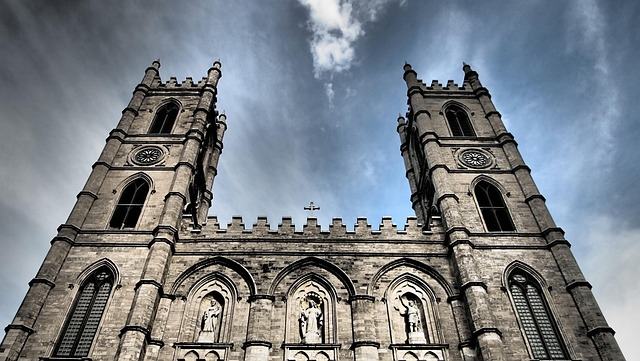
Marvel at this dramatic Gothic Revival masterpiece featuring intricately carved woodwork and a glowing deep-blue vaulted ceiling.
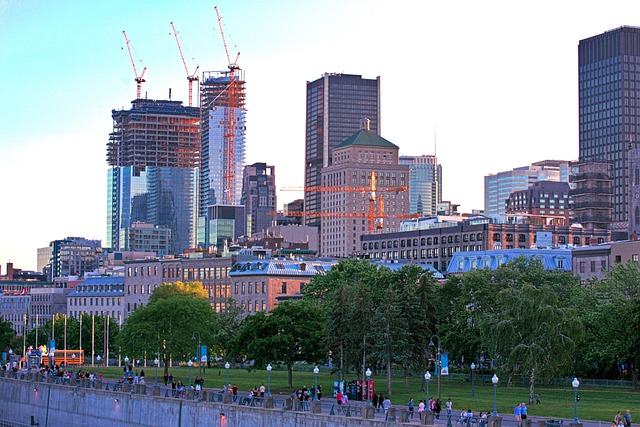
Wander through centuries-old stone architecture, historic squares, and lively riverside paths along the Saint Lawrence River.
Sample regional Quebec cheeses, fresh berries, artisanal ciders, and maple treats in this expansive, bustling open-air market.
Explore diverse international pavilions housing Canadian art, indigenous works, and world-class international exhibitions.
Stroll through globally recognized thematic greenhouses, an ornate Chinese Garden, and peaceful Japanese pavilions.
Browse independent bookstores, vintage boutiques, and record shops before tasting iconic wood-fired bagels.
Unwind at this historic converted ferryboat turned floating Nordic spa anchored in the Old Port.
Filled with cobblestone lanes, romantic boutique hotels, and landmark sights within easy walking distance.
See hotels in Old Montreal →Famous for classic spiral staircases, leafy side streets, vibrant murals, and a bustling local cafe culture.
See hotels in Plateau-Mont-Royal →The central commercial core featuring major hotel chains, museum row, and direct access to the Underground City.
See hotels in Downtown (Centre-Ville) →A trendy enclave packed with iconic bakeries, third-wave coffee shops, and independent clothing boutiques.
See hotels in Mile End →Tipping between 15% and 20% is customary at sit-down dining venues, and provincial taxes are added at checkout.
Tell us where you fly from and we'll find real prices.
Crispy french fries topped with fresh squeaky cheese curds and smothered in piping-hot savory brown gravy.
Cured and spiced beef brisket steamed to tender perfection and served on rye bread with yellow mustard.
Hand-rolled, poached in honey-sweetened water, and baked in wood-fired ovens for a dense, chewy, and slightly sweet treat.
A traditional French-Canadian spiced minced pork and beef pie commonly eaten during holidays and cold winter months.
Boiled pure maple sap poured over clean snow and rolled onto a wooden stick into chewy candy.
The 747 express bus and the REM light rail network provide straightforward connections between Montreal-Trudeau Airport (YUL) and the city center. Once in town, the STM metro system is clean, safe, and efficient, while the BIXI bike-share system is ideal for navigating the extensive network of protected cycling lanes during warmer months.
No, Montreal is an exceptionally bilingual city, and visitors can easily navigate everyday interactions in English. However, offering basic greetings like 'bonjour' and 'merci' is polite and appreciated by locals.
Montreal is consistently ranked among the safest metropolitan areas in North America. Standard urban precautions apply, but solo travelers can comfortably explore most neighborhoods day or night.
Three to four full days provide the ideal amount of time to explore major neighborhoods, historic sights, and cultural highlights. Add an extra two days if you plan day trips to Quebec City or the Laurentian Mountains.
Montreal uses the Canadian Dollar (CAD). Credit cards and contactless mobile payments are accepted virtually everywhere, meaning you rarely need to carry physical cash.
Winter can be extremely cold with significant snowfall, but the city handles it smoothly with heated underground walkways and lively winter festivals. Bring thermal base layers, a windproof winter parka, and insulated waterproof boots to stay comfortable.
Get real flight prices, hotels and a day-by-day plan made for you.
Start planningAI-written guide, last updated 2026-10-08. Check opening times, prices and travel rules before you go. Photos: ahundt, u_o1a2thbk1b on Pixabay.