Banff and Jasper National Parks
These flagship Rocky Mountain parks feature dazzling turquoise glacial lakes, winding alpine parkways, and abundant wildlife viewing opportunities.
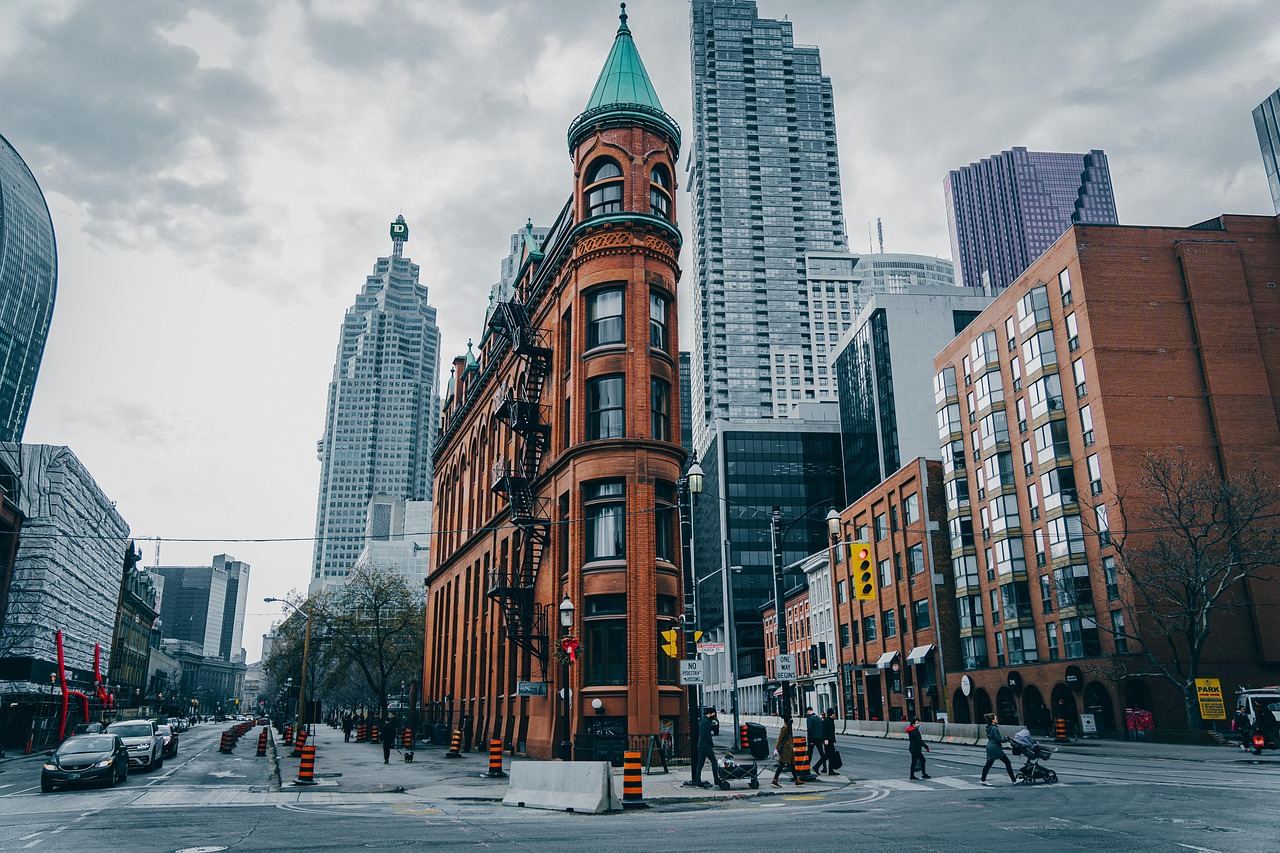
North America · Vast wilderness, vibrant multicultural cities, and unforgettable natural wonders await you.
Canada is an expansive country renowned for its soaring mountain peaks, pristine glacial lakes, and warm multicultural cities. Nature enthusiasts will marvel at abundant wildlife and dramatic scenery, while urban explorers can savor diverse culinary scenes and rich cultural heritage. It is the perfect destination for epic road-trippers, winter sports enthusiasts, and curious wanderers alike.
June through September offers the best conditions for outdoor hiking and warm city exploring, while December through March is ideal for winter sports.
Shoulder season with lower accommodation rates, melting snow, and blooming urban gardens.
Peak tourist season with bustling national parks, countless outdoor festivals, and higher prices.
Lush autumn foliage across eastern provinces, moderate crowds, and pleasant hiking conditions.
Prime season for skiing in the Rockies, lively winter carnivals, and northern aurora chasing.
These flagship Rocky Mountain parks feature dazzling turquoise glacial lakes, winding alpine parkways, and abundant wildlife viewing opportunities.
This coastal region seamlessly blends modern cosmopolitan life with temperate rainforests, rugged ocean beaches, and premier whale-watching.
One of the world's most famous natural spectacles, showcasing thunderous cascades alongside boat tours and lush Niagara wine country.
A UNESCO World Heritage site known for historic stone ramparts, cobbled European-style alleys, and the grand Fairmont Le Château Frontenac.
A dynamic hub of arts, cuisine, and bilingual culture that pairs indie neighborhoods with historic basilicas and lively markets.
Located in Newfoundland, this dramatic park offers sheer freshwater fjords, exposed ancient oceanic crust, and coastal hiking trails.
Rent a vehicle in Calgary and drive along the iconic Icefields Parkway, stopping at turquoise lakes and dramatic mountain passes.
Plan this routeTravel smoothly along this historic corridor by VIA Rail train or rental car to experience the country's contrasting metropolitan capitals.
Plan this routeCombine scenic ferry crossings between mainland British Columbia and Vancouver Island with a drive along the dramatic Sea-to-Sky Highway.
Plan this routeBook national park vehicle rentals and camping permits months in advance to avoid steep summer price surges.
A beloved Quebec comfort classic featuring crispy french fries and squeaky cheese curds drenched in savory hot brown gravy.
A quintessentially Canadian pastry shell filled with a rich, flaky mixture of butter, sugar, and syrup.
A traditional French-Canadian spiced meat pie made with minced pork, beef, and fragrant winter spices.
Wood-fired, sesame-coated bagels that are denser, sweeter, and chewier than their New York counterparts.
A decadent no-bake dessert square consisting of wafer crumb base, custard-flavored buttercream, and chocolate ganache.
Because Canada spans immense distances, domestic flights are the quickest option between distant regions. VIA Rail connects the popular Windsor-to-Quebec City corridor with frequent train service. For exploring national parks, provincial reserves, and scenic routes, renting a car or campervan remains the most flexible choice.
Most international visitors arriving by air who do not require a full visa must apply online for an electronic Travel Authorization (eTA) before boarding their flight. The process is quick, inexpensive, and completed through the official Canadian government website. U.S. citizens are exempt and only need a valid passport.
Renting a car or motorhome from Calgary or Edmonton provides the greatest flexibility to explore Banff and Jasper at your own pace. Organized coach tours and luxury scenic trains like the Rocky Mountaineer are also popular alternatives. Independent public transit between smaller trailheads remains limited.
You do not need to speak French to enjoy Quebec, as tourism workers in Montreal and Quebec City generally speak fluent English. However, learning basic greetings like 'bonjour' and 'merci' is polite and appreciated by locals. In rural Quebec towns, English proficiency may be more limited.
The best months to view the aurora borealis are from late September through March when nights are longest and darkest. Prime viewing destinations include Whitehorse in the Yukon, Yellowknife in the Northwest Territories, and Churchill in northern Manitoba. Clear skies and strong geomagnetic activity are essential.
Tap water is exceptionally clean, strictly regulated, and safe to drink across almost all Canadian cities and developed tourist areas. When hiking in the backcountry, always filter, boil, or treat water sourced from lakes and streams. Bringing a reusable bottle will help you reduce plastic waste during your travels.
Get flights, hotels and a day-by-day plan across cities, made for you.
Start planningAI-written guide, last updated 2026-10-09. Check visa rules, prices and opening times before you go. Photos: miguelbarrera3, jplenio on Pixabay.