Cliffs of Moher
These awe-inspiring sea cliffs rise dramatically above the Atlantic Ocean in County Clare. Walk the coastal trails for breathtaking panoramic views of the Aran Islands.
Europe · Emerald landscapes, rich history, and the warmest welcomes in Europe.
Ireland enchants visitors with its dramatic sea cliffs, vibrant musical pubs, and ancient castles nestled in lush rolling hills. Road trippers, history buffs, and nature lovers will find endless wonder around every bend in the road. It is the perfect destination for travelers seeking genuine hospitality paired with untamed coastal beauty.
The best time to visit is between May and September, offering milder temperatures, longer daylight hours, and the best chance of dry weather.
Moderate crowds, blooming wildflowers, and vibrant St. Patrick's Day festivities in March.
Peak tourist season with long daylight hours up to 10 PM, but higher accommodation prices.
Fewer tourists, rich fall foliage, and great cultural festivals like Bram Stoker in October.
Lowest prices and quiet attractions, though some rural sites operate on reduced winter hours.
These awe-inspiring sea cliffs rise dramatically above the Atlantic Ocean in County Clare. Walk the coastal trails for breathtaking panoramic views of the Aran Islands.
A world-famous scenic driving route winding past rugged coastlines, mountain passes, and quaint villages. It showcases the quintessential postcard beauty of southwest Ireland.
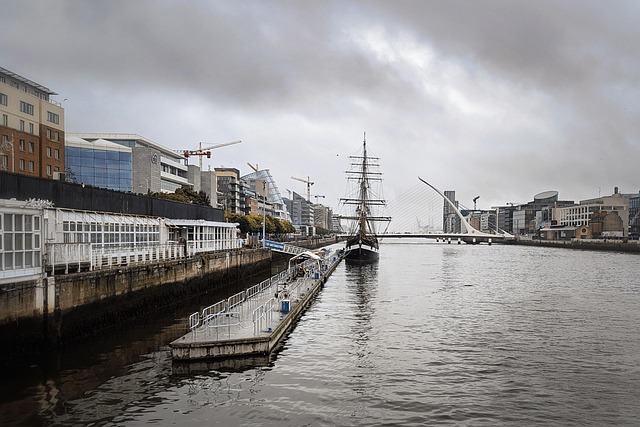
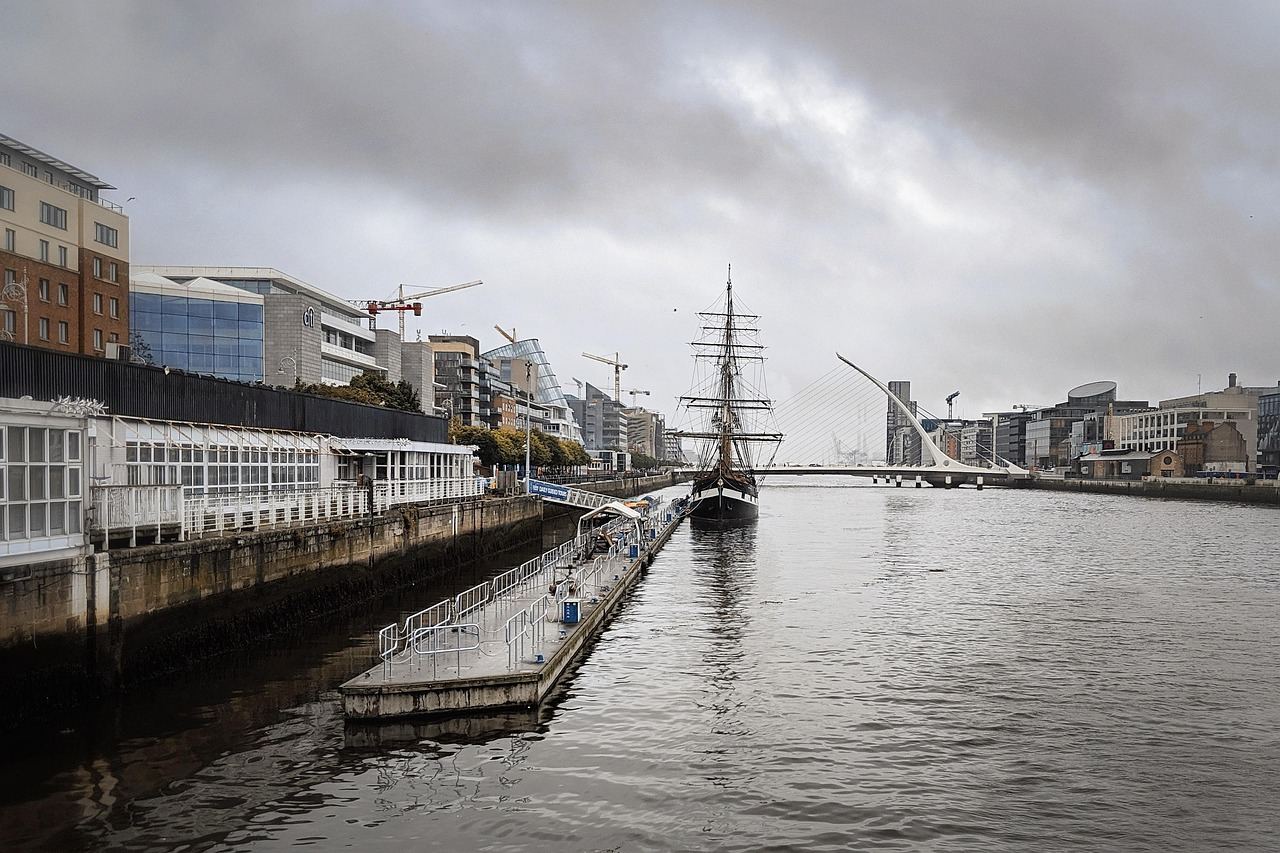
Explore Ireland's vibrant capital, home to Trinity College's Book of Kells, Dublin Castle, and historic pub-lined streets. It offers world-class museums alongside a legendary live music scene.
A wild expanse of boglands, rugged peaks, and quiet lakes in County Galway. It provides some of the finest hiking trails and most dramatic, untamed scenery in the west.
Located in nearby Northern Ireland, this geological marvel features thousands of interlocking basalt columns. Legend attributes its creation to the mythical giant Finn McCool.
Ireland's first national park encompasses sparkling lakes, ancient oak woods, and the grand 19th-century Muckross House. It is ideal for cycling and spotting native red deer.
Pick up a rental car in Dublin and head west to explore the vibrant city of Galway and the dramatic Atlantic coastline. Self-driving offers the most flexibility to navigate the narrow coastal roads.
Plan this routeJourney south through medieval Kilkenny and food-loving Cork before exploring Kerry's majestic peninsulas and returning via Galway. Travel easily by rental car or by combining regional Irish Rail trains with local buses.
Plan this routeExperience the highlights of both the Republic of Ireland and Northern Ireland along the coastal highways. A self-drive itinerary is the best way to connect the northern causeway coast with the rugged western peninsulas.
Plan this routeBooking rental cars and city accommodations months ahead yields significant savings.
A comforting, slow-cooked stew made with tender lamb or beef, potatoes, carrots, and onions.
A hearty morning plate piled with bacon, sausages, eggs, black and white pudding, toast, and grilled tomatoes.
Rich, creamy fish soup loaded with local catch and served with dense, freshly baked soda bread.
A traditional Irish potato pancake that is crispy on the outside and wonderfully fluffy inside.
A classic coastal pairing matching freshly shucked Atlantic oysters with a pint of creamy dry Irish stout.
Renting a car provides the greatest freedom to reach remote coastal peninsulas, national parks, and rural villages. Between major cities like Dublin, Cork, and Galway, Irish Rail trains are fast, comfortable, and reliable. Regional Expressway and Bus Éireann coaches effectively cover towns lacking direct train stations.
There is no hard border or checkpoint between Ireland and Northern Ireland. However, international travelers should always carry their passport as identification when traveling across regions.
Driving on the left side and navigating narrow country lanes with stone walls can feel intimidating at first. Opting for an automatic vehicle and taking your time makes the experience very manageable.
Yes, you can easily travel between major cities by train and bus, then book organized day tours to visit sites like the Cliffs of Moher or Connemara. However, reaching off-the-beaten-path countryside without a car requires extensive bus planning.
Bring a sturdy windproof and waterproof rain jacket rather than an umbrella, which can easily break in Atlantic winds. Pack comfortable walking shoes, warm mid-layers like fleece or wool, and versatile clothes you can layer up or down.
Irish pubs are community living rooms and generally welcome children during daytime and early evening hours. By law, minors must usually leave by 9 PM, or 10 PM during summer months.
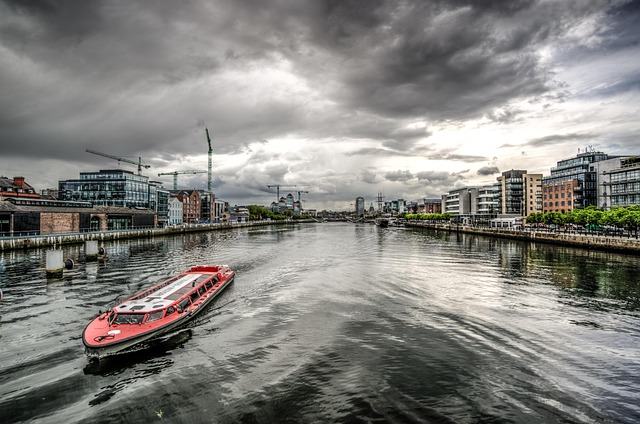
Get flights, hotels and a day-by-day plan across cities, made for you.
Start planningAI-written guide, last updated 2026-10-08. Check visa rules, prices and opening times before you go. Photos: 14062968, ClickerHappy on Pixabay.