Traveling across Asia does not have to drain your savings account. From flavorful street noodle stalls to scenic mountain rail journeys, this vast continent offers some of the greatest travel value in the world. If you are planning an unforgettable getaway in 2026 without overspending, these destinations should top your list.
Vietnam: Street Food and Inexpensive Stays
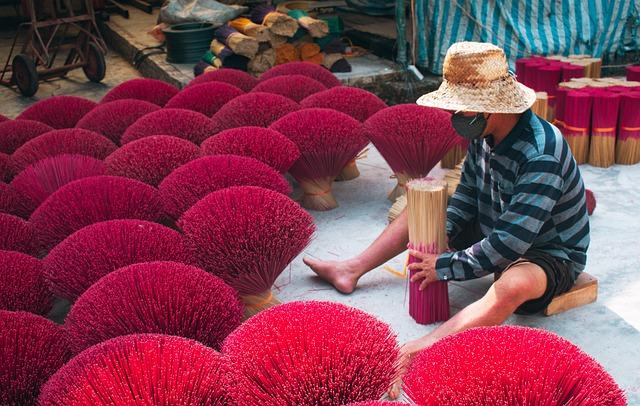
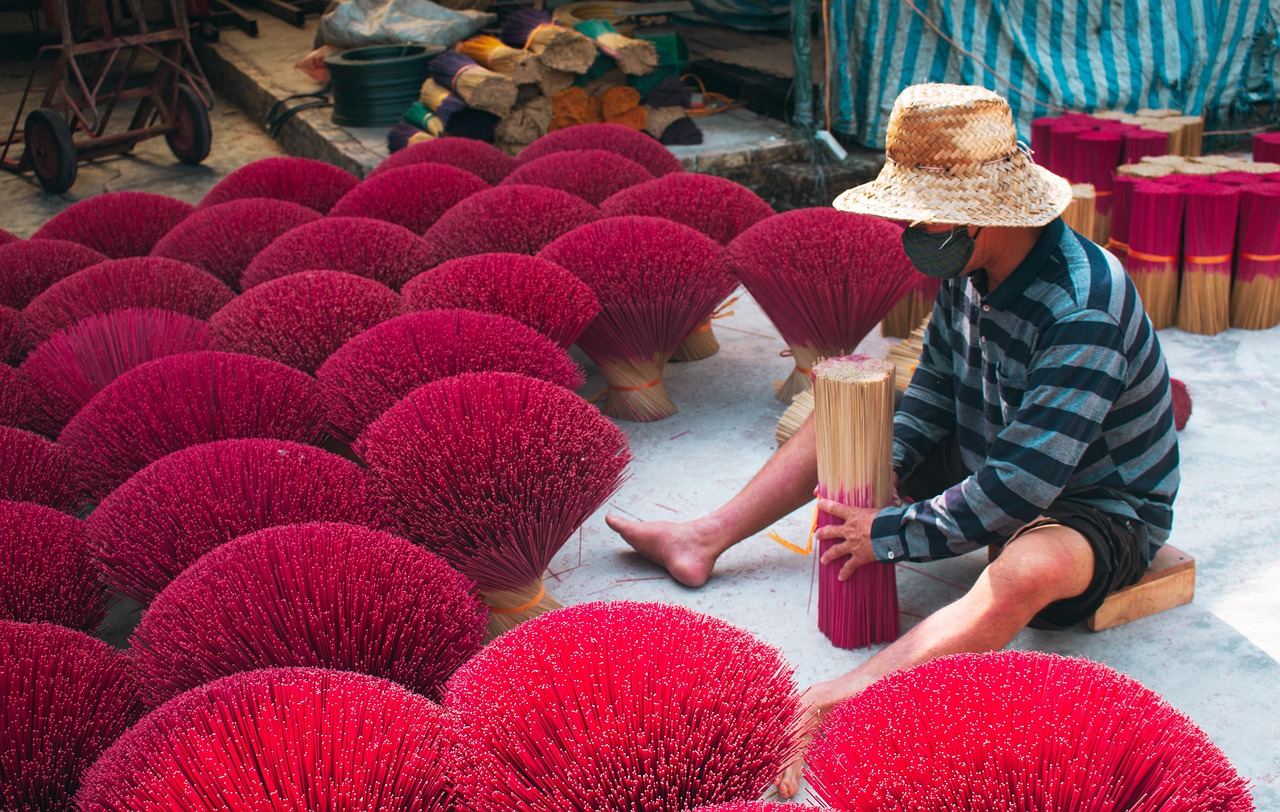
Vietnam remains one of the top destinations for budget-conscious travelers seeking culture, nature, and incredible food. Daily costs for comfortable private rooms or social hostels stay remarkably low across the country. Eating out is an attraction in itself, with sidewalk stalls serving freshly made bowls of pho and banh mi sandwiches for minimal cost.
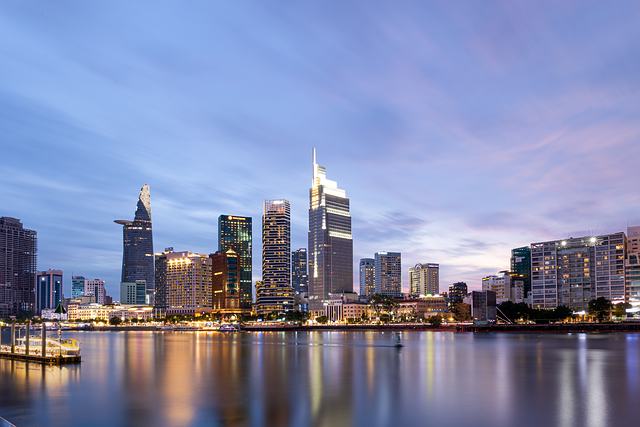
Getting between major hubs like hanoi in the north and ho-chi-minh-city in the south is straightforward and wallet-friendly. Sleeper trains and long-distance sleeper buses allow you to cover great distances overnight, saving both daylight and the cost of a night in a hotel. Scenic spots like Ninh Binh and Phong Nha offer world-class caves and limestone peaks without the luxury price tags.
- Eat where locals congregate to find the freshest dishes at standard local rates.
- Book train tickets directly through official rail portals to avoid steep agency markups.
- Consider renting a scooter in rural areas only if you have valid licensing and insurance.
Thailand: Easy Travel Beyond the Luxury Hotspots
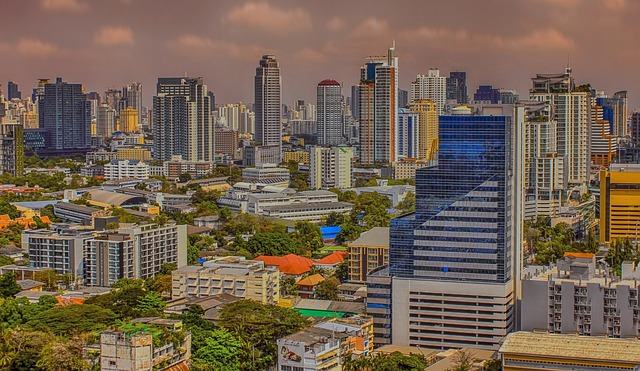
While island resorts in the south can get pricey, Thailand remains remarkably affordable if you balance your itinerary. Dynamic capital city bangkok offers inexpensive metro lines, cheap boat taxis along the Chao Phraya River, and bustling night markets. Accommodations range from cheap boutique guesthouses to well-run hostels.
Heading north toward chiang-mai opens up even greater savings alongside a cooler climate. Northern Thailand is renowned for inexpensive cooking courses, temple visits, and vibrant weekend walking streets. Booking domestic flights in advance or taking comfortable overnight trains will keep your transit costs well under control.
- Stick to northern regions and secondary cities to find the lowest lodging rates.
- Use local transport apps or metered taxis rather than unmetered tuk-tuks in major cities.
- Check visa exemption rules before flying, as entry policies can shift over time.
India: Unmatched Value and Cultural Immersion
India is widely regarded as one of the most economical destinations on earth for independent travelers. The vast Indian Railways network connects nearly every corner of the country, letting you traverse thousands of kilometers on a modest budget. Daily expenses for freshly prepared thalis, local snacks, and budget guesthouses are accessible to almost anyone.
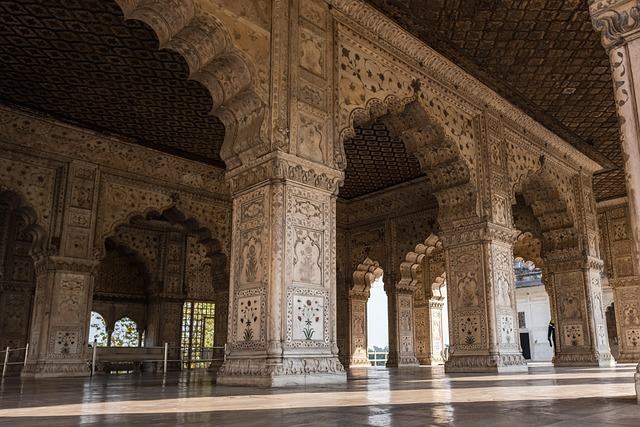
Arriving in bustling transit hubs like delhi gives you access to historic monuments and vibrant street bazaars without costly admission fees. Moving on to states like Rajasthan or Madhya Pradesh provides royal architecture and ancient fortresses at a fraction of Western travel costs. Keep in mind that patience and flexibility are essential tools when navigating daily travel here.
- Reserve train berths several weeks ahead, as popular routes fill up quickly.
- Drink only purified or bottled water and choose busy, clean restaurants for hot meals.
- Carry small cash denominations because vendors often lack change for large notes.
Nepal: Mountain Treks on a Modest Budget
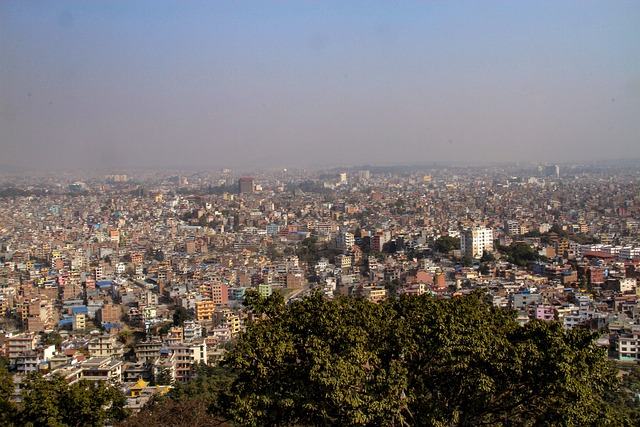
Nepal is a dream destination for outdoor enthusiasts seeking epic adventures on a grounded budget. In the historic capital of kathmandu, travelers can explore ancient courtyards, stupas, and bustling bakeries for very little money each day. Modest guesthouses and family-run homestays are plentiful and welcoming.
Trekking in regions like the Annapurna circuit can be surprisingly affordable due to the established tea house network. Tea houses provide basic private rooms alongside hearty communal meals such as dal bhat, which usually comes with free refills. Remember that trekking permits and national park fees must be factored into your total expense calculations.
- Rent cold-weather trekking gear in Kathmandu or Pokhara instead of buying brand-new items.
- Eat dal bhat on trekking trails for an energy-dense meal that offers great value.
- Check up-to-date guide regulations, as rules for solo hikers can change periodically.
Cambodia and Laos: Slow Travel Along the Mekong
Cambodia and Laos offer relaxed travel experiences, rich heritage, and minimal daily costs. In Cambodia, outside of major multi-day temple passes, daily expenses for food and lodging are very low. Laos offers tranquil riverside towns where your biggest daily expense might simply be a fresh noodle bowl and a fruit shake.
Traveling by slow boat along the Mekong River or taking regional public buses provides scenic views for small sums. Modern high-speed rail lines in Laos now connect key cities quickly, though local shared vans remain the cheapest option. Exploring quiet countryside lanes by bicycle is both rewarding and exceptionally light on your wallet.
- Purchase multi-day passes for major archaeological sites to lower your cost per day.
- Opt for slow boats or shared minivans to keep regional transit expenses manageable.
- Carry crisp, undamaged currency notes when crossing borders or changing money.
Practical Strategies for Budget Travel in 2026
Keeping costs down in Asia comes down to pacing and preparation. Traveling too quickly often leads to expensive convenience choices like last-minute flights and private taxis. By slowing down and spending several days in each base, you can negotiate weekly room discounts, discover neighborhood food spots, and minimize transit fees.
Technology also makes frugal travel much easier today than in previous decades. Local e-SIM cards allow you to navigate local transport schedules and order rides through regional ridesharing apps without surge fees. Always verify current entry requirements, visa fees, and currency exchange rates before your trip, as administrative details frequently change.
- Travel during shoulder seasons to avoid peak holiday accommodation rates.
- Install regional transit and rideshare apps before arriving to avoid tourist overcharging.
- Always keep a backup debit card that waives international ATM transaction fees.
FAQ
Which Asian country is the cheapest for solo backpackers?
Vietnam and India consistently rank among the cheapest destinations for solo travelers. Both countries feature extensive hostel networks, incredibly affordable street dining, and inexpensive long-distance public transport options.
Is street food safe to eat on a budget?
Yes, street food is generally safe and often fresher than restaurant food because ingredients are turned over quickly. Look for busy stalls with high customer turnover where meals are prepared piping hot right in front of you.
Do I need to carry cash when traveling on a budget in Asia?
Yes, carrying local cash is essential for street vendors, small guesthouses, and rural buses throughout Asia. While card payments and mobile codes are expanding rapidly in major cities, cash remains the primary payment method for daily bargains.
How far in advance should I book budget accommodations?
Booking a few days ahead is usually sufficient during normal travel months, giving you room for flexibility. However, if you are traveling during peak dry seasons or local national festivals, booking a few weeks in advance ensures you secure the best budget rooms.
Plan it with TripPilot
Tell our AI where you want to go and get flights, hotels and a day-by-day plan.
Start planningWritten with AI help and checked for usefulness. Prices, opening times and travel rules change, so check before you go. Photos: lehuudat on Pixabay.