Swayambhunath Monkey Temple
Kathmandu, Nepal · Landmark
About Swayambhunath Monkey Temple
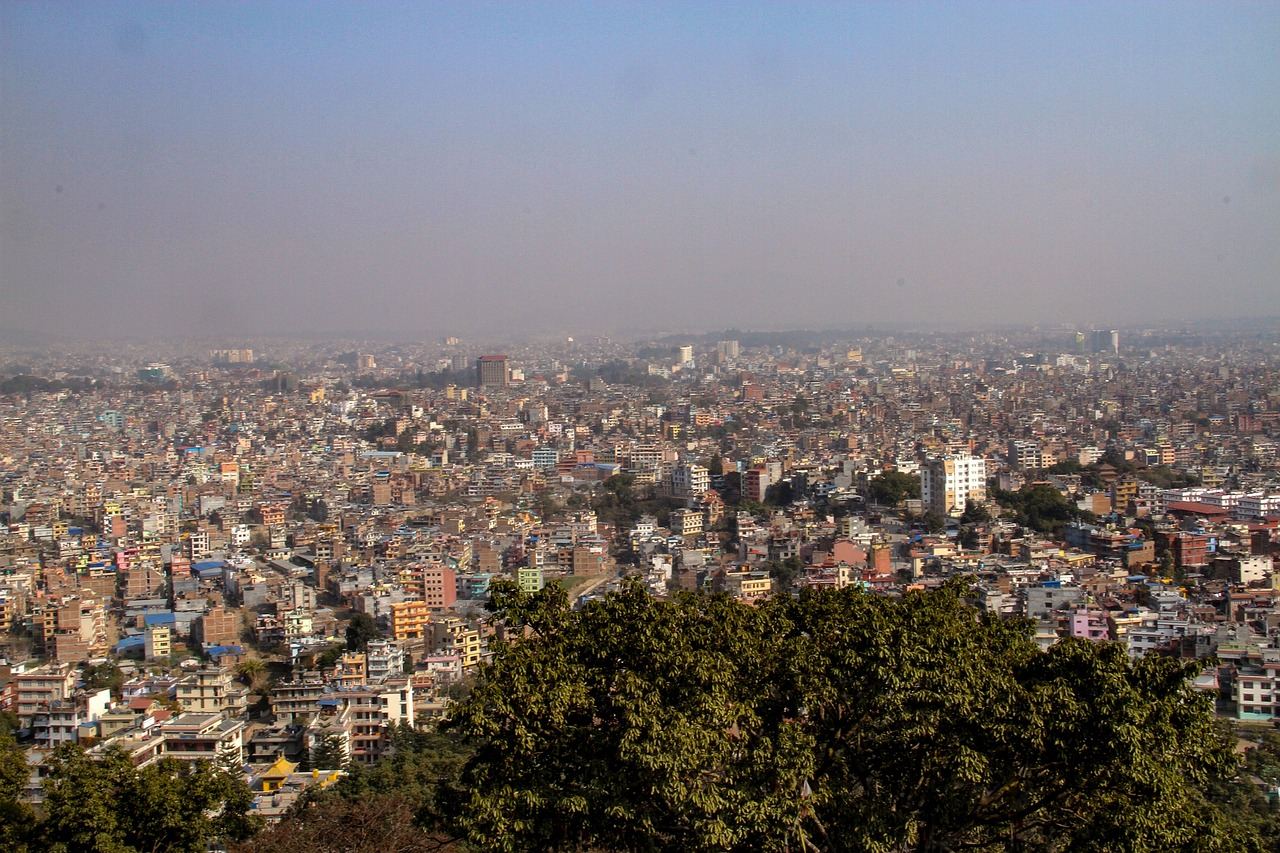
Perched atop a hill in the Kathmandu Valley, Swayambhunath is an ancient religious complex revered by both Buddhists and Hindus. Often called the Monkey Temple due to the large troop of sacred primates living on its forested slopes, it is renowned for its whitewashed stupa painted with the compassionate eyes of the Buddha. Visitors flock here to witness centuries of living spiritual heritage and enjoy sweeping panoramic views across the city.
Don't miss
- Marvel at the iconic central stupa topped with a gilded spire and the all-seeing eyes of the Buddha.
- Climb the 365 ancient stone steps of the eastern stairway alongside prayer flags and historical stone statues.
- Spin the countless brass prayer wheels set into the base of the stupa while observing daily religious rituals.
- Enjoy sweeping 360-degree vistas over the rooftops of Kathmandu and the surrounding valley from the scenic viewpoints.
Plan your visit
Visit during early morning or late afternoon for cooler temperatures, active monk rituals, and beautiful light across the valley. The autumn months of October and November offer the clearest weather and best mountain views.
Foreign visitors are required to pay a modest admission fee at the ticket counter near the entrance, while entry is free for locals. Advance booking is not necessary as tickets are easily purchased on arrival with cash.
The temple is located about 3 kilometers west of the popular Thamel district, roughly a 10- to 15-minute taxi ride. Alternatively, adventurous travelers can reach it on foot via a 40-minute walk through local neighborhoods.
Tips for visiting
- Secure your belongings and keep all food and drinks out of sight, as the resident monkeys can be aggressive snatchers.
- Always walk around the stupa and other sacred monuments in a clockwise direction in accordance with Buddhist custom.
- Wear sturdy walking shoes with good traction, especially if tackling the steep and worn eastern stairway.
- Dress respectfully by covering your shoulders and knees to honor the sanctity of this active pilgrimage site.
- Bring small cash in Nepalese rupees to pay for your admission ticket and small purchases from local artisans.
Swayambhunath Monkey Temple FAQ
Why is Swayambhunath known as the Monkey Temple?
The complex earned this moniker because hundreds of holy rhesus macaque monkeys inhabit the surrounding trees and temple grounds. According to local Buddhist legend, these monkeys grew from the head lice of the bodhisattva Manjushri when he transformed the valley. Today, they roam freely and are protected as sacred creatures.
Can visitors with limited mobility visit Swayambhunath?
Yes, visitors who wish to avoid the steep 365-step climb can take a taxi up to the western parking area. From there, only a short flight of shallow stairs leads onto the main courtyard of the stupa. While not fully wheelchair-accessible, this upper entrance is far easier to manage.
Is photography allowed at the complex?
Photography is permitted throughout the open-air courtyards, terraces, and around the primary stupa structure. However, be respectful of worshippers, ask permission before photographing monks, and look out for signs prohibiting photography inside smaller, enclosed shrines.
Are the resident monkeys dangerous to visitors?
The monkeys are habituated to human presence, but they are still wild animals that can bite or scratch if cornered. Avoid direct eye contact, do not attempt to touch or feed them, and hold onto sunglasses and cameras tightly to prevent theft.
More things to do in Kathmandu
Boudhanath Stupa Landmark
Circle one of the world's largest Buddhist stupas alongside chanting monks and fluttering prayer flags.
Kathmandu Durbar Square Landmark
Wander through the historic royal plaza filled with intricate multi-tiered temples and ancient palaces.
Pashupatinath Temple Landmark
Observe sacred Hindu cremation rituals and encounter holy sadhus along the sacred Bagmati River.
Thamel Neighborhood
Get lost in the lively labyrinth of shops, cozy rooftop cafes, trekking gear stores, and live music bars.
Garden of Dreams Nature
Step inside a tranquil, restored neo-classical walled garden to escape the city noise.
Patan Durbar Square Landmark
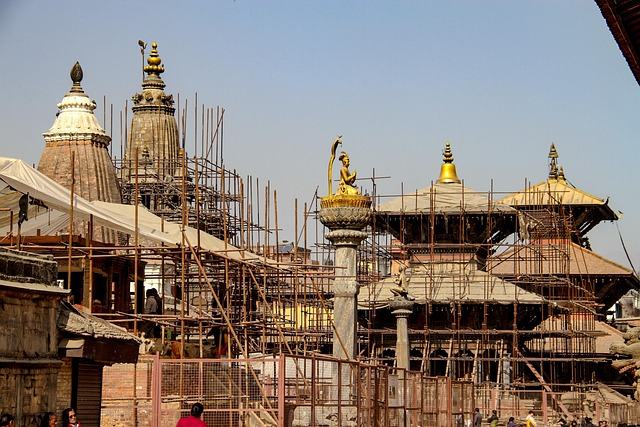
Marvel at masterfully crafted Newari architecture, bronze statues, and the renowned Patan Museum.
Asan Tole Market Walk Shopping
Experience everyday Kathmandu life in this centuries-old trading square packed with spices and brassware.
AI-written guide, last updated 2026-10-09. Check opening times and ticket prices on the official website before you go. Photos: photodrishti on Pixabay.