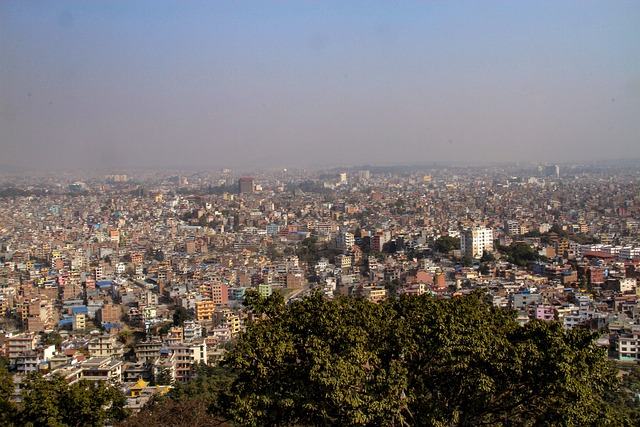
Kathmandu Valley
Vibrant capital region brimming with UNESCO-listed durbar squares, bustling bazaars, and ancient Buddhist stupas like Boudhanath.
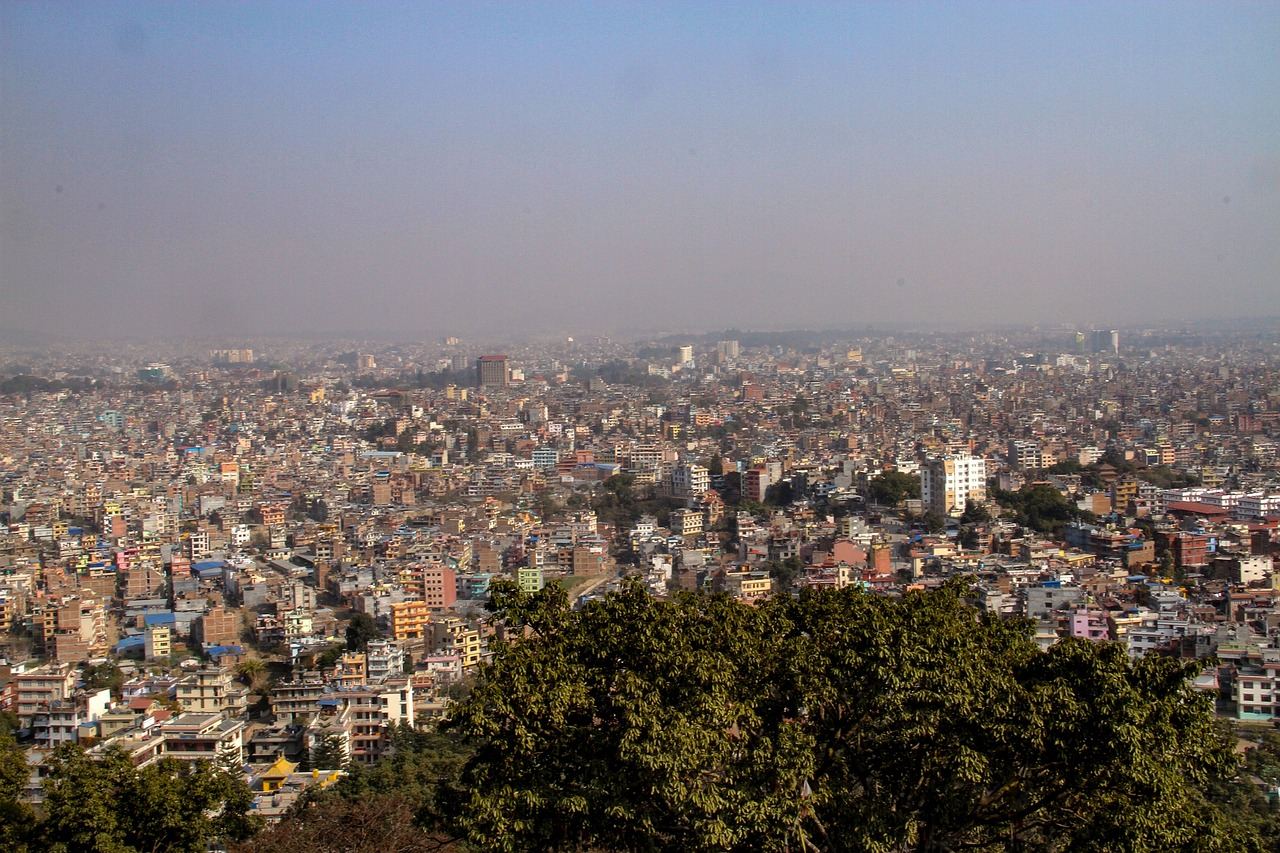
Asia · Majestic Himalayan peaks, ancient temples, and epic high-altitude adventure.
Nepal is home to eight of the world's highest mountains, alongside ancient medieval kingdoms filled with intricate wooden temples. Trekking trails wind through dramatic valleys, while southern national parks offer lush jungles teeming with rhinos and tigers. Adventurers, cultural enthusiasts, and spiritual seekers will all fall in love with its warm hospitality.
October to November offers crystal-clear skies and pleasant temperatures for trekking. March to April brings warmer weather and vibrant blooming rhododendron forests.
Peak trekking season with blooming wildflowers, moderate crowds, and rising temperatures before monsoon.
Low hotel prices and lush green landscapes, but landslides and leeches disrupt mountain treks.
Busiest travel window with spectacular mountain visibility and major national festivals like Dashain.
Few tourists and sunny valley days, but high mountain passes are blocked by heavy snow.
Vibrant capital region brimming with UNESCO-listed durbar squares, bustling bazaars, and ancient Buddhist stupas like Boudhanath.
Relaxed lakeside city set beneath the Annapurna range, famous for boating on Phewa Lake and tandem paragliding.
Subtropical lowland jungle where visitors take guided safaris to spot one-horned rhinoceroses, wild elephants, and Bengal tigers.
Breathtaking trekking route taking hikers through alpine forests, roaring rivers, and up to a natural mountain amphitheater.
World-famous trail through the Khumbu region, offering immersed Sherpa culture and unforgettable views of the planet's highest peak.
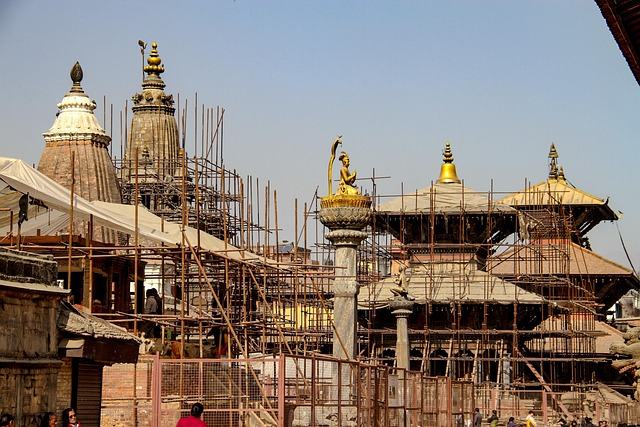
Living museum of Newari architecture, showcasing intricate red-brick courtyards, pagoda temples, and traditional pottery squares.
Connect the bustling capital, scenic lakeside Pokhara, and southern jungle safaris using tourist buses or short domestic flights.
Plan this routeFly or drive to Pokhara to embark on an iconic mountain trek through diverse ecosystems right into the Himalayas.
Plan this routeExplore rich Newari architecture and medieval town squares, finishing with panoramic sunrise mountain views via private vehicle transfers.
Plan this routeCarry ample cash on trekking routes because card terminals and ATMs do not exist at mountain teahouses.
The nourishing national meal composed of steamed rice, spiced lentil soup, vegetable curry, and savory pickles.
Steamed or fried dumplings filled with minced meat or vegetables, served with a spicy sesame-tomato sauce.
Comforting Tibetan noodle soup served piping hot with vegetables, meat, and warming Himalayan spices.
Crispy, sweet, ring-shaped rice bread traditionally prepared during festivals and eaten as a breakfast snack.
Fragrant black tea brewed with milk, crushed ginger, cardamom, and aromatic spices.
Domestic flights swiftly connect Kathmandu with regional destinations like Pokhara and Lukla, cutting out lengthy overland trips. Comfortable tourist buses operate between Kathmandu, Pokhara, and Chitwan, though road construction can cause delays. For mountain trailheads, hiring a private four-wheel-drive jeep with an experienced driver is the most reliable option.
Yes, national regulations mandate hiring a licensed trekking guide or booking through a certified trekking agency for most mountain regions. This regulation ensures hiker safety, provides emergency support, and sustains local employment. Check the latest park rules for your specific trail before setting out.
A moderate level of cardiovascular fitness and steady endurance is sufficient for popular routes like Poon Hill or the Annapurna Sanctuary. Regular cardio workouts, stair climbing, and hiking with a weighted daypack before your trip will make the journey far more enjoyable. High-altitude passes demand greater stamina and careful pacing.
No, tap water is unsafe for drinking or brushing teeth across the country. Always carry a reusable bottle with a reliable filtration system or buy boiled, purified water at teahouses. Avoiding raw, unpeeled vegetables and ice in budget establishments is also recommended.
Ascend slowly by limiting daily elevation gains to no more than 300 to 500 meters once above 3,000 meters. Build dedicated acclimatization rest days into your itinerary and avoid alcohol or sleeping pills. If severe headaches or dizziness persist, descend immediately to a lower elevation.
Credit cards are widely accepted at hotels, modern supermarkets, and restaurants in Kathmandu and Pokhara, though a processing fee is often added. In rural areas, national parks, and on mountain trekking routes, card readers are nonexistent. Withdraw sufficient cash in major cities before traveling into remote zones.
Get flights, hotels and a day-by-day plan across cities, made for you.
Start planningAI-written guide, last updated 2026-10-08. Check visa rules, prices and opening times before you go. Photos: photodrishti on Pixabay.