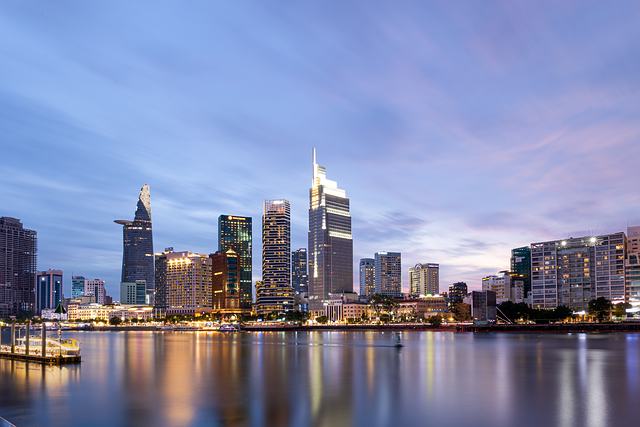
Hanoi
Vietnam's historic capital blends ancient temples, French colonial architecture, and a bustling Old Quarter packed with street-side stalls.
Asia · Timeless heritage, lush karst landscapes, and unforgettable culinary adventures await.
Vietnam captivates travelers with its dramatic emerald landscapes, buzzing street-food culture, and rich historical heritage. From the northern misty mountains down to the tranquil waterways of the Mekong Delta, it offers an incredible mix of adventure and cultural immersion. Food lovers, nature seekers, and history buffs will all find unforgettable experiences across the country.
The ideal months to visit nationwide are from November to April, when rainfall is low and temperatures are pleasant across most regions.
Great nationwide travel conditions, blooming flowers, and moderate crowds before the summer heat.
Peak domestic travel season, busy central beaches like Da Nang, and frequent tropical showers.
Golden rice terraces in northern highlands, pleasant city walks, though typhoons can impact central coasts.
Chilly and misty in Hanoi and Sapa, sunny beach weather in southern islands like Phu Quoc.
Vietnam's historic capital blends ancient temples, French colonial architecture, and a bustling Old Quarter packed with street-side stalls.
A UNESCO World Heritage site famed for emerald waters dotted with thousands of towering limestone karst islands.
A charming, well-preserved ancient trading port famous for lantern-lit alleyways, historic shophouses, and custom tailors.
The former imperial seat along the Perfume River, renowned for its majestic citadel, royal tombs, and royal cuisine.
A vibrant economic powerhouse buzzing with energy, historic war museums, and rooftop cocktail lounges.
A paradise for outdoor adventurers featuring some of the world's most spectacular and colossal cave systems.
Travel between major hubs via domestic flights or scenic sleeper trains like the Reunification Express to experience iconic highlights.
Plan this routeConnect these dramatic northern landscapes by private car or sleeper bus, navigating limestone peaks and dramatic mountain loops.
Plan this routeHop along the central coast using short train rides over the scenic Hai Van Pass and private transfers.
Plan this routeWithdrawing cash from local ATMs usually incurs small fees, so take out larger sums when possible.
A fragrant rice noodle soup brewed with beef or chicken, star anise, cinnamon, and fresh herbs.
A crisp French-style baguette filled with savory meats, pate, pickled vegetables, fresh cilantro, and chili sauce.
Grilled pork patties and slices served over rice vermicelli noodles, dipping broth, and leafy herbs.
A regional Hoi An specialty featuring thick noodles, pork, greens, and crunchy croutons in savory broth.
A rich, creamy Hanoi drink made by whipping egg yolks with condensed milk over robust robusta coffee.
Domestic flights link distant cities quickly and affordably via carriers like Vietnam Airlines and Vietjet. For regional routes, overnight sleeper trains or limousine vans provide scenic and comfortable alternatives. In urban areas, ride-hailing apps like Grab make getting around straightforward, cheap, and meter-free.
Most international visitors can apply online for a 90-day electronic visa before arriving. Some nationalities also qualify for visa-free entry for up to 45 days. Always verify current embassy guidelines prior to travel.
Vietnam is regarded as one of Southeast Asia's safest destinations for solo and female travelers. Violent crime is extremely rare, though standard precautions against bag snatching in cities are recommended. Locals are generally welcoming and eager to help visitors.
Cash remains essential for small eateries, street vendors, and markets across the country. Credit cards are commonly accepted in hotels, modern convenience stores, and upscale dining spots in big cities. Keep a mix of cash and card to travel stress-free.
Riding a motorbike is common, but it legally requires an International Driving Permit that specifically covers motorcycles. Traffic in urban hubs like Hanoi and Ho Chi Minh City is chaotic, so only experienced riders should attempt driving.
A two-week trip is ideal to explore both northern and southern highlights without rushing. If you have only one week, it is best to focus exclusively on either the North or the Central region. A three-week stay allows you to experience off-the-beaten-path destinations as well.
Get flights, hotels and a day-by-day plan across cities, made for you.
Start planningAI-written guide, last updated 2026-10-08. Check visa rules, prices and opening times before you go. Photos: lehuudat, sdg_Rai on Pixabay.