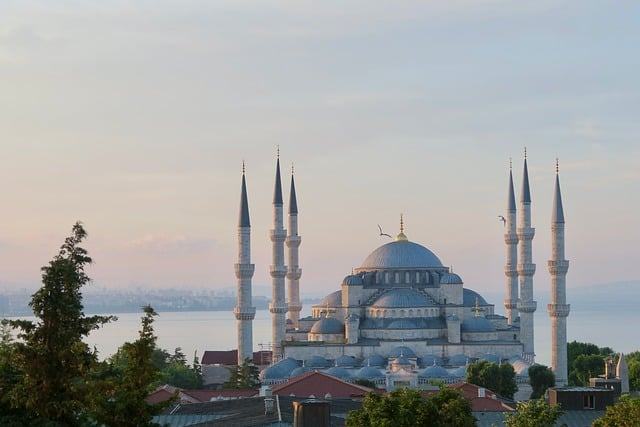
Istanbul
A sprawling metropolis featuring Hagia Sophia, the Blue Mosque, and the bustling Grand Bazaar. Take a Bosphorus ferry to admire the skyline connecting two continents.
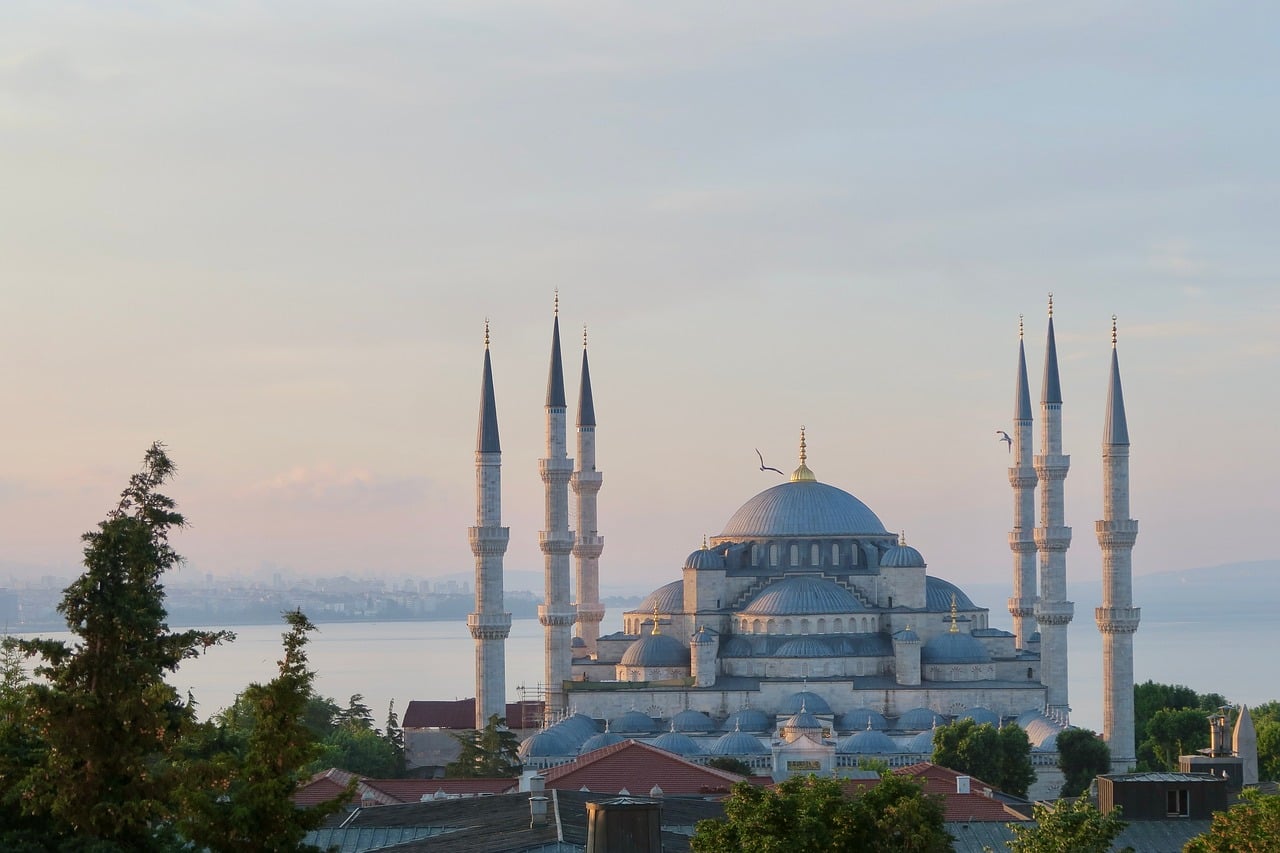
Europe · Where East meets West across ancient wonders and stunning coastlines.
Turkey bridges Europe and Asia with a rich tapestry of ancient history, vibrant bazaars, and scenic coastlines. Travelers will find centuries-old architecture, hot air balloon flights, and warm hospitality at every turn. It is an ideal destination for history buffs, outdoor adventurers, and passionate food lovers alike.
April to May and September to October offer pleasant temperatures and manageable crowds across most regions. These shoulder months avoid the sweltering summer heat in central and southern Turkey.
Blooming tulips, moderate crowds, and great conditions for sightseeing.
High peak season on coastal beaches, crowded attractions, and higher hotel rates.
Comfortable sea temperatures, fewer tourists, and ideal hiking conditions.
Low season with snowy landscapes in Cappadocia, quiet cities, and cheaper rates.
A sprawling metropolis featuring Hagia Sophia, the Blue Mosque, and the bustling Grand Bazaar. Take a Bosphorus ferry to admire the skyline connecting two continents.
Famed for its surreal fairy chimneys, cave dwellings, and sunrise hot air balloon rides over Göreme. Underground cities like Derinkuyu offer fascinating historical explorations.
One of the best-preserved ancient Greco-Roman cities in the Mediterranean near Selçuk. Highlights include the grand Library of Celsus and the vast amphitheater.
Famous for its striking white travertine terraces formed by mineral-rich thermal spring waters. The ancient spa ruins of Hierapolis sit directly above the terraces.
A stunning coastal resort hub bordered by the Taurus Mountains and azure Mediterranean waters. Explore the historic Kaleiçi old town or relax along picturesque pebble beaches.
A relaxed bohemian coastal town beloved for scuba diving, charming bougainvillea-covered streets, and boat excursions. It serves as a quiet base for exploring Lycian rock tombs.
Fly between Istanbul and Cappadocia, then travel westward across central Anatolia to the Aegean coast using domestic flights or express buses.
Plan this routeRent a car to navigate the scenic D400 coastal highway, stopping for boat cruises and ancient ruins.
Plan this routeCombine high-speed trains, scenic coastal drives, and short regional flights to experience Turkey's imperial history, landscapes, and beaches.
Plan this routeBooking internal flights and popular activities like Cappadocia ballooning well in advance helps secure the best rates.
Skewered and grilled cuts of spiced lamb, beef, or chicken served with flatbread, grilled peppers, and onions.
A variety of flavorful cold and warm sharing plates including roasted eggplant, hummus, and stuffed vine leaves.
Delicate, flaky layers of filo pastry filled with chopped pistachios or walnuts and soaked in sweet syrup.
Crispy, boat-shaped baked flatbread topped with molten cheese, spiced ground meat, sucuk, or fresh vegetables.
Strong black tea served piping hot in tulip glasses, or finely ground unfiltered coffee brewed traditionally.
Domestic flights are frequent, affordable, and the quickest way to cover long distances between Istanbul, Cappadocia, and coastal cities. Intercity buses are modern, clean, and offer comprehensive routes connecting even small rural villages. High-speed train lines operate efficiently between Istanbul, Ankara, and Konya, while rental cars work best along coastal highways.
Yes, Turkey is generally safe and hospitable for solo women travelers. Practicing standard travel common sense, dressing conservatively in religious sites, and taking registered yellow taxis will prevent most issues.
It is best to withdraw Turkish Lira from bank ATMs upon arrival, though carrying emergency Euros or US Dollars is useful. Major credit and debit cards work reliably in cities, but smaller shops prefer cash.
A stay of ten to twelve days provides sufficient time to see Istanbul, Cappadocia, and key coastal highlights like Ephesus. A shorter one-week trip should focus strictly on Istanbul and one other region.
Tap water is treated in major cities but is not recommended for drinking due to older piping and strong mineral taste. Most locals and tourists rely on bottled water for drinking.
Everyday casual clothing is completely acceptable across modern cities and beach towns. When visiting active mosques or rural conservative areas, keep your knees and shoulders covered.
Get flights, hotels and a day-by-day plan across cities, made for you.
Start planningAI-written guide, last updated 2026-10-08. Check visa rules, prices and opening times before you go. Photos: Konevi, Walkerssk on Pixabay.