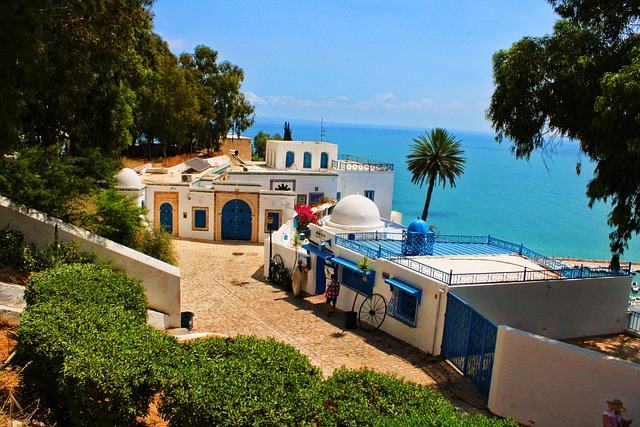
Sidi Bou Said
A cliffside village overlooking the Gulf of Tunis, famed for its brilliant white-and-blue architecture, cobbled alleys, and scenic cafes.
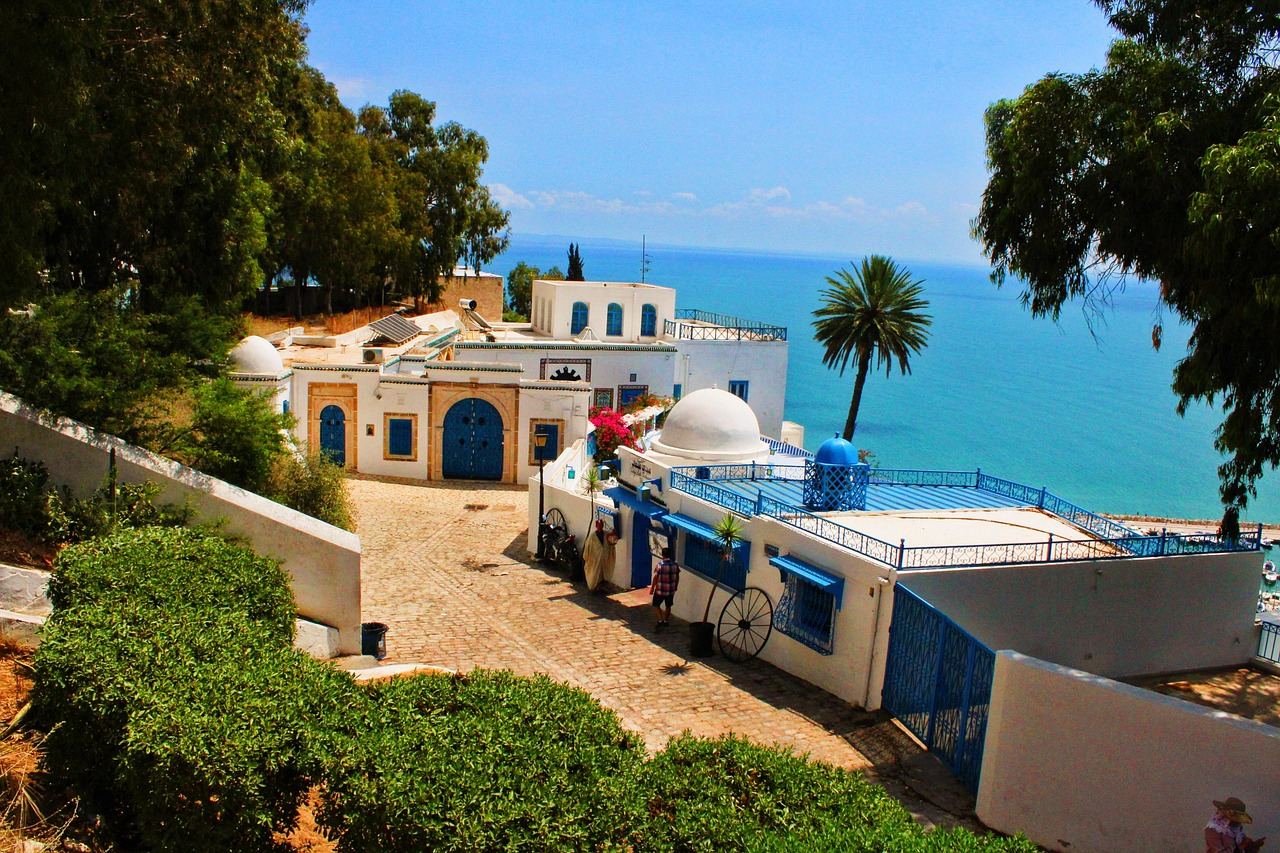
Africa · Ancient Roman ruins meet golden Sahara dunes and Mediterranean shores.
Tunisia packs an astonishing mix of ancient Roman history, golden Mediterranean beaches, and sweeping Sahara landscapes into a compact, accessible country. Culture seekers will marvel at exceptionally preserved ruins and vibrant medinas, while outdoor lovers can venture into desert canyons and troglodyte villages. It is an ideal destination for curious, budget-conscious travelers seeking rich North African heritage without overwhelming tourist crowds.
The best time to visit is from March to May and September to November, when temperatures are pleasant for exploring ancient ruins and Sahara excursions.
Perfect for sightseeing and desert trips; moderate crowds and reasonable accommodation rates.
Peak season for beach resorts in Djerba and Hammamet; very hot for inland desert exploration.
Ideal conditions across the country; comfortable desert nights and thinning crowds.
Low season with the cheapest rates; chilly along the Mediterranean but comfortable for desert touring.
A cliffside village overlooking the Gulf of Tunis, famed for its brilliant white-and-blue architecture, cobbled alleys, and scenic cafes.
An exceptionally preserved 3rd-century Roman colosseum that rivaled Rome's own arena in scale and architectural grandeur.
The legendary ancient Phoenician and Roman metropolis located right outside Tunis, featuring coastal ruins, baths, and historical sanctuaries.
A lush desert oasis town fronting a massive salt flat, famous for palm groves, red rock canyons, and Star Wars filming locations.
A striking Berber village known for subterranean troglodyte cave dwellings carved directly into the arid hillside.
A tranquil Mediterranean island featuring sandy beaches, ancient whitewashed synagogues, and a creative street art district in Erriadh.
Explore the historic capital and coastal gems before heading south to Islamic architecture and sandy shores. Travel conveniently between these northern stops via regular trains, shared louage vans, or private taxis.
Plan this routeJourney from coastal ruins into the dramatic dunes, cave dwellings, and oasis towns of the south. Renting a car or booking a guided 4x4 circuit is the best way to cover the desert distances efficiently.
Plan this routeFocus on the unique landscapes, Berber ksour fortresses, and desert culture of southern Tunisia. A rental car or private driver provides the most flexibility for exploring between oases and arid mountains.
Plan this routeTunisia is very affordable, but carry physical cash since card payments are often unavailable outside major hotels.
A delicate, crispy deep-fried pastry sheet folded around a whole egg, tuna, capers, and fresh parsley.
Steamed semolina topped with a spicy vegetable broth, chickpeas, and typically lamb or fresh Mediterranean fish.
A hearty, spicy chickpea soup flavored with garlic, cumin, olive oil, and harissa, poured over stale crusty bread.
A savory skillet dish of poached eggs in a rich tomato and pepper sauce, often spiced with merguez sausage.
Sweet, piping-hot green tea infused with fresh mint leaves and topped with toasted floating pine nuts.
Louages, which are shared white minivans with color-coded stripes, are the fastest and most popular way to travel between cities. The national rail network (SNCFT) comfortably links northern coastal cities like Tunis, Sousse, and Sfax at very low cost. Renting a car offers great freedom for touring the south and desert areas, where roads are generally paved and lightly trafficked.
Yes, Tunisia is generally welcoming and safe for solo travelers, including solo women, though you may receive occasional persistent attention in markets. Sticking to well-traveled routes, dressing modestly, and taking licensed taxis after dark ensures a smooth trip.
Tap water is treated in major cities, but high mineral content can upset sensitive stomachs. Most travelers stick to cheap, widely available bottled water or use a reusable bottle with an integrated filter.
Louages are shared minibuses operating from dedicated stations called Louage Stations without set departure times. You buy a ticket at the station booth for your destination and board the vehicle, which departs once all eight seats are filled.
While Arabic and French are the primary languages, younger Tunisians and tourism staff in hotels and museums increasingly speak English. Knowing a few basic French phrases will greatly ease your daily interactions.
Yes, you can reach the northern edge of the Sahara around Tozeur or Douz in a 3-day itinerary from Tunis. For a more relaxed experience, consider booking an inland domestic flight between Tunis and Tozeur or Djerba.
Get flights, hotels and a day-by-day plan across cities, made for you.
Start planningAI-written guide, last updated 2026-10-08. Check visa rules, prices and opening times before you go. Photos: filipstraznicky, jorono on Pixabay.