Serengeti National Park
Famous for the annual Great Migration of millions of wildebeest and zebras across sweeping golden savannas. It offers some of Africa's best predator sightings all year round.
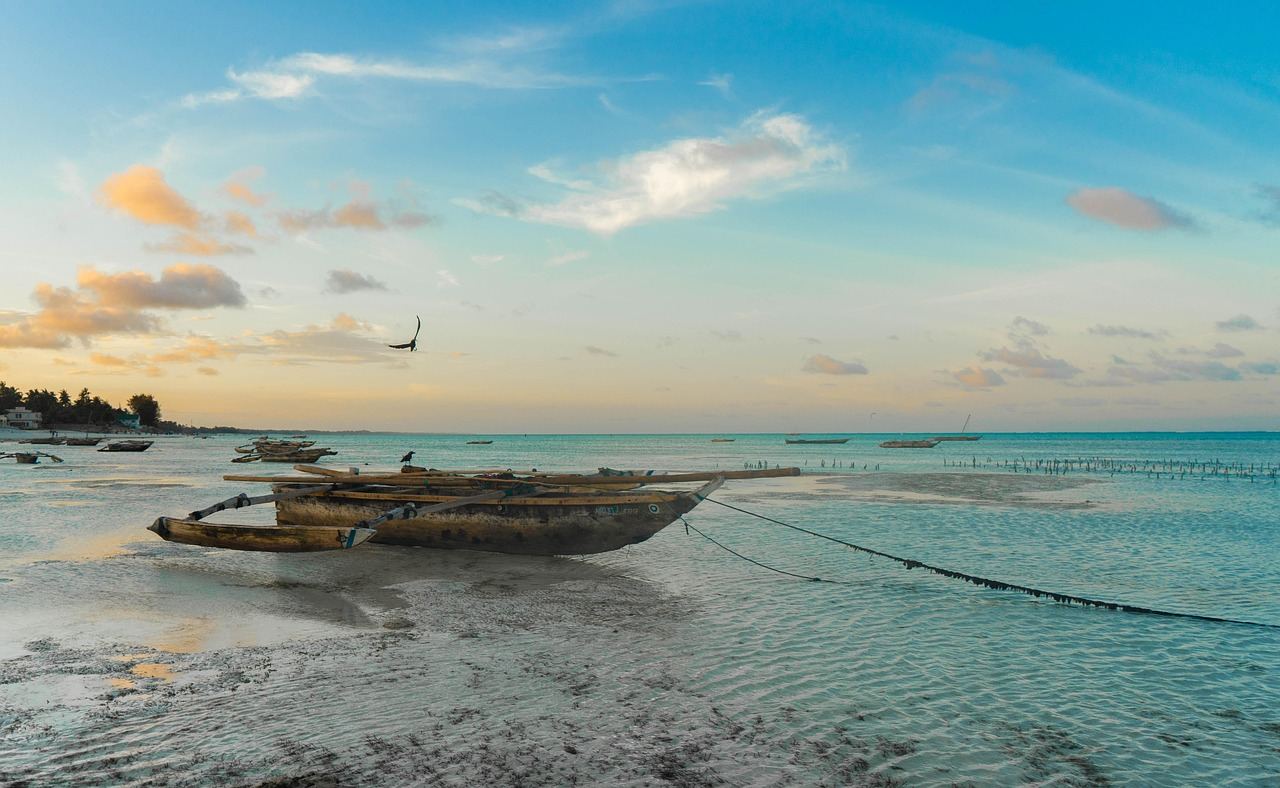
Africa · Epic wildlife safaris, towering peaks, and idyllic turquoise Indian Ocean beaches.
Tanzania is home to the world's most dramatic wildlife spectacles alongside the snow-capped peak of Mount Kilimanjaro and Zanzibar's spice-scented shores. From tracking the Great Migration across the Serengeti to unwinding on powder-white beaches, every region offers breathtaking natural wonder. It is a dream destination for wildlife enthusiasts, mountain trekkers, and beach lovers alike.
The best time to visit is from July to October during the dry season, when wildlife viewing is prime and river crossings occur. January and February are also excellent for witnessing the wildebeest calving season in the southern Serengeti.
Peak safari season with high prices and busy parks, but premier wildlife spotting around waterholes.
Lush green landscapes, fewer tourists, and excellent conditions for birdwatching.
Great for the southern Serengeti calving season and summit attempts on Kilimanjaro.
Low season with discounted lodge rates, though some remote camps close and roads turn muddy.
Famous for the annual Great Migration of millions of wildebeest and zebras across sweeping golden savannas. It offers some of Africa's best predator sightings all year round.
A massive, intact volcanic caldera teeming with dense wildlife populations including endangered black rhinos and giant tuskers. The dramatic crater rim views provide an unforgettable safari backdrop.
Africa's highest summit rises above the plains, offering adventurous hikers a trek through diverse climatic zones. Reaching Uhuru Peak is one of the world's ultimate non-technical climbing achievements.
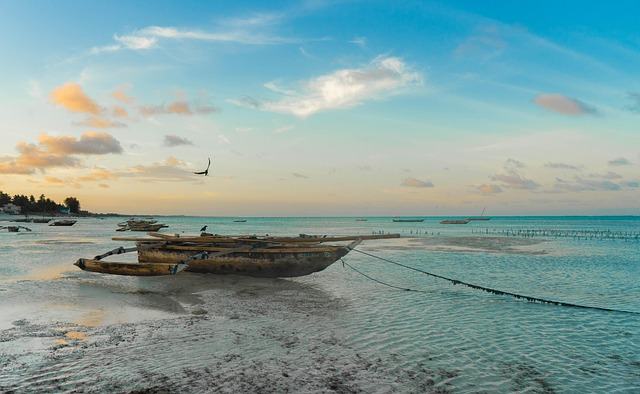
An idyllic island paradise renowned for historic Stone Town's winding alleys and fragrant spice plantations. Its east coast features powdery white-sand beaches, vibrant coral reefs, and turquoise lagoons.
Celebrated for its iconic ancient baobab trees and massive elephant herds wandering along the Tarangire River. It provides exceptional dry-season wildlife viewing with fewer crowds than northern neighbors.
One of Africa's largest protected wilderness areas, known for boat safaris on the Rufiji River and wild dog packs. It offers a remote, unhurried safari experience far off the beaten track.
Experience the quintessential wildlife adventure across iconic parks using a 4x4 safari vehicle with a guide. Finish with a scenic bush flight back to Arusha from a Serengeti airstrip.
Plan this routeCombine world-class game drives in the northern circuit with relaxation on Zanzibar's tropical coastline. Connect between the mainland safari airstrips and Zanzibar via short domestic flights.
Plan this routeExplore untamed southern parks featuring boat cruises, walking safaris, and vast predator populations. Travel between camps aboard scheduled bush planes departing from Dar es Salaam.
Plan this routeSafari excursions include substantial mandatory park fees, so joining group departures significantly reduces total travel costs.
A staple dense cornmeal porridge typically served warm alongside rich meat stews and braised greens.
Succulent, slow-roasted goat or beef grilled over open coals and served with spicy kachumbari tomato salad.
A unique street-food crepe stuffed with minced meat, egg, cheese, and vegetables, fried crisp on a griddle.
A beloved Tanzanian comfort dish consisting of a french-fry omelet served hot with chili sauce.
Skewered marinated beef, chicken, or goat grilled over charcoal with fragrant East African spices.
Domestic scheduled bush flights with carriers like Coastal Aviation or Auric Air connect major parks, mainland cities, and Zanzibar quickly. For road journeys, private 4x4 safari vehicles operated by licensed driver-guides are the safest and most practical standard. Public express buses link major cities, while modern high-speed ferries smoothly connect Dar es Salaam and Zanzibar.
Yes, Tanzania is politically stable and welcoming to tourists, particularly within dedicated safari circuits and resort areas. Standard safety precautions against petty theft should be taken in major cities like Dar es Salaam and Arusha. On safari, always heed your guide's instructions regarding wildlife proximity.
A yellow fever vaccination certificate is strictly required if you are arriving from or transiting through a country with risk of yellow fever transmission for more than 12 hours. Travelers arriving directly from non-endemic countries generally do not require proof, but regulations can shift. It is safest to carry your vaccination card if you are traveling multi-country in Africa.
The Great Migration is a year-round circular movement of over a million animals across the ecosystem. Mara River crossings in the north typically happen from July to October, while the calving season in the southern plains peaks between January and March. Movement depends on rainfall patterns, so exact dates vary each year.
Yes, Mount Kilimanjaro is a trekking peak that does not require technical climbing gear or mountaineering expertise. However, good physical fitness and proper altitude acclimatization over longer routes like Lemosho or Machame are vital for success. The primary challenge is coping with altitude sickness rather than the steepness of the trails.
Pack lightweight, breathable layers in earth tones like beige, tan, and olive green to blend into the wilderness. Bring a warm fleece and windbreaker for early morning game drives and high-altitude areas like Ngorongoro. Binoculars, a good camera with a telephoto lens, reef-safe sunscreen, and insect repellent are also essential.
Get flights, hotels and a day-by-day plan across cities, made for you.
Start planningAI-written guide, last updated 2026-10-08. Check visa rules, prices and opening times before you go. Photos: klimentgrozdanoski, nike159 on Pixabay.