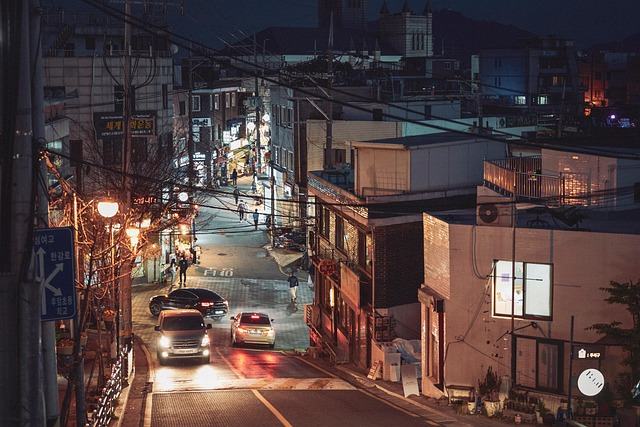
Seoul
South Korea's dynamic capital packed with historic Joseon royal palaces, futuristic design landmarks, and bustling night markets.
Asia · Where centuries of imperial heritage meet cutting-edge modern pop culture.
South Korea seamlessly blends ancient palaces and mountain temples with ultra-modern smart cities and vibrant pop culture. Food lovers, urban explorers, and outdoor enthusiasts will find unforgettable experiences around every corner. It is the perfect destination for curious travelers seeking rich history paired with exceptional twenty-four-hour convenience.
The best months to visit are April to May for cherry blossoms and September to November for crisp weather and stunning autumn foliage.
Peak cherry blossom crowds in early April; reserve hotels well in advance.
High domestic crowds at southern beaches, festival season, and occasional heavy rain.
Ideal travel weather, spectacular red and gold mountain foliage, and harvest celebrations.
Great ski conditions in Gangwon-do; low season in cities with cheaper accommodation.
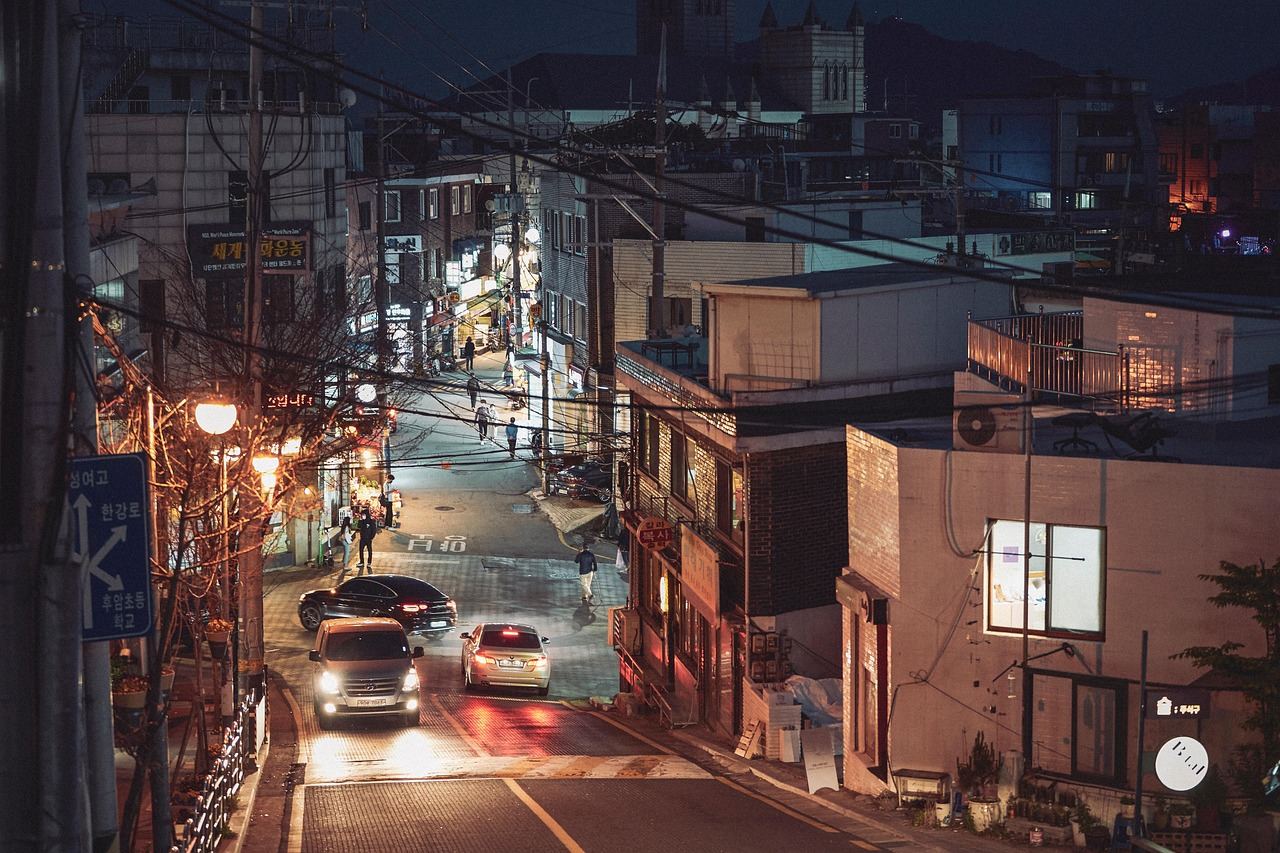
South Korea's dynamic capital packed with historic Joseon royal palaces, futuristic design landmarks, and bustling night markets.
A vibrant coastal metropolis famous for Haeundae Beach, the colorful hillside alleys of Gamcheon Culture Village, and fresh seafood markets.
The ancient capital of the Silla Kingdom, operating as an open-air museum filled with grassy royal burial mounds and historic temples.
A volcanic island paradise featuring scenic coastal walking trails, the Hallasan shield volcano, and dramatic underground lava tubes.
The culinary heart of Korea, renowned for its expansive traditional Hanok Village and authentic regional bibimbap.
A poignant historic border site offering profound educational insight into the Korean War and modern geopolitical division.
Connect between these iconic historical and coastal destinations in under three hours each using the high-speed KTX rail network.
Plan this routeJourney south across the mainland via comfortable express trains before taking a short domestic flight from Busan to Jeju Island.
Plan this routeExplore major cities and scenic southern coastlines utilizing KTX bullet trains and intercity express buses.
Plan this routeBuy a reloadable T-money transportation card right upon arrival to save money on buses, subways, and convenience stores.
Thick cuts of pork belly grilled directly at your table and wrapped in lettuce leaves with savory ssamjang paste.
A nutritious bowl of steamed rice topped with assorted seasoned vegetables, chili paste, sliced meat, and a fried egg.
Chewy cylindrical rice cakes simmered in a sweet and spicy gochujang broth, widely sold by street vendors.
Crispy double-fried chicken coated in sweet garlic or spicy sauce, enjoyed alongside a cold draught beer.
Comforting handmade knife-cut wheat noodles served in a steaming bowl of rich anchovy or seafood broth.
The fastest way to travel between major cities is the KTX bullet train network, connecting Seoul to Busan in under three hours. For regional destinations off the rail grid, clean and comfortable express buses run frequent schedules. Jeju Island is easily reached via short, frequent domestic flights departing from Seoul Gimpo or Busan.
English is widely displayed on public transit signage and spoken by staff in major tourist zones and hotels. In smaller towns or local neighborhood restaurants, using a translation app like Papago makes communication simple.
Credit cards are accepted nearly everywhere across South Korea, including taxis and small shops. You will only need cash to top up public transit cards and to buy snacks from traditional street stalls.
Tap water is treated and completely safe to drink across the country. However, most locals still prefer to drink filtered water from purifiers or bottled water purely for taste preference.
Dining vegetarian can be challenging because many dishes include fish sauce or meat-based broths. Seek out Buddhist temple food restaurants and use vegan dining apps in major cities for reliable options.
Essential smartphone apps include Naver Map for walking navigation, Papago for quick translations, and Kakao T for easily hailing local taxis without language barriers.
Get flights, hotels and a day-by-day plan across cities, made for you.
Start planningAI-written guide, last updated 2026-10-08. Check visa rules, prices and opening times before you go. Photos: rmsep4, AKuptsova on Pixabay.