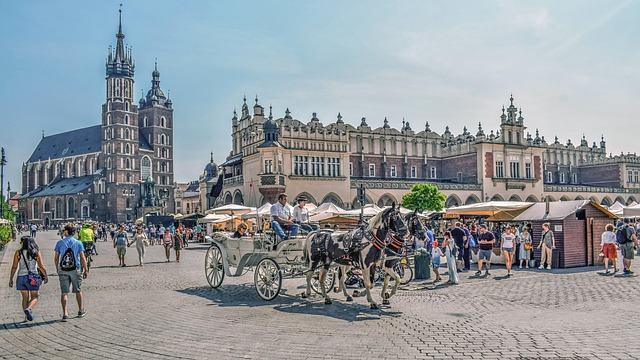
Kraków Old Town & Wawel Castle
A remarkably preserved UNESCO World Heritage site centered on Europe's largest medieval market square and an imposing royal castle.
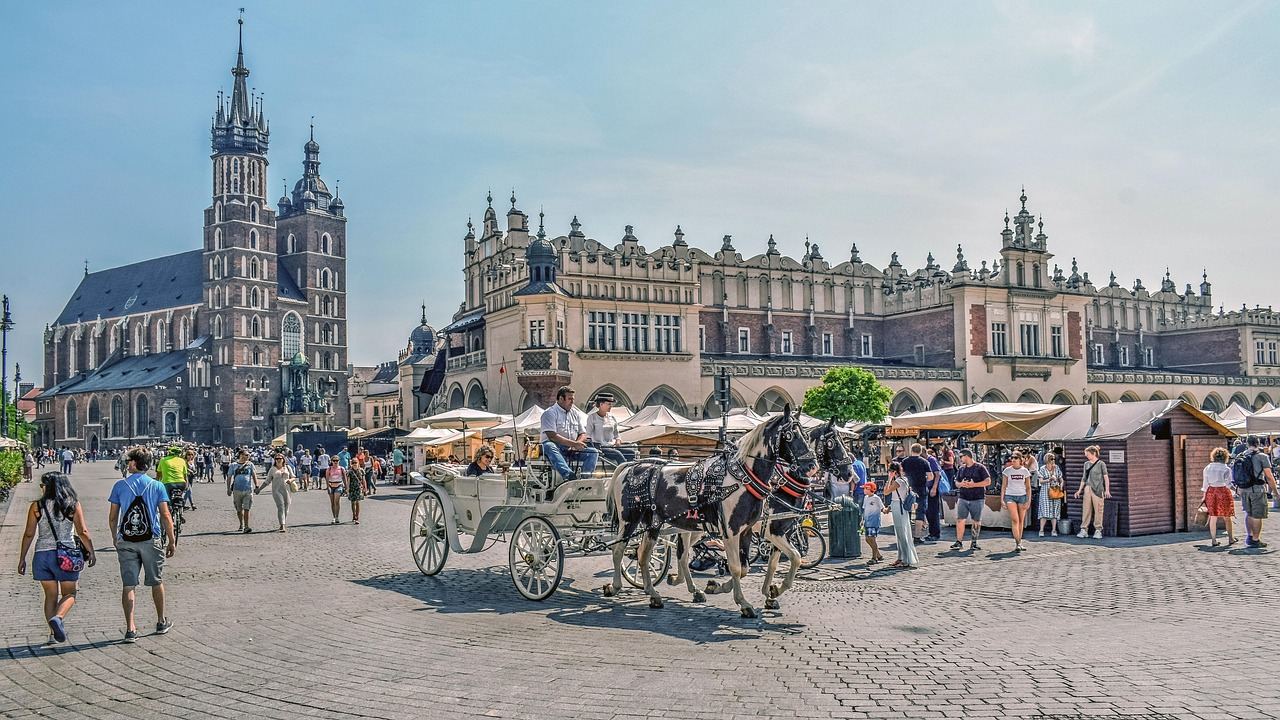
Europe · Fairy-tale castles, vibrant culture, and rich history with remarkable European value.
Poland blends beautifully preserved medieval old towns with a forward-looking, dynamic cultural scene. Travelers will find deeply moving history, hearty comfort food, and diverse landscapes stretching from Baltic beaches to alpine peaks. It is an ideal destination for history buffs, outdoor lovers, and budget-conscious adventurers alike.
The best time to visit Poland is from May to September, when temperatures are comfortably warm and daylight hours are long. May, June, and September offer the finest weather with fewer crowds than midsummer.
Lower hotel rates and pleasant blossoming parks, though early spring can bring occasional rain.
Peak tourist season with bustling outdoor beer gardens, though coastal towns and mountains get crowded.
Spectacular golden foliage in national parks and ideal sightseeing conditions before late autumn chill.
Festive Christmas markets and budget-friendly city breaks, along with active ski seasons in the Tatras.
A remarkably preserved UNESCO World Heritage site centered on Europe's largest medieval market square and an imposing royal castle.
Poland's resilient capital pairs a painstakingly rebuilt historic core with cutting-edge cultural museums and a buzzing culinary scene.
A scenic Baltic port city celebrated for its amber workshops, maritime legacy, and picturesque Dutch-influenced merchant facades.
A charming university city spread across canals and bridges, famous for Gothic architecture and hundreds of whimsical bronze dwarfs.
Poland's premier mountain escape along the southern border, offering dramatic alpine ridges, glacial lakes, and traditional wooden lodges.
The largest brick castle in the world, this sprawling 13th-century fortress offers an awe-inspiring look into medieval Teutonic history.
Connect three distinct iconic cities via Poland's fast PKP Intercity rail network. This journey balances royal heritage, poignant 20th-century history, and coastal maritime flair.
Plan this routeTravel by train and regional bus through southwest Poland to combine vibrant architectural gems with high-altitude mountain hiking. It is an ideal route for photography, folklore, and nature lovers.
Plan this routeRide direct rail lines from the capital to the UNESCO-listed gingerbread town of Toruń before reaching the Baltic shore. This relaxed itinerary highlights regional crafts and Baltic heritage.
Plan this routeEating at traditional milk bars (bar mleczny) provides delicious, homemade Polish meals for just a few dollars.
Classic dumplings stuffed with savory potatoes and cheese, minced pork, sauerkraut, or sweet summer berries.
A comforting, sour fermented rye soup packed with sliced kiełbasa sausage, hard-boiled eggs, and aromatic marjoram.
A rich, slow-simmered hunter's stew featuring sauerkraut, shredded fresh cabbage, dried mushrooms, and assorted tender meats.
Crisp, golden potato pancakes typically served savory with rich goulash and sour cream, or dusted with sugar.
A nostalgic street-food favorite consisting of a toasted open-faced baguette loaded with mushrooms, melted cheese, and ketchup.
Traveling across Poland is straightforward thanks to the punctual, affordable PKP Intercity express rail system connecting all key regions. Long-distance coaches like FlixBus link smaller regional towns where train lines are less frequent. Renting a car is best suited for countryside escapes, such as exploring the Masurian Lake District or the Bieszczady Mountains.
Poland remains one of the best-value travel destinations in Europe, far more affordable than Western neighbors. Modest spending easily covers comfortable boutique lodging, quality dining, and long-distance trains.
Yes, you will have no trouble communicating in English in major tourist centers, hotels, and train stations. Learning a few polite Polish phrases such as 'dziękuję' (thank you) is always warmly appreciated by locals.
Poland is widely considered one of Europe's safest countries for solo travelers, boasting low violent crime rates and reliable transit. Standard urban precautions, like watching personal belongings in crowded stations, are sufficient.
Tickets for PKP Intercity trains generally open 30 days before departure on their official website. Booking early secures seat reservations and promotional discounts on popular routes between Warsaw and Kraków.
Card and contactless smartphone payments are virtually universal, accepted in convenience stores, taxis, and small cafes. You will only need small coins for coin-operated pay toilets or traditional open-air markets.
Get flights, hotels and a day-by-day plan across cities, made for you.
Start planningAI-written guide, last updated 2026-10-08. Check visa rules, prices and opening times before you go. Photos: dimitrisvetsikas1969 on Pixabay.