Milford Sound
A majestic fiord surrounded by sheer rock faces and cascading waterfalls within Fiordland National Park.
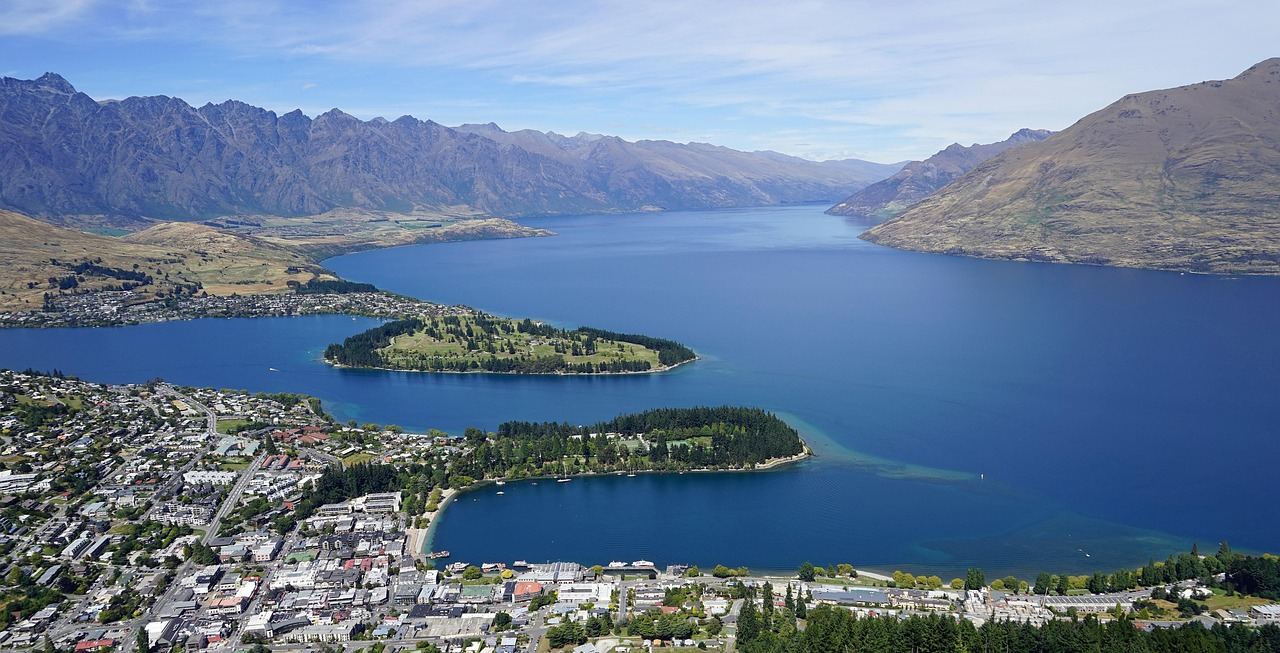
Oceania · Epic alpine peaks, lush fiords, and endless outdoor adventures await you.
New Zealand is an outdoor paradise known for dramatic landscapes, vibrant Maori culture, and pristine national parks. Nature lovers, thrill-seekers, and road-trippers will feel right at home exploring its two diverse islands. Whether you want world-class hiking or relaxing coastal vineyards, this welcoming country offers an unforgettable escape.
The best time to visit is from December to February for warm summer weather and prime hiking conditions. Shoulder months like March, April, October, and November offer pleasant temperatures with fewer crowds.
Peak tourist season with highest accommodation prices and lively beach towns.
Gorgeous foliage in Central Otago, moderate crowds, and harvest festivals.
Peak ski season around Queenstown and Wanaka with lower coastal crowds.
Blooming flowers, active waterfalls, newborn lambs, and shoulder-season pricing.
A majestic fiord surrounded by sheer rock faces and cascading waterfalls within Fiordland National Park.
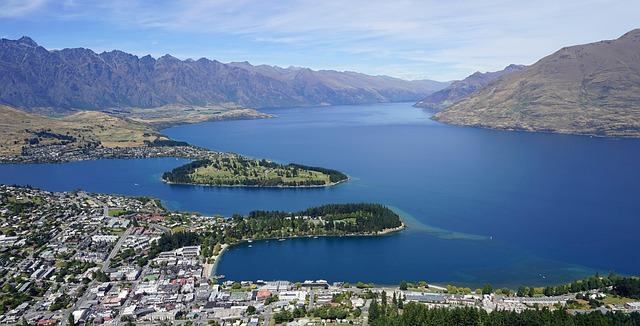
The global adventure capital offering bungee jumping, jet boating, and world-class lake views.
A geothermal wonderland famous for bubbling mud pools, natural hot springs, and Maori cultural experiences.
New Zealand's highest peak featuring stunning turquoise glacial lakes and international dark sky reserves.
A coastal haven celebrated for golden sand beaches, sea kayaking, and scenic coastal hiking trails.
A maritime park boasting over 140 subtropical islands, rich marine wildlife, and historic treaty grounds.
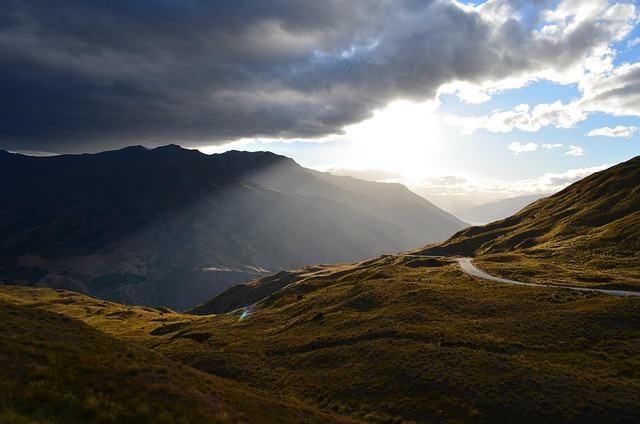
Travel by rental car or campervan to experience rugged mountains, glaciers, and scenic alpine roads.
Plan this routeConnect major cultural hubs and volcanic sights easily by car or intercity buses along well-paved highways.
Plan this routeDrive across both islands and cross the Cook Strait via the scenic Interislander vehicle ferry.
Plan this routeRenting a self-contained campervan allows you to combine your transport and accommodation expenses.
A traditional Maori feast of meats and root vegetables slow-cooked in an underground earth oven.
Plump, native coastal mussels commonly steamed in white wine, garlic, and herbs.
A popular crisp meringue dessert with a soft marshmallow center topped with cream and fruit.
A flaky handheld pastry stuffed with minced beef, rich gravy, and melted cheese.
A velvety espresso drink made with smooth microfoam milk popularized in local cafes.
Renting a car or campervan provides the best flexibility to explore scenic routes and remote national parks. Reliable domestic flights link major cities across both islands, while passenger ferries connect Wellington to Picton. Long-distance buses operate along primary corridors, though scenic passenger train routes are limited.
Yes, campervanning is extremely popular and well-supported by extensive holiday parks and designated sites. Ensure your vehicle is certified self-contained to follow local freedom camping regulations.
At least three weeks is ideal to properly explore major highlights on both islands without rushing. If you have under two weeks, focusing on either the North or South Island is recommended.
Electronic card payments are standard and accepted virtually everywhere, including small rural shops. Carrying a small amount of cash is only necessary for rural honesty-box farm stands.
New Zealand is ranked among the safest countries in the world for solo travelers. Basic safety precautions still apply, particularly registering your outdoor hiking plans before heading into the bush.
You can take a scenic vehicle and passenger ferry between Wellington and Picton in around three hours. Alternatively, short direct domestic flights connect major cities like Auckland, Wellington, and Christchurch.
Get flights, hotels and a day-by-day plan across cities, made for you.
Start planningAI-written guide, last updated 2026-10-09. Check visa rules, prices and opening times before you go. Photos: Barni1, MayaGorsky on Pixabay.