Mexico City
A high-altitude metropolis packed with world-class museums, sprawling historic plazas, and cutting-edge dining.
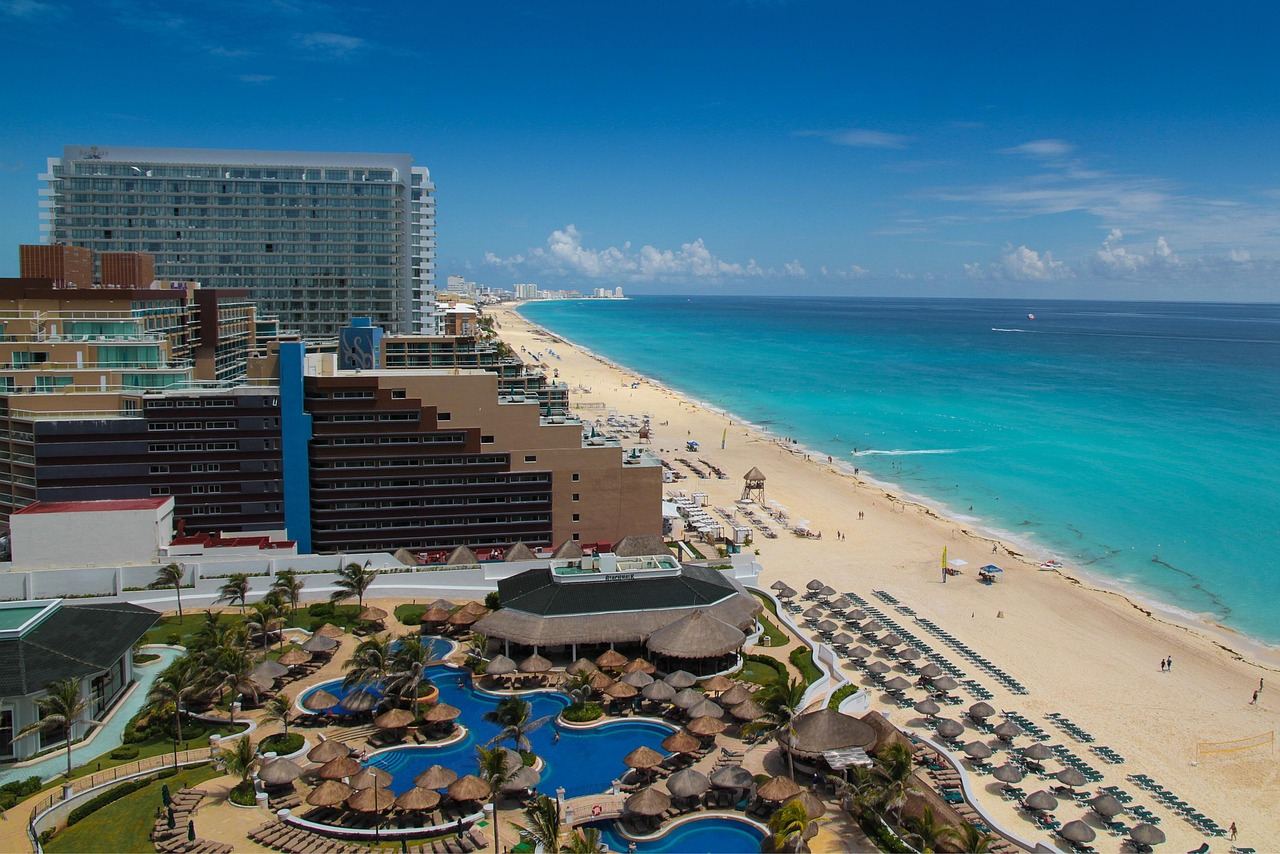
North America · Vibrant culture, ancient wonders, and unforgettable flavors across sun-drenched landscapes.
Mexico enchants visitors with its rich indigenous heritage, stunning colonial architecture, and world-renowned culinary scene. From crystalline Caribbean waters to dramatic highland mountains, every region offers a completely distinct experience. It is the perfect destination for food lovers, history buffs, and sun seekers alike.
The best time to visit is from December to April when the weather is warm, sunny, and dry across most regions.
Peak season brings vibrant holiday festivals, busy beach resorts, and higher accommodation prices.
Great for cultural sightseeing before rainy season, though Holy Week brings massive domestic travel crowds.
Afternoon showers are common, but travelers enjoy lush green scenery, fewer crowds, and lower hotel rates.
Storm risks fade by late October, leading up to festive Day of the Dead celebrations nationwide.
A high-altitude metropolis packed with world-class museums, sprawling historic plazas, and cutting-edge dining.
The culinary and artistic soul of southern Mexico, celebrated for indigenous markets, mole, and artisanal mezcal.
Marvel at iconic Maya pyramids before taking a swim in freshwater jungle cenotes and strolling colonial streets.
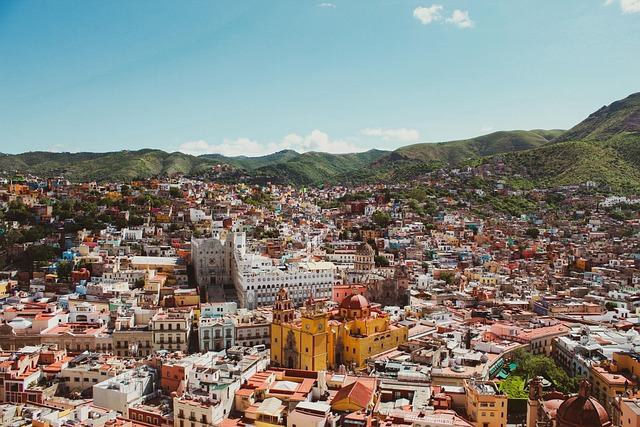
A UNESCO-listed highland town filled with pastel baroque architecture, leafy courtyards, and vibrant art galleries.
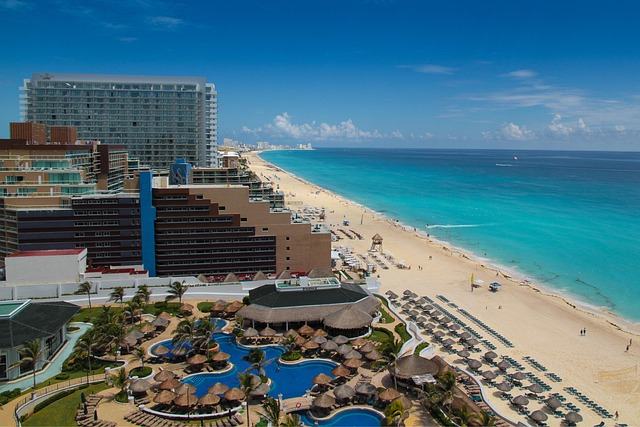
Picturesque coastal ruins overlooking turquoise Caribbean waters, complemented by soft white-sand beaches.
A dramatic network of rugged canyons in Chihuahua, famously explored via the scenic Chepe passenger train.
Travel smoothly between major cultural hubs using frequent, comfortable first-class intercity buses.
Plan this routeHop between historic cities, cenotes, and coastal beaches utilizing the Maya Train network or a rental car.
Plan this routeJourney comfortably through historic silver-mining cities via executive bus lines departing regularly from northern capital terminals.
Plan this routeAlways pay vendors in Mexican pesos rather than US dollars to avoid poor exchange rates and surprise markups.
Spit-roasted marinated pork shaved into warm corn tortillas and garnished with pineapple, onions, and fresh cilantro.
A complex, savory-sweet artisanal sauce blending roasted chilies, chocolate, and spices, usually served over tender chicken.
Crisp corn tortilla wedges tossed in warm salsa, topped with crumbly cheese, Mexican crema, onions, and fried eggs.
A comforting hominy soup simmered with seasoned pork or chicken and served with lime, radishes, and shredded cabbage.
A traditional smoky distilled agave spirit crafted in artisanal palenques and served alongside orange slices dusted with chili.
Domestic flights connect distant cities quickly and affordably on carriers like Volaris, VivaAerobus, and Aeroméxico. For regional overland travel, first-class intercity bus lines such as ADO, ETN, and Primera Plus offer spacious and reliable service. In the southeast, the Maya Train connects key archaeological sites and coastal hubs throughout the Yucatán Peninsula.
Tap water is generally not safe for drinking throughout Mexico. Most hotels, cafes, and restaurants provide filtered water, and sealed bottled water is inexpensive and easy to find everywhere.
No, you can easily navigate major tourist hotspots, airports, and beach destinations using English. However, knowing a few polite Spanish basics will make daily interactions smoother and more pleasant.
Yes, millions of solo travelers visit Mexico every year without issue by staying alert and sticking to populated areas. Use app-based taxis at night, keep valuables discreet, and ask locals for advice on neighborhood safety.
The official hurricane season runs from June through November along both the Pacific and Caribbean coasts. Tropical storms peak between August and October, so monitor regional weather forecasts if visiting beaches during late summer.
Credit cards work seamlessly at supermarkets, hotels, and established restaurants in cities. You will still need cash pesos for open-air markets, street taco stands, public transportation, and small tips.
Get flights, hotels and a day-by-day plan across cities, made for you.
Start planningAI-written guide, last updated 2026-10-09. Check visa rules, prices and opening times before you go. Photos: jarmoluk, maddyjaya on Pixabay.