Valletta
Malta's fortified Baroque capital features dramatic Grand Harbour views, historic bastions, and the lavish St. John's Co-Cathedral.
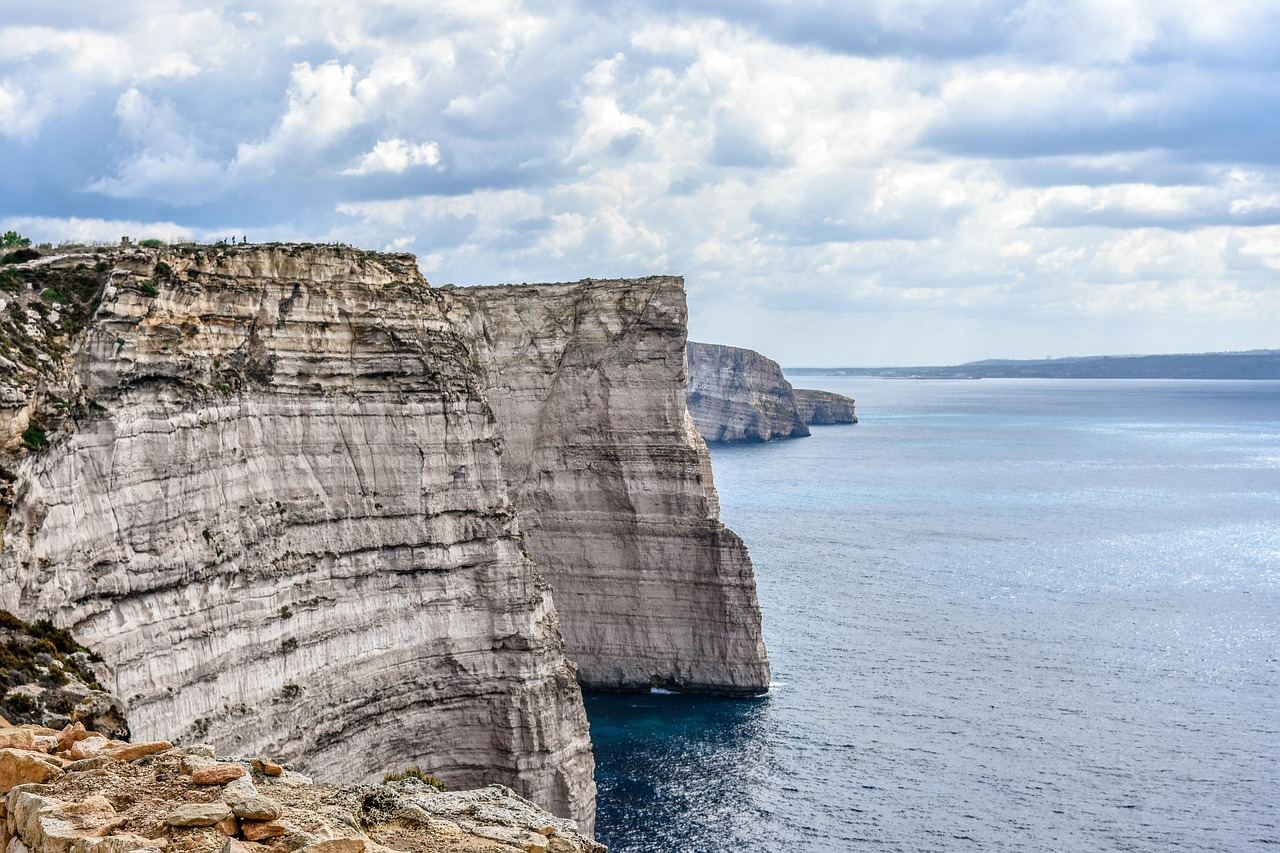
Europe · Sun-drenched Mediterranean history, crystal-clear coves, and timeless honey-colored stone fortresses.
Malta packs over 7,000 years of captivating history into a compact, sun-drenched Mediterranean archipelago. Visitors can wander through fortified medieval citadels, swim in luminous turquoise bays, and explore prehistoric megalithic temples. It is the ultimate escape for culture seekers, scuba divers, and travelers who love scenic, easily walkable destinations.
The best time to visit is from April to June and September to October. These months offer warm, sunny weather and pleasant sea temperatures without the intense midsummer heat and crowds.
Perfect for hiking and sightseeing with moderate crowds and reasonable hotel rates.
Peak beach season featuring lively village feasts, packed attractions, and high accommodation rates.
Excellent for swimming through October, with thinning crowds and pleasant evening breezes.
Lowest prices and uncrowded streets, though some windy and rainy days occur.
Malta's fortified Baroque capital features dramatic Grand Harbour views, historic bastions, and the lavish St. John's Co-Cathedral.
Known as the Silent City, this ancient hilltop citadel is famous for its serene, car-free stone alleys and medieval architecture.
A sheltered coastal inlet between Comino and Cominotto that boasts striking cyan waters ideal for swimming and snorkeling.
The historic heart of Gozo offers a dramatically restored fortified acropolis with panoramic 360-degree views across rural landscapes.
A traditional southern fishing village celebrated for its colorful luzzu boats and lively outdoor seafood market.
A cluster of majestic coastal sea caverns on the southern coast known for phosphorescent water and scenic boat tours.
Explore historic capitals and coastal harbors using the public bus network, supplemented by a scenic 25-minute ferry crossing to Gozo.
Plan this routeFocus on central and southern Malta using regular passenger ferries and quick app-based taxi rides between key historic sites.
Plan this routeTake advantage of coastal passenger ferries, day cruises, and local buses to connect Malta's finest swimming spots and sister islands.
Plan this routeSave money on transport and food by using multi-day bus passes and grabbing freshly baked pastizzi for quick lunches.
Flaky, diamond-shaped pastries traditionally filled with either warm ricotta cheese or spiced mushy peas.
A rich, slow-cooked traditional rabbit stew simmered with garlic, red wine, tomatoes, and aromatic herbs.
A crusty Maltese sourdough bread ring typically stuffed with tuna, capers, olives, tomatoes, and olive oil.
A distinctive bittersweet Maltese soft drink brewed from bitter chinotto oranges and aromatic wormwood extracts.
A fragrant, garlicky Maltese fish soup cooked with ripe tomatoes, mint, rice, and fresh lemon juice.
Extensive public bus routes operated by Malta Public Transport serve both Malta and Gozo affordably. Frequent passenger ferries link Valletta with Sliema, the Three Cities, and Gozo, while ride-hailing apps like Bolt are convenient for direct trips. Driving is on the left side of the road, but tight streets and limited parking make buses or taxis preferable for most visitors.
A rental car is not necessary for most travelers because Malta has an extensive and inexpensive public bus network. Driving can be stressful due to heavy traffic, narrow historic roads, and scarce parking in major tourist hubs. Renting a car is primarily worthwhile if you plan to explore remote coves and quiet corners of Gozo.
Tap water in Malta is safe to drink, but it is desalinated seawater and carries a noticeable mineral flavor. Many visitors prefer using filtered tap water or purchasing bottled water for taste reasons. Most restaurants serve bottled still or sparkling water with meals.
A trip of five to seven days is ideal to experience the main sights across Malta, Gozo, and Comino without rushing. A shorter four-day visit allows you to see Valletta, Mdina, and the Three Cities comfortably. A full week gives you leisure time to hike coastal cliffs, swim, and spend two full days on Gozo.
You can take the Gozo Channel ferry from Cirkewwa in northern Malta, which carries vehicles and foot passengers in about 25 minutes. Alternatively, fast passenger catamarans run directly between the Grand Harbour in Valletta and Mgarr Harbor in Gozo in under 45 minutes. Both services run frequently throughout the day and into the late evening.
Malta offers moderate prices compared to Western European destinations, with affordable public transit and reasonably priced local bakeries. Dining and lodging costs rise considerably during the July and August peak summer season. Visiting in the shoulder season provides outstanding value for boutique accommodations and tours.
Get flights, hotels and a day-by-day plan across cities, made for you.
Start planningAI-written guide, last updated 2026-10-08. Check visa rules, prices and opening times before you go. Photos: Alehandra13, Magdalenalena on Pixabay.