Malé
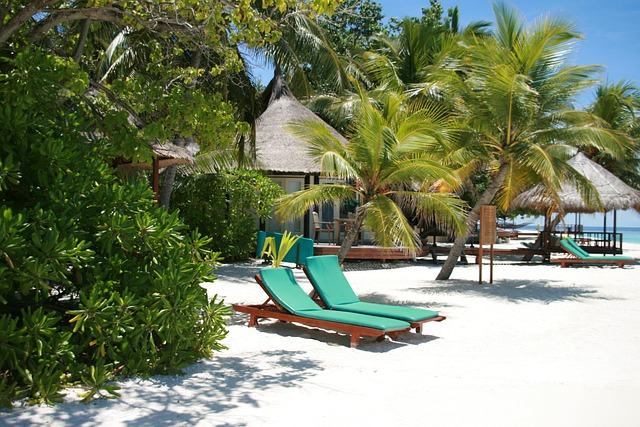
The compact, buzzing capital features historic coral-stone mosques, vibrant fish markets, and authentic local street life.
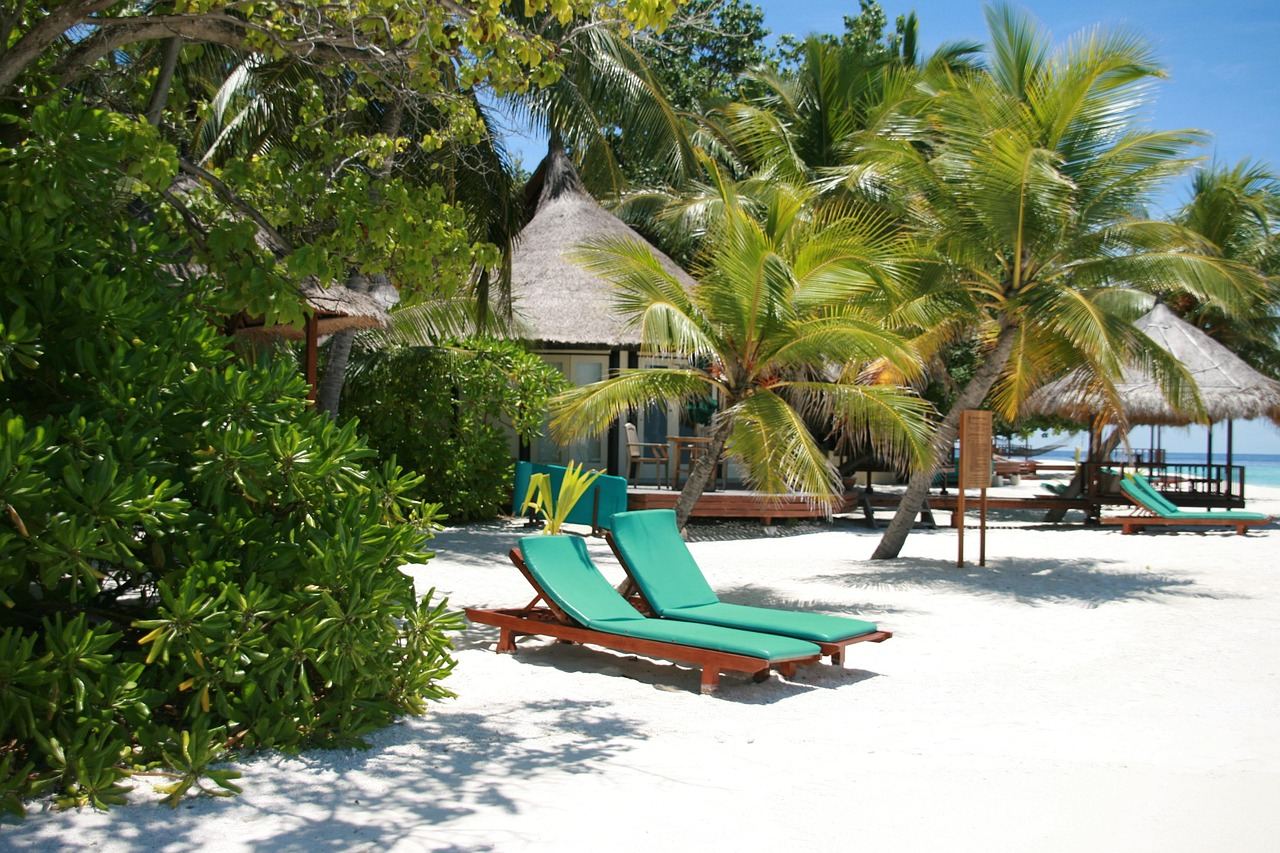
Asia · Tropical paradise of turquoise lagoons, vibrant coral reefs, and overwater villas.
The Maldives is an archipelago of over a thousand coral islands renowned for breathtaking turquoise lagoons and abundant marine life. It is the dream destination for honeymooners, scuba divers, and travelers seeking unrivaled tropical relaxation. Whether staying in an overwater villa or a charming local island guesthouse, visitors will experience world-class natural beauty.
The best time to visit is between November and April during the dry northeast monsoon. This period brings minimal rainfall, calm seas, and peak underwater visibility for diving and snorkeling.
Peak tourist crowds and highest accommodation rates, offering the calmest seas.
Very warm water temperatures, with slightly lower hotel rates before the wet season starts.
Lowest resort prices of the year; excellent conditions for surfing and manta ray spotting.
Great travel deals until late December, with fantastic diving conditions and rising holiday demand.
The compact, buzzing capital features historic coral-stone mosques, vibrant fish markets, and authentic local street life.
A UNESCO Biosphere Reserve celebrated for Hanifaru Bay, where giant congregations of manta rays and whale sharks gather.
One of the premier dive locations worldwide, famous for year-round whale shark encounters and thriving coral reefs.
The pioneer hub of local island tourism, offering budget-friendly guesthouses, lively cafes, and daily ocean excursions.
Renowned for the natural bioluminescent phenomenon where glowing phytoplankton illuminate the shorelines after dark.
The southernmost atoll featuring linked islands connected by causeways, historic British military relics, and quiet bike trails.
Travel between inhabited islands via scheduled speedboats and public ferries to experience authentic Maldivian culture and pristine sandbanks on a budget.
Plan this routeHop between secluded private island resorts via scenic seaplanes and luxury speedboats to experience overwater living and world-class marine reserves.
Plan this routeTravel by liveaboard yacht or domestic flights and speedboats to dive world-famous channels, swim with nurse sharks, and search for whale sharks.
Plan this routeStaying in guesthouses on local islands significantly lowers accommodation, dining, and transfer expenses compared to private resorts.
A signature breakfast mix of shredded smoked tuna, grated fresh coconut, chili, and lime served with roshi flatbread.
A fragrant, traditional clear tuna broth served steaming hot alongside rice, lime wedges, and fiery chili.
A crisp, fried pastry roll stuffed with sautéed spiced cabbage, hard-boiled eggs, and sliced onions.
A savory baked fish cake crafted from smoked tuna, scraped coconut, ground rice, and aromatic curry leaves.
Sweet, strong black tea commonly enjoyed during afternoon teatime alongside an assortment of savory finger snacks.
Transport between islands relies exclusively on water and air. Speedboats and public ferries connect nearby islands in the central atolls, while distant resorts require scenic seaplane flights or domestic turboprop aircraft. Public ferries do not run on Fridays and journeys can be rescheduled during rough sea conditions.
Yes, staying in guesthouses on local islands like Maafushi or Dhigurah makes the country very affordable. Public ferries and local cafes keep costs manageable while providing access to the exact same crystal waters. Travelers can still book sandbank and snorkeling excursions for a fraction of resort prices.
Overwater villas offer an iconic bucket-list experience, but beachfront villas are often more spacious and offer direct sand access. Many travelers split their stay between a beach bungalow and a water villa to save money while enjoying both styles. Beach villas are also generally safer and more practical for families traveling with young children.
The Maldives is an Islamic nation, so alcohol is strictly illegal on local inhabited islands and in the capital city of Malé. However, private resort islands and liveaboard safari boats possess special licenses to serve alcohol freely. Bringing duty-free alcohol through the airport is prohibited and bottles will be confiscated upon arrival.
Your accommodation must arrange all transfers ahead of arrival, as independent taxis cannot navigate the water. Resorts near the airport use 24-hour speedboats, while distant atolls require daylight-only seaplane flights or domestic connections. Transfer costs can be substantial, so always confirm these fees before finalizing your bookings.
Private resorts occupy an entire island, offering secluded luxury, licensed bars, and relaxed resort wear everywhere. Local islands allow travelers to experience traditional Maldivian community life, boutique guesthouses, and designated tourist bikini beaches under modest local laws. Combining both options provides an enriching balance of authentic culture and premium island relaxation.
Get flights, hotels and a day-by-day plan across cities, made for you.
Start planningAI-written guide, last updated 2026-10-08. Check visa rules, prices and opening times before you go. Photos: ruledis21, Ruedlinger on Pixabay.