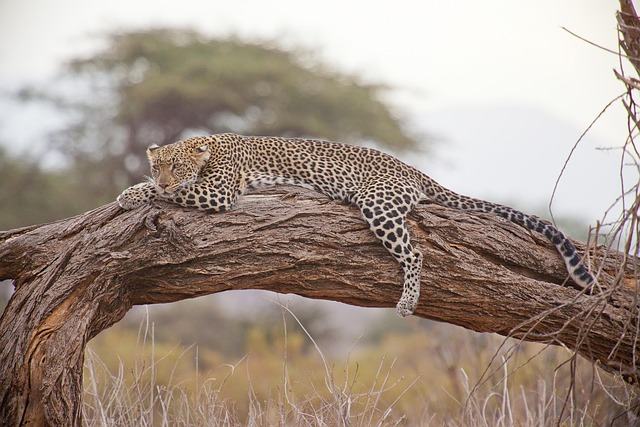
Maasai Mara National Reserve
World-famous savannah celebrated for dense predator populations and the dramatic annual wildebeest river crossings.
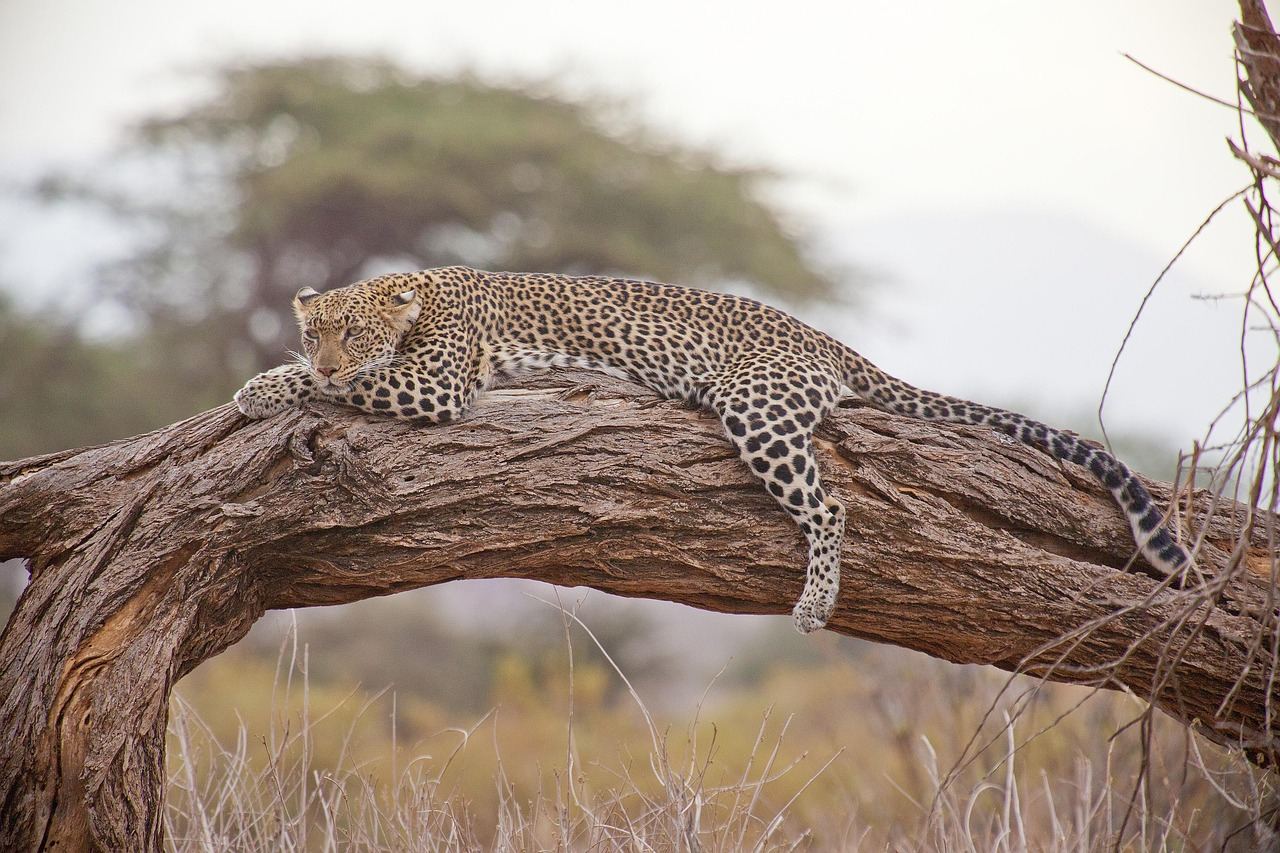
Africa · Epic wildlife safaris, dramatic rift valleys, and pristine Indian Ocean shores.
Kenya offers some of the planet's greatest wildlife encounters alongside vibrant tribal cultures and tropical white-sand coastlines. From the thundering herds of the Great Migration in the Maasai Mara to the tranquil waters of Diani Beach, the landscapes are endlessly diverse. It is a dream destination for wildlife enthusiasts, adventurous families, and couples seeking unforgettable scenery.
July to October is ideal for witnessing the Great Migration and peak wildlife viewing, while January to February offers dry, warm weather and excellent birdwatching.
Peak safari season with high crowds and higher accommodation rates.
Lush landscapes, migratory birds arrive, and tourist crowds thin out.
Great beach conditions, clear skies, and excellent game viewing.
Lowest lodge prices, though unpaved safari tracks can become muddy.
World-famous savannah celebrated for dense predator populations and the dramatic annual wildebeest river crossings.
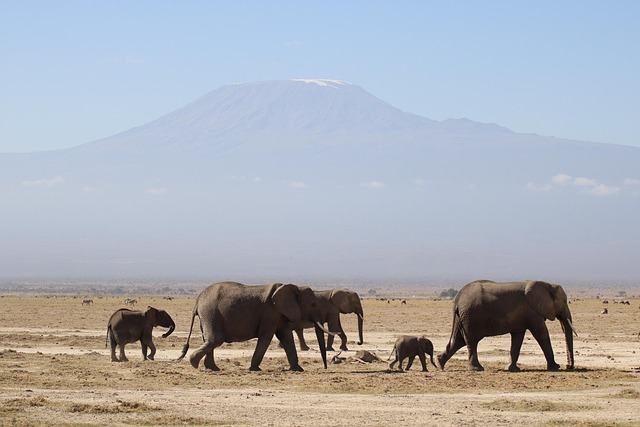
Renowned for giant free-ranging elephant herds grazing with snow-capped Mount Kilimanjaro rising in the background.
A relaxed coastal paradise featuring powder-white sands, turquoise Indian Ocean waters, and offshore coral reefs.
A scenic Rift Valley haven known for protected black and white rhinos, Rothschild giraffes, and abundant birdlife.
A rugged northern wilderness home to rare northern species including the Grevy's zebra and reticulated giraffe.
A peaceful UNESCO-listed Swahili coastal town where donkeys and wooden dhow boats replace motorized transport.
Travel between destinations in a private pop-top 4x4 safari cruiser, or take a quick bush flight back to Nairobi.
Plan this routeExperience premier southern parks by road before catching the Madaraka Express train or a short flight to the Indian Ocean.
Plan this routeJourney overland through conservation highlands, followed by a domestic coastal flight to historic Lamu.
Plan this routeNational park conservation entry fees make up a significant portion of daily safari expenses.
A traditional stiff cornmeal porridge served warm alongside rich meat stews and braised greens.
Tender grilled goat or beef roasted over hot coals and eaten with fresh tomato and onion relish.
Collard greens gently simmered with onions, tomatoes, and fragrant spices for a comforting side dish.
Fragrant coastal spiced rice layered with marinated chicken or beef, reflecting centuries of Indian Ocean trade.
Fluffy, triangular fried dough pastries subtly spiced with cardamom and served alongside sweet milk chai.
The modern Madaraka Express train provides a fast, comfortable link between Nairobi and Mombasa. For safari reserves, most travelers hire an organized 4x4 vehicle with a driver-guide or take short domestic flights aboard light aircraft. Long-distance buses connect major regional towns, though highway journeys can be slow and bumpy.
Yes, Kenya welcomes hundreds of thousands of safari tourists every year and dedicated tourism police secure key routes. Standard city precautions apply in Nairobi and Mombasa, such as using verified ride apps at night and keeping valuables out of sight.
A yellow fever vaccination certificate is mandatory if you are arriving from a country with risk of yellow fever transmission. It is also routinely advised by medical authorities for those traveling into rural safari regions.
The herds typically arrive in the Maasai Mara from Tanzania around late July and stay through October. River crossings are natural and unpredictable events, so planning three to four days in the reserve offers the best chance to witness one.
Safari camps and large hotels gladly accept US dollars, provided the bills were printed after 2013 and have no tears. For day-to-day shopping, street dining, and local market tips, you will need Kenyan Shillings or M-Pesa.
Soft-sided duffel bags are strongly advised because light bush aircraft enforce strict 15-kilogram limits with tight baggage holds. Hard-shell rolling suitcases are difficult to pack into safari vehicle boots and light airplanes.
Get flights, hotels and a day-by-day plan across cities, made for you.
Start planningAI-written guide, last updated 2026-10-08. Check visa rules, prices and opening times before you go. Photos: ejakob, Lucka1313 on Pixabay.