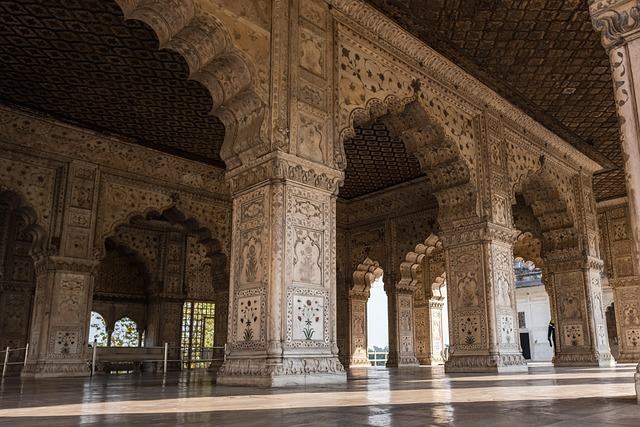
Taj Mahal, Agra
This iconic white marble mausoleum stands as a breathtaking monument of eternal Mughal romance. Arrive at sunrise for softer light and smaller crowds.
Asia · An intoxicating journey through ancient wonders, vibrant colors, and unforgettable flavors.
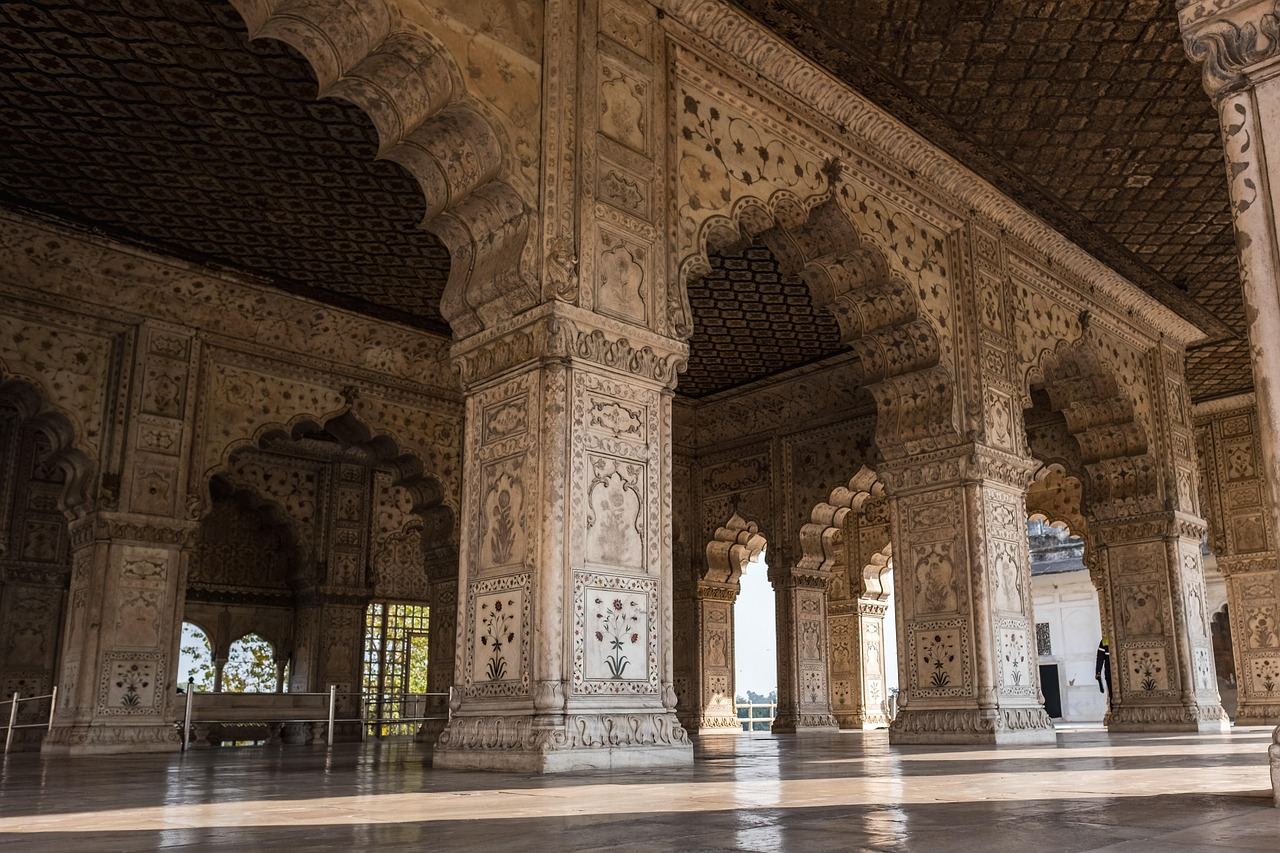
India is an electrifying destination where centuries-old temples, royal palaces, and serene landscapes collide with modern energy. It offers immense cultural diversity, spiritual depth, and some of the world's finest culinary traditions. Adventurous backpackers, culture enthusiasts, and history lovers will all find endless fascination across its diverse regions.
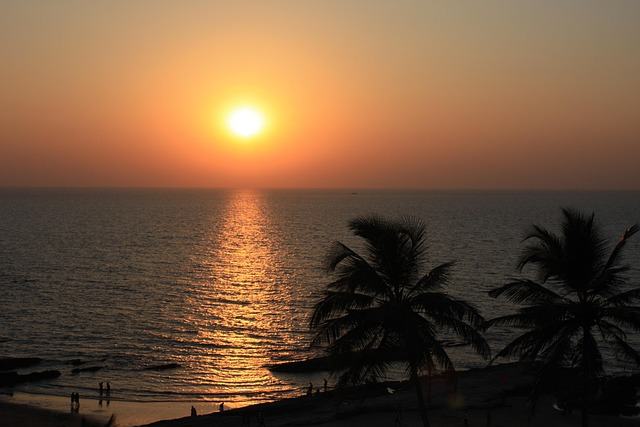
The best time to visit is from October to March when temperatures are comfortably cool across most regions. This dry window provides ideal conditions for exploring cities, forts, and beaches.
Peak travel season with pleasant sightseeing weather, bustling markets, and major festivals.
Low season across the plains with hotel deals, though Himalayan hill stations offer cool relief.
Lush green countryside and lower prices, though flooding can disrupt regional transit.
Monsoon retreats, clearing skies for early-season sightseeing and lively harvest festivals.
This iconic white marble mausoleum stands as a breathtaking monument of eternal Mughal romance. Arrive at sunrise for softer light and smaller crowds.
The famed Pink City features hilltop forts, grand palaces, and chaotic bazaars packed with handcrafted textiles. Amber Fort and Hawa Mahal are must-see architectural marvels.
One of the world's oldest living cities sits along the sacred River Ganges. Witness daily life and spiritual Ganga Aarti ceremonies unfold along the ghats.
A tranquil network of palm-fringed canals, lagoons, and lakes best explored aboard a traditional houseboat. It offers a relaxing, verdant contrast to India's bustling northern cities.
A high-altitude desert framed by dramatic Himalayan peaks and ancient Tibetan Buddhist monasteries. It is ideal for trekking, mountain passes, and stunning alpine lakes.
A sensory whirlwind of spice markets, historic mosques, and street food stalls. Jama Masjid and Chandni Chowk provide a quintessential historic Indian city experience.
India's premier introductory circuit, connecting bustling historic capitals with iconic Mughal and Rajput monuments. Travel between cities effortlessly via express train or private hire driver.
Plan this routeExplore colonial port history, misty tea plantations, tranquil backwaters, and dramatic coastal cliffs in Kerala. Connect these destinations comfortably using local taxis, private transfers, or scenic trains.
Plan this routeImmerse yourself in desert forts, opulent palaces, and romantic lakeside heritage across northern India. Travel via domestic flights, overnight sleeper trains, or hire an experienced private driver.
Plan this routeAlways carry small paper notes for street food, tips, and auto-rickshaw rides.
Tender tandoori chicken simmered in a mildly spiced, buttery tomato sauce paired with hot tandoor-baked flatbread.
A crisp fermented rice-and-lentil crepe rolled around spiced potatoes, served with coconut chutney and tangy sambar.
Fragrant basmati rice layered with marinated meat, fried onions, and whole spices, slow-cooked in a sealed pot.
A diverse family of savory street snacks combining crispy fried dough, potatoes, chickpeas, yogurt, and tangy tamarind chutney.
Black tea brewed directly with milk, sugar, and warming spices like cardamom, ginger, and cloves.
Domestic flights efficiently bridge long distances between major metropolitan hubs. The Indian Railways network is an affordable, scenic way to travel between regional cities, though tickets should be booked weeks in advance. For local exploration and shorter transfers, app-based cabs like Uber and Ola or private hired drivers provide the most convenience.
India is generally welcoming, but solo travelers should take practical precautions. Stick to well-traveled routes, book reputable transport, and avoid arriving at unfamiliar stations late at night.
Loose, lightweight cotton clothing that covers shoulders and knees is best. Carrying a light scarf is convenient for covering your head when entering shrines or temples.
Eat freshly cooked food from busy establishments with high turnover, peel your own fresh fruit, and stick to bottled or filtered water. Wash your hands frequently and carry hand sanitizer.
No, cards are primarily accepted in major hotels, modern malls, and upscale restaurants. You will still need cash for transport, entry fees, tips, and street markets.
Popular train routes and air-conditioned classes often sell out weeks in advance. Reserve early via the IRCTC portal or use tourist quota tickets once you arrive.
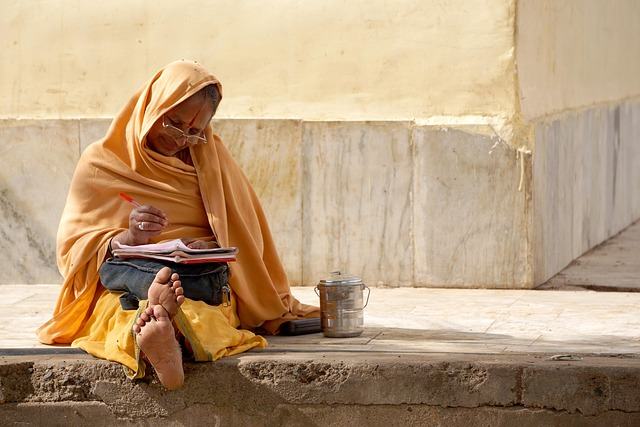
Get flights, hotels and a day-by-day plan across cities, made for you.
Start planningAI-written guide, last updated 2026-10-08. Check visa rules, prices and opening times before you go. Photos: enjoytheworld, JonHoefer on Pixabay.