Paris
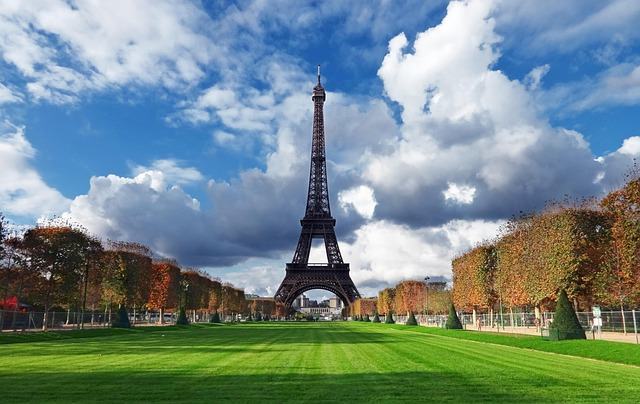
The romantic capital famous for the Eiffel Tower, the Louvre, and charming café-lined boulevards.
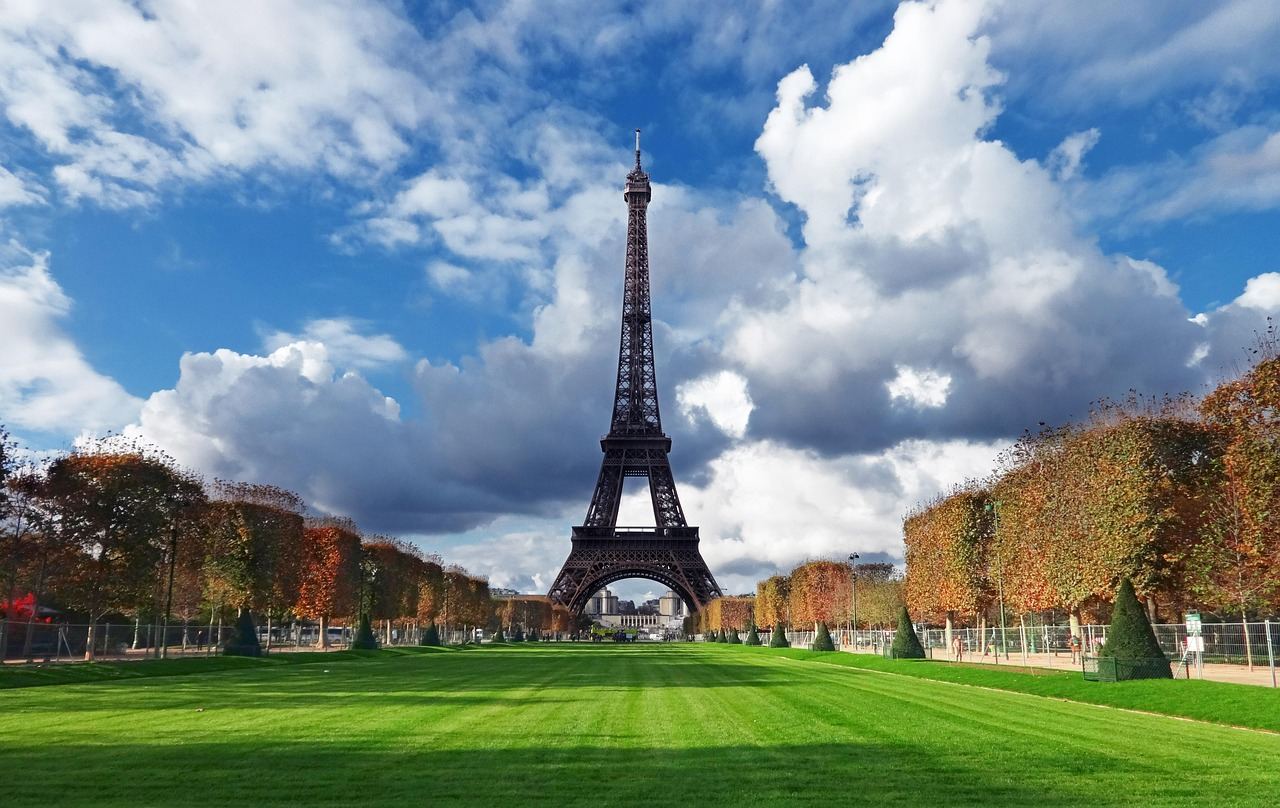
Europe · Timeless art, world-class cuisine, and romantic landscapes across every region.
France offers an unmatched blend of iconic culture, storybook villages, and world-renowned gastronomy. Whether you are exploring Parisian art museums or sipping wine among sun-drenched vineyards, each corner has distinct charm. It is a dream destination for food lovers, history enthusiasts, and romantic travelers alike.
May to June and September to October offer pleasant weather and manageable crowds across most regions. These shoulder months let you enjoy outdoor cafés and sightseeing without summer heatwaves.
Moderate crowds, rising hotel prices, and ideal conditions for gardens.
Peak tourist season, beach crowds, higher prices, and vibrant festivals.
Grape harvest season, stunning fall foliage, and thinning crowds.
Ski season in the Alps, festive Christmas markets, and lower city rates.
The romantic capital famous for the Eiffel Tower, the Louvre, and charming café-lined boulevards.
A dramatic tidal island crowned by a medieval abbey rising out of the Normandy coast.
The glamorous Mediterranean coastline offering pebble beaches, azure waters, and cliffside towns like Nice.
A lush river region celebrated for fairytale Renaissance châteaux and crisp white wines.
A picturesque southern region filled with lavender fields, olive groves, and historic hilltop villages.
A storybook border region famed for timber-framed houses, canal streets, and exceptional Riesling wines.
Travel quickly between cities using the high-speed TGV rail network. This journey pairs iconic Parisian landmarks with the gastronomic capital of Lyon and Mediterranean beaches.
Plan this routeConnect via regional TER and high-speed TGV trains or rent a car for château hopping. Enjoy world-class vineyards, historic castles, and vibrant southwestern food scenes.
Plan this routeHop between sun-drenched cities easily by rail or car along coastal highways. Revel in Roman ruins, lavender landscapes, and the sparkling French Riviera.
Plan this routeSave significantly on dining by ordering the fixed-price lunch menu ('menu du jour') at local bistros.
A flaky, buttery pastry that is quintessential for a traditional French breakfast.
A rich, slow-simmered beef stew cooked in red Burgundy wine with mushrooms and lardons.
A fragrant stewed vegetable dish from Provence made with eggplant, zucchini, peppers, and tomatoes.
Thin pancakes hailing from Brittany, served either savory with buckwheat or sweet with sugar.
A diverse selection of artisanal cheeses including creamy Brie, tangy Comté, and pungent Roquefort.
The extensive SNCF railway network, including high-speed TGV trains, is the fastest way to travel between major French cities. Regional TER trains and long-distance buses connect smaller towns affordably. Renting a car is best reserved for exploring rural areas like the Loire Valley or Provence.
Yes, English is widely spoken in tourist hotspots, hotels, and major transport hubs. However, learning courteous French basics like 'bonjour' and 'merci' will greatly improve your interactions with locals.
Credit and debit cards with contactless payment are accepted virtually everywhere, including small bakeries and taxis. Carrying 20 to 50 euros in cash is helpful for small markets or flea vendors.
Paris is very safe for solo travelers, including solo female visitors, at all hours in central districts. You should remain vigilant against opportunistic pickpocketing around major metro stations and crowded sights.
Pack comfortable walking shoes for cobblestone streets, smart-casual clothing for evening restaurants, and versatile layers. A lightweight scarf and an umbrella are always practical accessories across seasons.
Waiters typically leave you to enjoy your meal without hovering, as dining is meant to be relaxed. When you are ready to pay, you will need to politely ask for the bill ('l'addition, s'il vous plaît').
Get flights, hotels and a day-by-day plan across cities, made for you.
Start planningAI-written guide, last updated 2026-10-08. Check visa rules, prices and opening times before you go. Photos: mguzmas, pedroprovazio on Pixabay.