Santo Domingo's Zona Colonial
The Americas' oldest European settlement features cobblestone streets lined with 16th-century architecture, vibrant plazas, and cozy cafes.
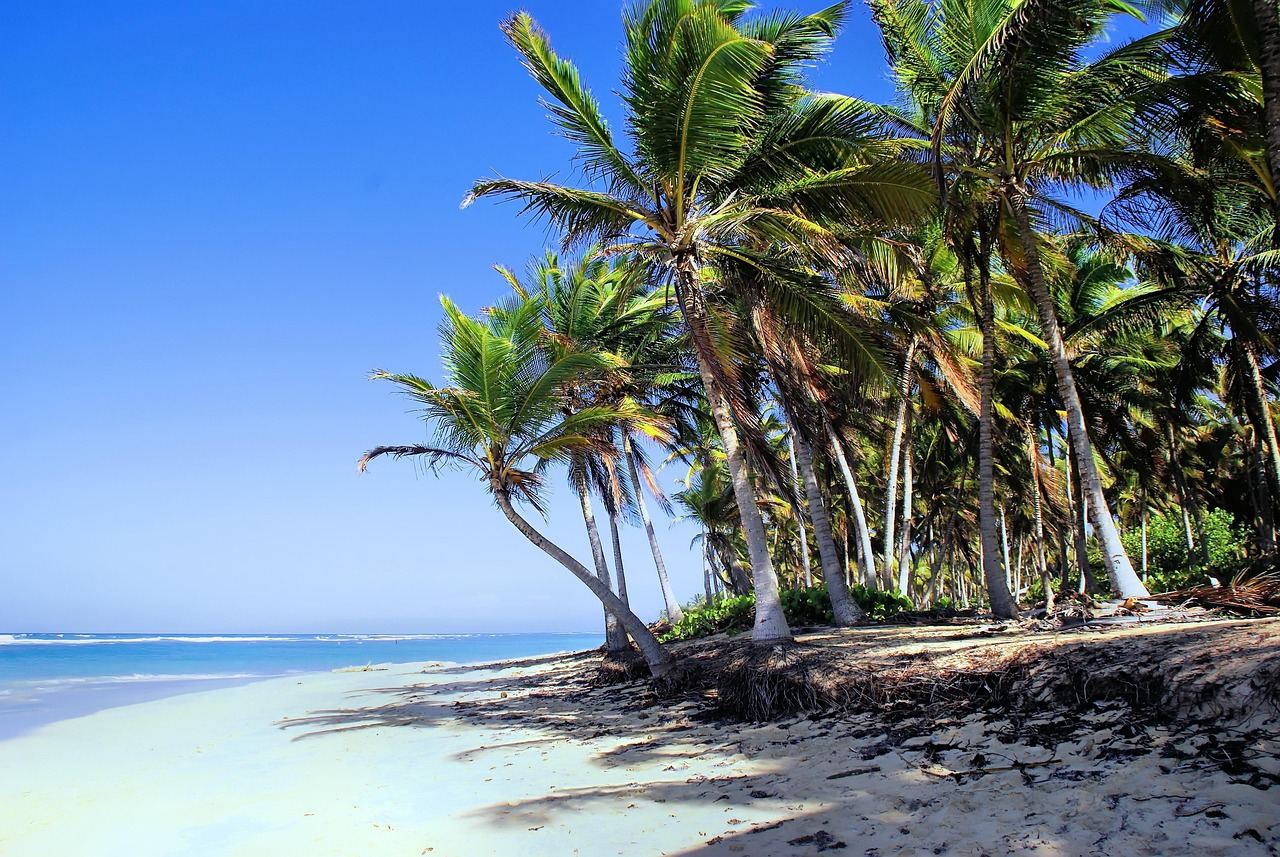
North America · Golden Caribbean beaches, lush mountain peaks, and vibrant colonial history.
The Dominican Republic blends sun-drenched tropical shorelines with the Caribbean's highest mountain ranges and oldest colonial settlements. It offers world-class kitesurfing, secluded palm-lined bays, and a rich musical heritage powered by bachata and merengue. Beach lovers, outdoor adventurers, and history enthusiasts will all find unforgettable experiences across the country.
December to April offers the sunniest and driest weather, ideal for beach lounging and whale watching in Samana Bay.
Peak tourist season with larger crowds, higher resort rates, and prime humpback whale watching.
Shoulder season bringing fewer crowds, lowering hotel rates, and warm water before summer rains.
Warmest seas and occasional tropical afternoon downpours, popular for watersports enthusiasts.
Peak of the Atlantic hurricane season with rain showers, but the lowest prices and empty beaches.
The Americas' oldest European settlement features cobblestone streets lined with 16th-century architecture, vibrant plazas, and cozy cafes.
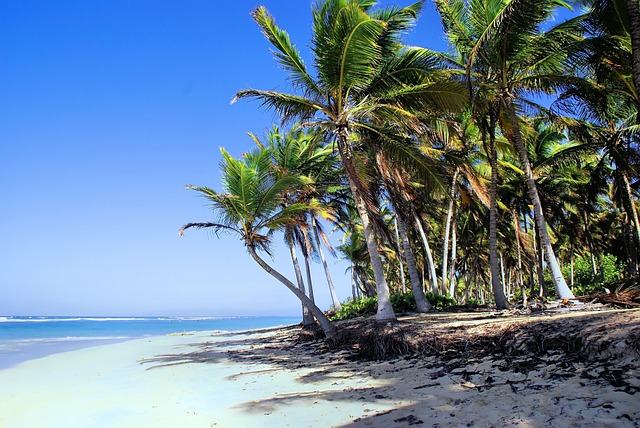
Renowned for expansive stretches of powdery white sand and turquoise water, this coastline is the epicenter of all-inclusive relaxation.
A lush peninsula famed for secluded bays like Playa Rincón, cascading jungle waterfalls, and seasonal whale watching.
A laid-back North Coast town world-famous for kitesurfing, windsurfing, and an energetic oceanfront dining scene.
Located in the Cordillera Central, this mountain retreat offers white-water rafting, pine forests, and refreshing alpine air.
An untouched, protected stretch of turquoise coast in the remote southwest, completely free of large commercial resorts.
Connect colonial heritage with eastern Caribbean shores using modern toll highways and comfortable private transfers.
Plan this routeExplore rugged northern beaches and lush rainforests using reliable long-distance buses and scenic coastal roads.
Plan this routeLoop across colonial cities, pine-clad mountain peaks, and world-class beaches via a rental SUV.
Plan this routeAll-inclusive resorts bundle expenses conveniently, while dining at local neighborhood comedores saves substantial money.
The national lunchtime classic featuring white rice, stewed red beans, and tender seasoned meat.
A traditional breakfast staple of mashed green plantains garnished with pickled red onions, salami, fried cheese, and eggs.
A rich, comforting stew combining several types of meat and native root vegetables, saved for special occasions.
Flaky, golden fried pastries filled with savory ground beef, shredded chicken, or melted cheese.
A traditional artisanal spiced drink brewed from rum, red wine, honey, and native tree barks.
Intercity journeys are dependable and cheap using modern air-conditioned coach lines like Caribe Tours and Metro ST. Renting a car allows freedom to discover remote beaches, though local driving styles can be assertive and night driving should be avoided. In cities like Santo Domingo and Santiago, rideshare apps like Uber provide affordable and straightforward transport.
Yes, the vast majority of visitors experience safe, trouble-free holidays, particularly in resort corridors. Travelers should remain aware of their surroundings, keep valuables secure, and stick to well-traveled areas after dark.
Major credit cards work fine at resorts, major supermarkets, and upscale restaurants. However, cash in Dominican Pesos is essential for tipping, rural transport, souvenir stalls, and roadside dining.
No, tap water across the country is non-potable. Always use bottled or purified water for drinking and brushing teeth, which hotels and restaurants supply routinely.
Renting a vehicle is great for visiting flexible destinations like Samaná and Barahona at your own pace. You should drive defensively, watch out for speed bumps and motorbikes, and avoid traveling after nightfall.
Thousands of humpback whales visit Samaná Bay annually from mid-January through late March to mate and calve. Booking with certified boat operators guarantees safe encounters and supports marine conservation.
Get flights, hotels and a day-by-day plan across cities, made for you.
Start planningAI-written guide, last updated 2026-10-09. Check visa rules, prices and opening times before you go. Photos: DEZALB, Digimagen on Pixabay.