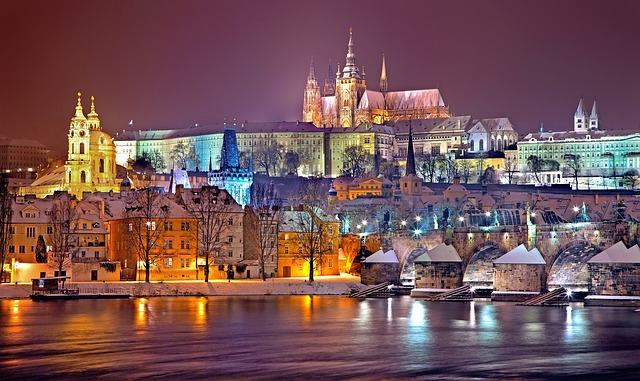
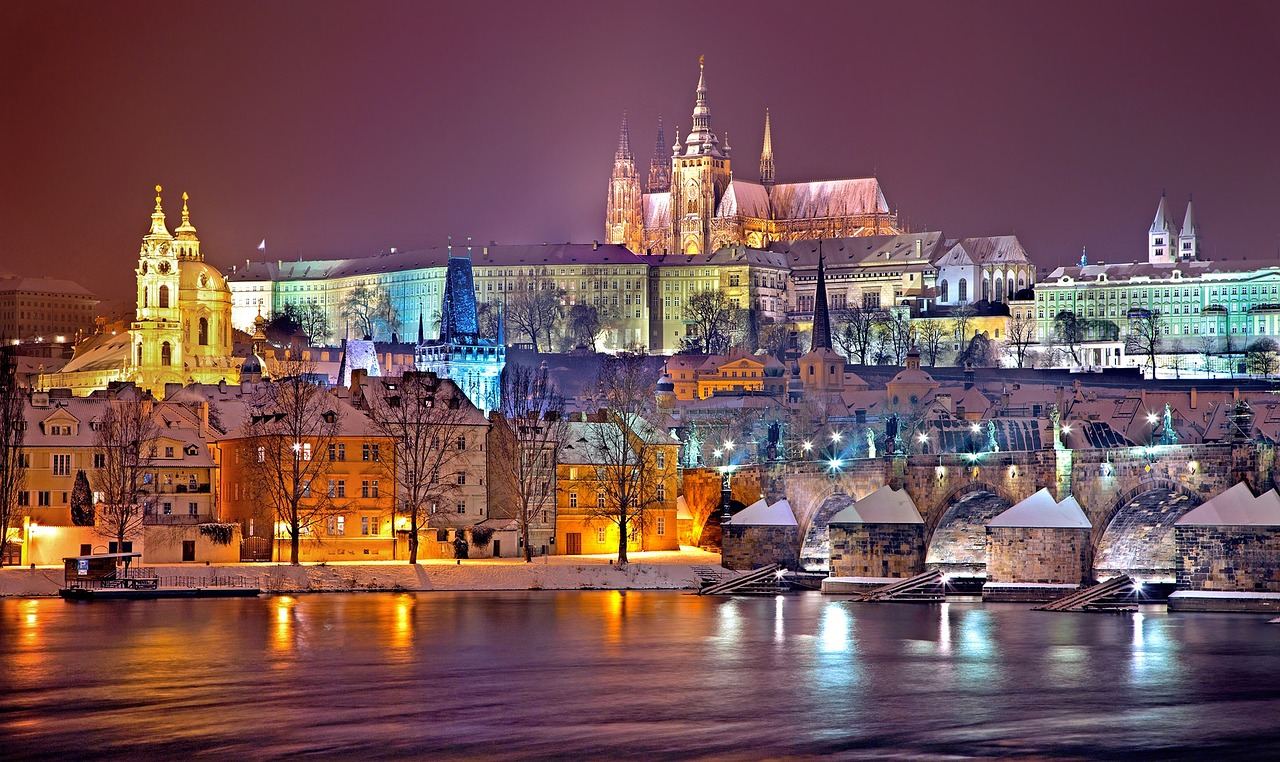
Prague Old Town and Castle
Wander medieval cobblestone alleys, stroll across the iconic Charles Bridge, and explore the sprawling hilltop Prague Castle complex.
Europe · Fairy-tale castles, world-class beer, and enchanting historic towns await you.
The Czech Republic enchants visitors with its rich history, bohemian culture, and stunning Gothic and Baroque architecture. History buffs, budget-conscious wanderers, and beer enthusiasts will find endless delights around every cobblestone corner. From bustling Prague to quiet Moravian vineyards, it offers an unforgettable European experience.
May to September brings the best weather for outdoor sightseeing and vibrant cafe life. Shoulder months like May and September offer warm temperatures with fewer crowds than midsummer.
Moderate crowds, blossoming gardens, and pleasant sightseeing weather with fair hotel rates.
Peak tourist season with open-air beer gardens, lively cultural festivals, and higher prices.
Grape harvest celebrations in Moravia, colorful fall foliage, and thinning tourist crowds.
Enchanting Christmas markets in December, low winter prices in January, and minimal crowds.
Wander medieval cobblestone alleys, stroll across the iconic Charles Bridge, and explore the sprawling hilltop Prague Castle complex.
This UNESCO-listed South Bohemian town features a winding river and a dramatic cliffside Renaissance castle.
A historic silver-mining town famous for the eerie bone-decorated Sedlec Ossuary and the Gothic St. Barbara's Church.
A picturesque spa town nestled in a river valley, renowned for natural thermal springs and grand colonnades.
Moravia's lively second city offers modernist landmarks like Villa Tugendhat alongside a vibrant student coffee culture.
A breathtaking nature reserve showcasing dramatic sandstone rock arches, deep gorges, and scenic hiking trails.
Travel smoothly between these iconic destinations via frequent regional trains and comfortable express buses.
Plan this routeExplore Western and Southern Bohemia by direct rail connections, tasting original Pilsner and relaxing in thermal waters.
Plan this routeConnect Bohemia and Moravia using fast trains to experience vineyard country, Baroque monuments, and fairy-tale towns.
Plan this routeDining and lodging outside of Prague offer exceptional value for money.
Tender marinated beef sirloin served with a spiced vegetable cream sauce, cranberries, and steamed bread dumplings.
A hearty Czech classic consisting of slow-roasted pork, soft yeast dumplings, and braised sauerkraut.
A rich, slow-simmered beef stew seasoned with paprika and onions, typically served alongside sliced dumplings.
Crispy breaded and fried thick cheese slab paired with French fries and tangy tartar sauce.
The quintessential golden lager featuring a crisp hop aroma and creamy head, originating in the town of Plzeň.
The Czech Republic features an exceptional and affordable passenger rail network operated primarily by České dráhy. Frequent private express buses like RegioJet seamlessly connect towns without direct train links. Renting a car is straightforward for exploring countryside castles, though public transport is faster within cities.
Yes, tap water throughout the country is clean, delicious, and meets strict European safety standards. Travelers can freely refill their bottles at hotels and restaurants.
While some hotels and central Prague shops accept Euros, they give unfavorable exchange rates and return change in Koruna. It is best to pay with card or withdraw local currency from official bank ATMs.
Three to four days provide plenty of time to explore major districts without rushing. This schedule also leaves room for a quick day trip to Kutná Hora or Karlštejn Castle.
It remains significantly cheaper than Western European destinations for dining, activities, and local transport. While prices in central Prague have increased, regional cities offer fantastic budget travel.
Take trolleybus 59 to Nádraží Veleslavín metro station, then take metro Line A straight into downtown. Ride-hailing apps like Uber and Bolt are also dependable and reasonably priced.
Get flights, hotels and a day-by-day plan across cities, made for you.
Start planningAI-written guide, last updated 2026-10-08. Check visa rules, prices and opening times before you go. Photos: Julius_Silver, evalangrova on Pixabay.