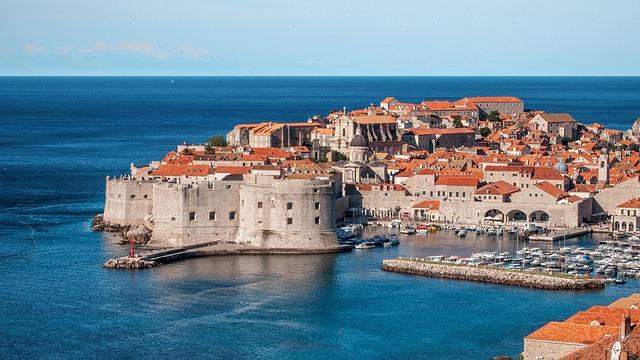
Dubrovnik
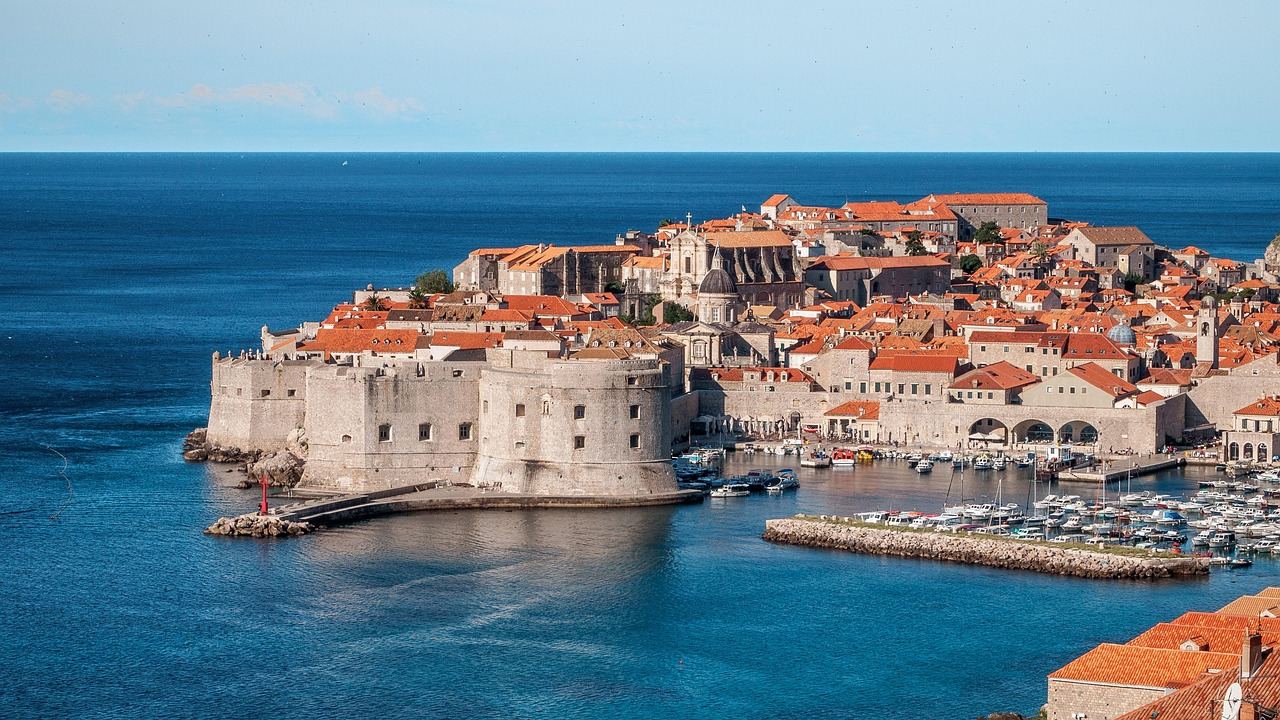
Walk atop the iconic medieval stone walls overlooking the Adriatic and explore the marble-paved Old Town.
Europe · Sun-drenched Adriatic coastline, historic walled towns, and shimmering emerald lakes.
Croatia charms visitors with its sparkling sapphire waters, dramatic limestone cliffs, and remarkably preserved Roman ruins. History buffs, sailing enthusiasts, and beach lovers alike will find endless adventures across its islands and ancient cities. Whether wandering Dubrovnik's fortress walls or hiking past turquoise cascades in national parks, it offers an unforgettable European escape.
May to June and September to October offer the best experience with warm sea temperatures, sunny skies, and manageable crowds. Mid-summer brings vibrant nightlife and hot days, but coastal towns see peak prices and high foot traffic.
Lower accommodation rates and thinner crowds, ideal for hiking and sightseeing.
Peak tourism season with lively festivals, bustling island ferries, and higher prices.
Grape and olive harvest season with thinning crowds and comfortable swimming conditions.
Quiet coastal resorts with reduced ferry schedules, but Zagreb hosts vibrant Christmas markets.
Walk atop the iconic medieval stone walls overlooking the Adriatic and explore the marble-paved Old Town.
Discover sixteen terraced lakes connected by cascading waterfalls on wooden walking paths through lush forest.
Experience daily life thriving inside the ancient Roman complex of Diocletian's Palace right on the bustling harborfront.
Soak in lively beach clubs, fragrant lavender fields, and historic Venetian architecture in this glamorous island hotspot.
Wander through the cobblestone alleys of this romantic Istrian fishing port crowned by the hilltop Church of St. Euphemia.
Listen to the famous Sea Organ played by ocean waves and watch spectacular sunsets from the Roman-rooted coastal promenade.
Travel southbound by rental car or express bus to cover capital culture, dramatic waterfalls, and classic coastal gems.
Plan this routeHop along the southern Dalmatian coast using efficient passenger catamarans to enjoy historic ports and idyllic swimming coves.
Plan this routeRent a car to explore Istrian hilltop villages, Roman amphitheaters, and coastal sunsets along the northern Adriatic.
Plan this routeBook coastal accommodation and ferry tickets several months ahead to secure the best rates during peak summer months.
A traditional Dalmatian dish of tender meat or octopus slow-cooked with potatoes beneath a heavy bell-shaped iron lid.
A rich, savory black risotto flavored with cuttlefish and tinted with cuttlefish ink.
A prized hard sheep's milk cheese from the island of Pag, flavored by wild herbs and sea salt.
Handmade rolled pasta quills tossed in a decadent creamy sauce made with local black or white truffles.
Delightful bite-sized fried dough pastries dusted with powdered sugar and flavored with citrus zest and raisins.
Intercity buses run by companies like Arriva and FlixBus are affordable, reliable, and connect almost all major destinations. Coastal journeys and island hopping are best handled via Jadrolinija and Krilo catamarans, while renting a car provides the greatest freedom for inland exploration. Domestic trains are limited mainly to routes around Zagreb and Split, making buses and ferries the preferred transit options.
Credit and debit cards are widely accepted in restaurants, supermarkets, and hotels. However, having euros in cash is helpful for small purchases, farmers markets, public restrooms, and remote island vendors. ATMs are common, but stick to official bank machines to avoid high conversion fees.
Yes, tap water in Croatia meets high European quality standards and is completely safe to drink everywhere. You will find public drinking fountains in many town centers to refill reusable bottles. Buying bottled water is generally unnecessary.
You do not need a car if you are sticking to major coastal cities and hopping between islands, as buses and ferries are plentiful. A rental car is, however, highly recommended if you wish to explore rural Istria, Plitvice Lakes, or off-the-beaten-path villages. Keep in mind that parking in historic old towns like Dubrovnik and Split is scarce and expensive.
Most beaches in Croatia consist of smooth white pebbles or rocky stone shelves directly over crystal-clear sea water. Sandy beaches do exist, such as on Rab Island or near Omiš, but they are relatively rare. Bringing water shoes will protect your feet from sharp pebbles and sea urchins.
The sea is comfortably warm for swimming from mid-June through late September. July and August have the warmest water temperatures, reaching around 25°C to 27°C. By October, sea temperatures begin to cool, though sunny days can still permit a brisk dip.
Get flights, hotels and a day-by-day plan across cities, made for you.
Start planningAI-written guide, last updated 2026-10-08. Check visa rules, prices and opening times before you go. Photos: fjaka on Pixabay.