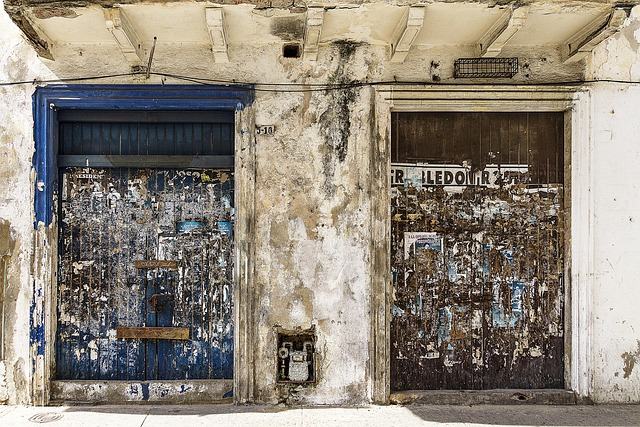
Medellín
Known as the City of Eternal Spring, famous for its innovative cable cars, Comuna 13 street art, and lively salsa culture.
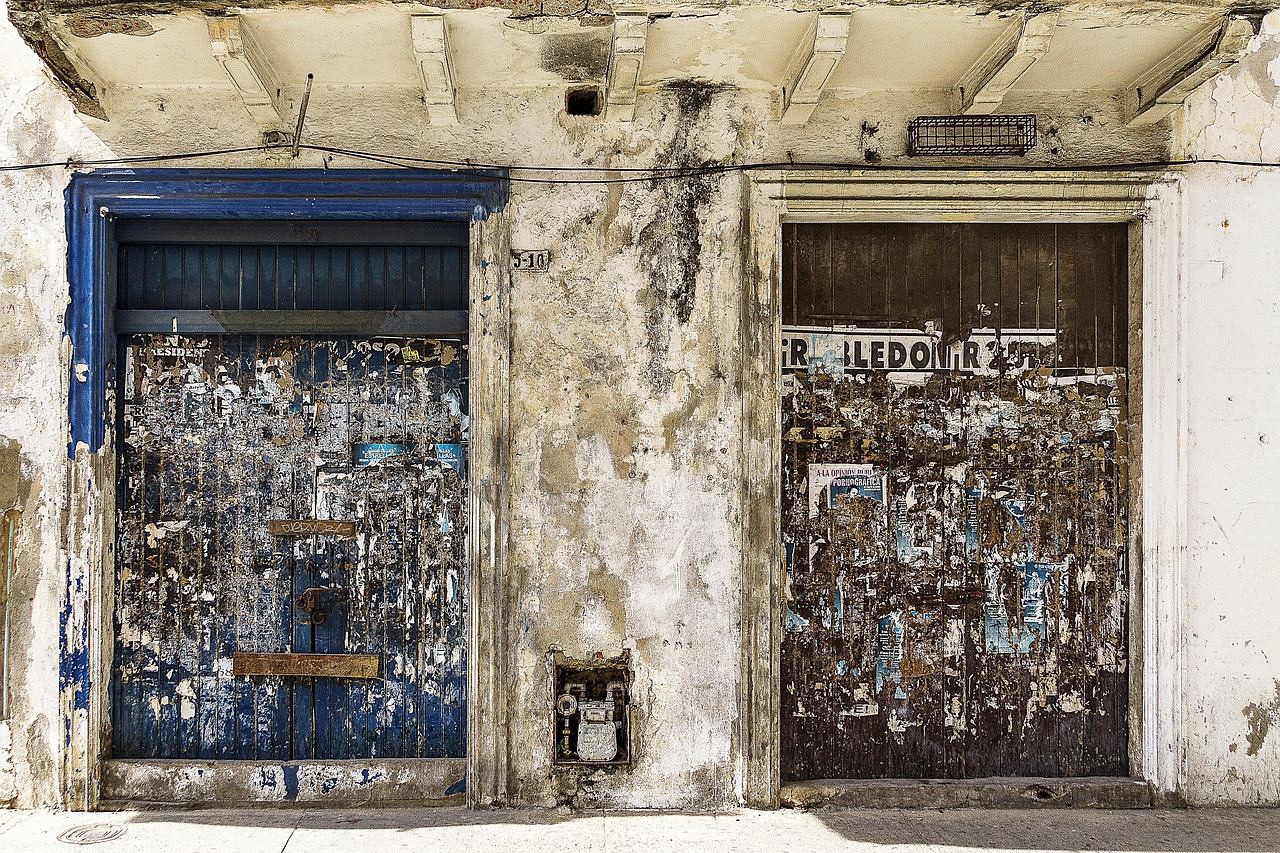
South America · Vibrant culture, lush coffee landscapes, and warm Caribbean charm await.
Colombia captivates travelers with its dramatic Andes mountains, lush Amazonian rainforests, and historic Caribbean coasts. Its remarkable urban transformation is matched by welcoming locals and an infectious rhythm everywhere you go. It is an ideal destination for curious adventurers, nature enthusiasts, and culture seekers alike.
The best time to visit Colombia is from December to March, when dry weather makes exploring cities, beaches, and hiking trails ideal.
Peak tourist season, higher prices, and lively festivals across the country.
Fewer crowds, lush green scenery, and lower accommodation rates.
Popular travel window for whale watching on the Pacific and summer holidays.
Lowest prices of the year and quiet national parks, but trail mud is common.
Known as the City of Eternal Spring, famous for its innovative cable cars, Comuna 13 street art, and lively salsa culture.
A UNESCO-listed walled colonial city on the Caribbean with colorful facades, cobbled alleys, and nearby tropical islands.
Home to Salento and the towering wax palms of the Cocora Valley, surrounded by verdant coffee fincas.
Colombia's high-altitude capital, boasting world-class museums like the Gold Museum and a historic center in La Candelaria.
A coastal jungle paradise where rainforest trails meet pristine Caribbean beaches and giant granite boulders.
A vibrant town famous for its hand-painted bas-relief building bases and the towering monolith rock of El Peñol.
Fly between cities via quick domestic flights to cover urban culture, innovation, and Caribbean history smoothly.
Plan this routeTake a short flight or bus into the Coffee Triangle, then connect north to Medellín and Guatapé by road.
Plan this routeTravel easily along the coastal highway via shared air-conditioned shuttles and minibuses.
Plan this routeAlways carry small peso bills, as street vendors and taxi drivers rarely have change for large denominations.
A hearty Antioquian platter heaped with steak, chicharrón, beans, rice, plantain, avocado, and a fried egg.
A traditional Bogotano chicken and potato soup flavored with guascas herbs and served with corn, cream, and capers.
Flat corn griddle cakes served plain with butter and cheese, or stuffed with savory fillings like egg or meat.
A comforting, slow-cooked stew made with meats, plantains, yucca, and corn, common throughout rural Colombia.
Fresh tropical fruit juices blended with water or milk, highlighting Colombia's incredible fruit diversity.
Domestic flights are affordable and the fastest way to traverse Colombia's mountainous terrain between major regions. Long-distance buses offer comfortable, budget-friendly travel between nearby towns, though mountain roads can take longer than expected. Rideshare apps and registered taxis provide the safest and easiest way to navigate within cities.
Yes, Colombia is generally welcoming and safe for solo travelers if you follow sensible safety practices. Stick to well-traveled areas, avoid isolated streets at night, and use verified transport apps.
Yellow fever vaccination is recommended or mandatory if visiting jungle and coastal regions like Tayrona or the Amazon. Major cities like Bogotá and Medellín do not require it, but carrying proof is wise.
Tap water is completely safe to drink in major metropolitan centers like Bogotá and Medellín. In rural villages and coastal regions like Cartagena or Tayrona, stick to purified or bottled water.
Credit cards are widely accepted at hotels, modern restaurants, and shopping malls in larger cities. However, cash is essential for street snacks, public transit, tips, and rural markets.
While staff at major hotels and tour companies speak English, everyday interactions are predominantly in Spanish. Learning basic conversational phrases and downloading offline translation tools will enrich your journey significantly.
Get flights, hotels and a day-by-day plan across cities, made for you.
Start planningAI-written guide, last updated 2026-10-09. Check visa rules, prices and opening times before you go. Photos: ShonEjai on Pixabay.