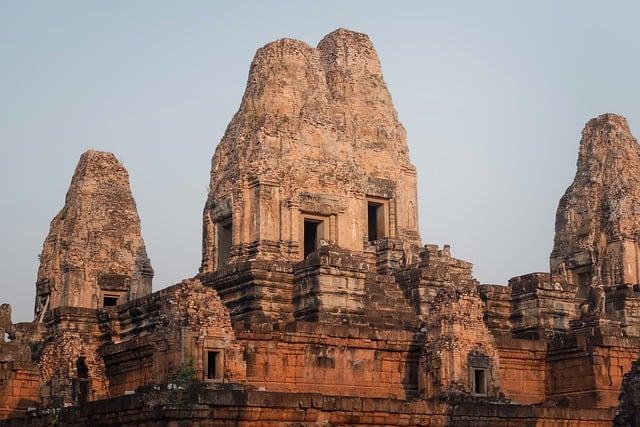
Angkor Archaeological Park
The magnificent epicenter of the ancient Khmer Empire, featuring Angkor Wat, the stone faces of Bayon, and tree-tangled Ta Prohm.
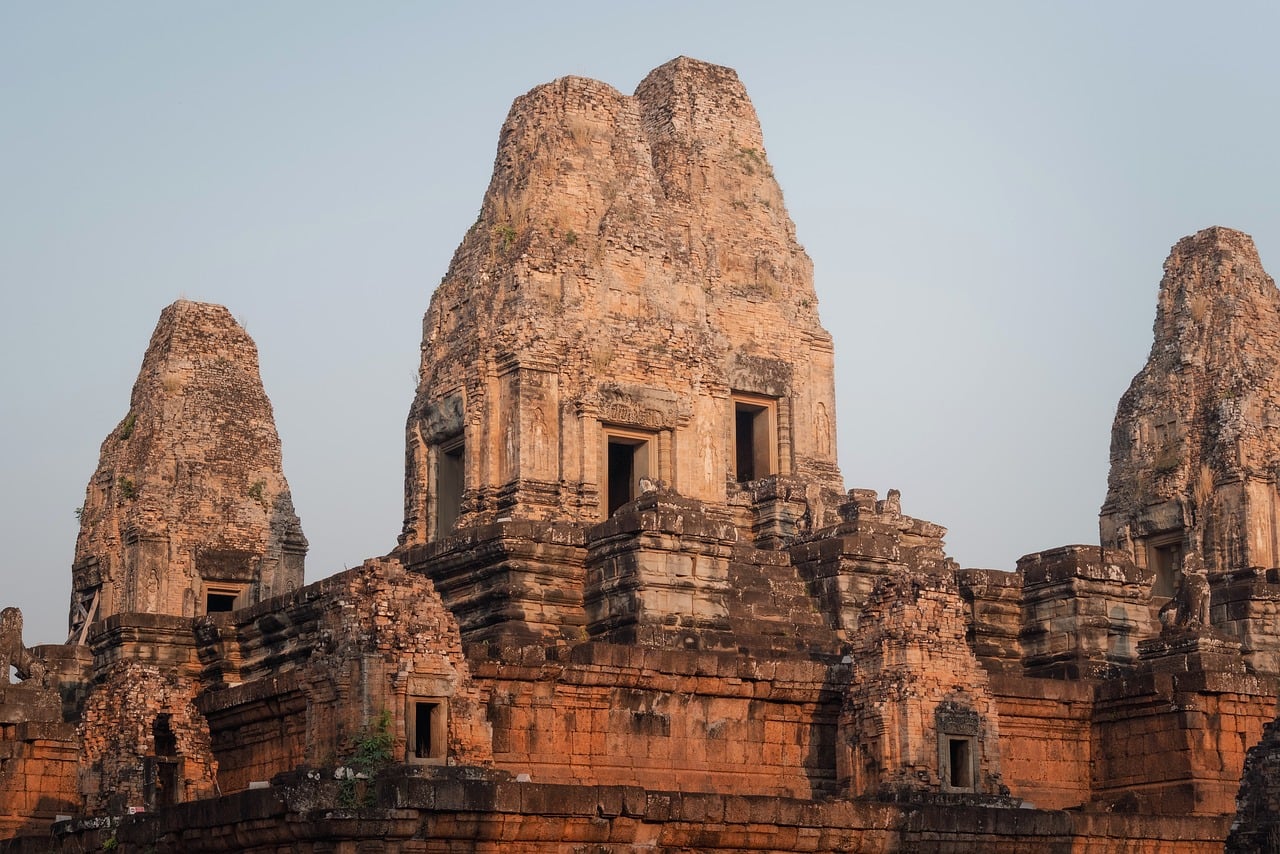
Asia · Ancient temple wonders, vibrant river towns, and warm hospitality await.
Cambodia enchants visitors with its awe-inspiring ancient Khmer architecture and rich cultural history. From the bustling riverfront of Phnom Penh to quiet southern islands, the country offers rewarding adventures at a relaxed pace. History enthusiasts, nature lovers, and budget-conscious travelers will immediately fall for its resilient spirit and genuine warmth.
November to February is the best time to visit because the weather is dry and relatively cool. This makes walking through expansive outdoor temple complexes far more comfortable.
Peak travel season brings larger crowds to Angkor Wat and higher accommodation prices.
Fewer tourists and lower hotel rates, though midday sightseeing can be intensely hot.
Lush green countryside, lower prices, and photogenic water-filled moats around ancient temples.
Rural roads may experience flooding, but Tonle Sap lake and waterfalls are at their most dramatic.
The magnificent epicenter of the ancient Khmer Empire, featuring Angkor Wat, the stone faces of Bayon, and tree-tangled Ta Prohm.
The bustling capital city set along the Tonle Sap river, home to the Royal Palace and the evocative Tuol Sleng Genocide Museum.
A tropical paradise island offering powdery white sand beaches, coral reefs, and a laid-back coastal atmosphere.
A relaxed western city celebrated for French colonial architecture, a thriving local art scene, and the famous bamboo railway.
A tranquil riverside enclave known for world-famous pepper plantations, French shophouses, and easy access to Bokor National Park.
Southeast Asia's largest freshwater lake, renowned for its distinctive floating villages and diverse bird sanctuaries.
Explore the temples of Angkor before taking a short domestic flight or comfortable express bus south to explore the capital city.
Plan this routeJourney south across the country via VIP minivan and catch a fast passenger ferry from Sihanoukville out to the islands.
Plan this routeTravel overland by train or private car through scenic western farmland before arriving at the world-famous ruins of Angkor.
Plan this routeAlways ensure US dollar banknotes are pristine, as vendors often reject torn or stained cash.
A fragrant, silky steamed fish curry prepared with coconut milk, lemongrass, kaffir lime, and turmeric.
Stir-fried marinated beef tossed on a bed of fresh salad and served with a tangy lime-pepper dipping sauce.
Traditional fermented rice noodles topped with an aromatic green herbal fish gravy and fresh seasonal greens.
Tender grilled pork marinated in sweet soy and garlic, served over warm broken rice for breakfast.
Strong dark-roast coffee sweetened with rich condensed milk and poured over crushed ice.
Reliable express minivans and comfortable sleeper buses connect all major travel destinations along improved national highways. Within cities, ride-hailing apps like Grab and PassApp make booking three-wheeled auto-rickshaws simple and transparent. Short domestic flights link Siem Reap and Phnom Penh for those wishing to avoid overland travel.
Yes, Cambodia is generally welcoming and easy to navigate alone. Violent crime against visitors is very rare, though travelers should keep an eye on belongings to prevent phone and bag snatching in crowded city streets.
Cash is essential for daily purchases, tuk-tuks, and night markets across the country. Major hotels, international restaurants, and upscale boutiques in Phnom Penh and Siem Reap will accept credit cards.
A three-day pass provides the ideal balance to tour the major stone monuments without suffering temple fatigue. A single-day pass only allows you to see the three most crowded highlights in a rush.
Visitors must wear clothes that cover shoulders and reach below the knee. Loose, breathable linen or cotton garments are strongly recommended to stay cool under the tropical sun.
Tap water is not potable for visitors in Cambodia. Always consume bottled water, or bring a reusable bottle and use purified water refill stations provided by reputable hotels.
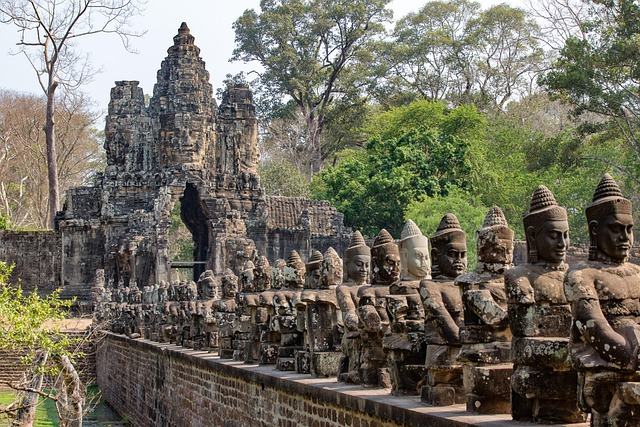
Get flights, hotels and a day-by-day plan across cities, made for you.
Start planningAI-written guide, last updated 2026-10-08. Check visa rules, prices and opening times before you go. Photos: ahmetyuksek, dMz on Pixabay.