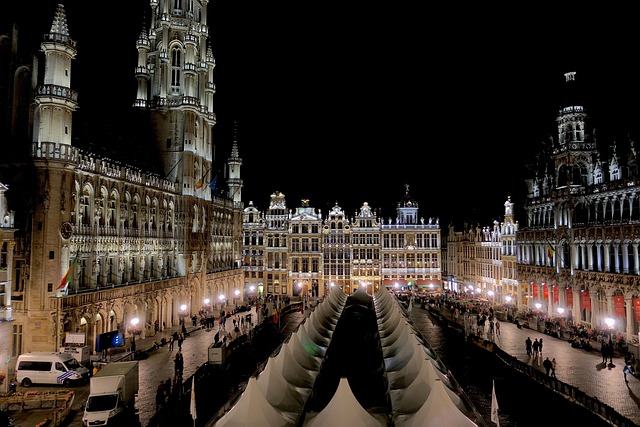
Grand Place, Brussels
The breathtaking central square framed by ornate 17th-century guildhalls and the Gothic Town Hall. It is widely considered one of Europe's most magnificent public spaces.
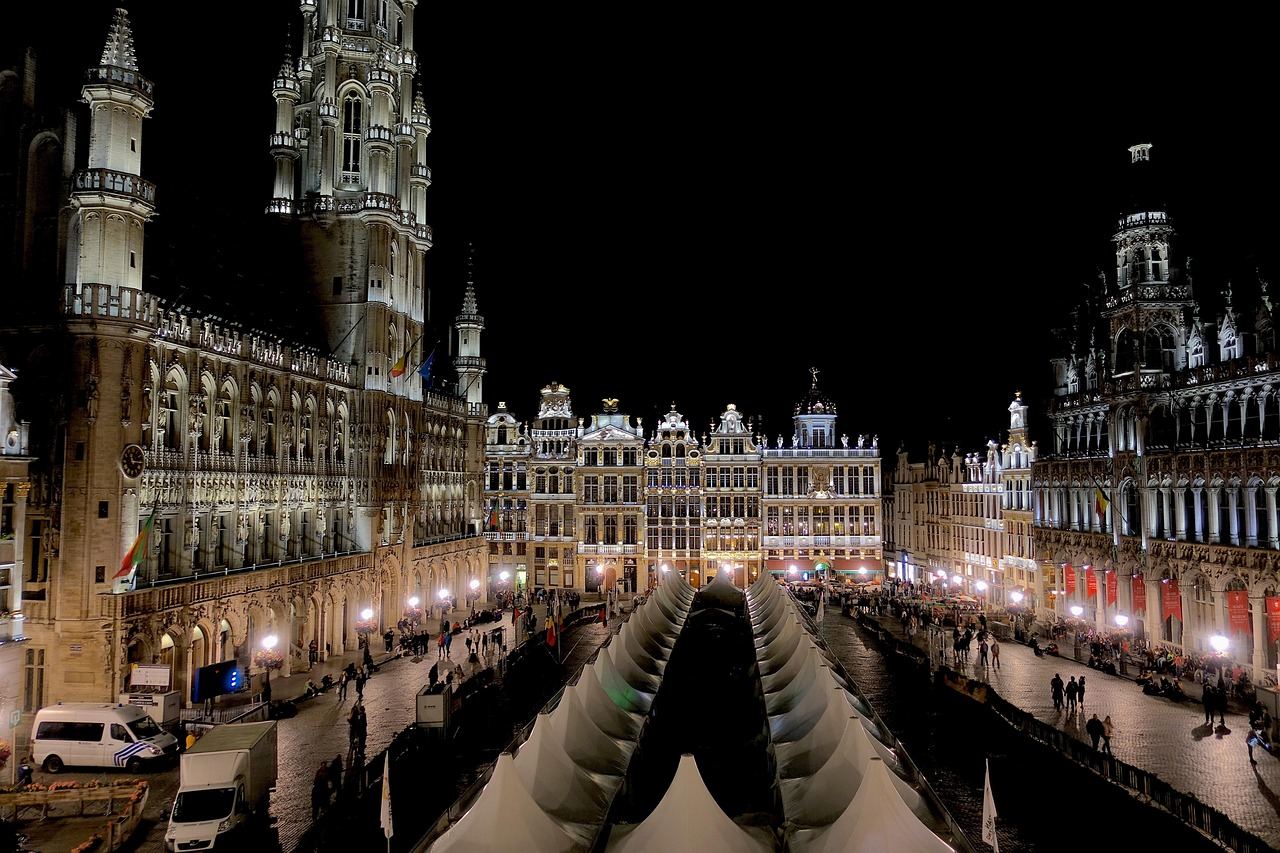
Europe · Fairytale canals, world-class art, and unbeatable culinary traditions.
Belgium packs medieval architecture, rich history, and legendary gastronomy into a compact, easily explorable country. Foodies, history enthusiasts, and art lovers will adore wandering cobbled streets lined with guild houses and world-class museums. Its vibrant multicultural hubs and quiet romantic waterways offer something memorable for every type of traveler.
The best time to visit Belgium is from May to September when the weather is warm and outdoor festivals thrive. Spring also brings blooming parks and pleasant sightseeing conditions with fewer tourists.
Moderate crowds, blooming tulip displays, and pleasant sightseeing with occasional rain.
Peak tourist season, bustling open-air cafe terraces, and vibrant music festivals.
Autumn colors in the Ardennes, shorter lines at museums, and cheaper hotel rates.
Magical Christmas markets throughout December, festive light shows, and quiet winter streets.
The breathtaking central square framed by ornate 17th-century guildhalls and the Gothic Town Hall. It is widely considered one of Europe's most magnificent public spaces.
A picture-perfect UNESCO World Heritage site woven with romantic canals and medieval stone bridges. Climb the historic Belfry tower for sweeping views across the Flemish rooftops.
A formidable 12th-century moated fortress standing right in the heart of vibrant Ghent. Visitors can explore ancient ramparts and take in panoramic skyline vistas.
Arrive at one of the world's grandest railway stations before exploring Antwerp's avant-garde fashion scene. The surrounding diamond quarter showcases centuries of gemstone trading heritage.
A sprawling forested region in Wallonia filled with rolling hills, winding rivers, and ancient castles. It is the premier destination in Belgium for hiking, kayaking, and rural retreats.
An evocative museum housed inside the reconstructed medieval Cloth Hall that details the history of World War I. Every evening, the Menin Gate hosts the moving Last Post ceremony.
This quintessential itinerary connects Belgium's capital with its two most picturesque historic canal cities. High-frequency trains link all three destinations in less than an hour.
Plan this routeImmerse yourself in world-class art collections, cutting-edge fashion design, and medieval architecture. The journey is seamlessly traversed using standard domestic trains.
Plan this routeExplore Gothic cityscapes before heading south to dramatic river valleys, cliffside citadels, and forested hills. Travel between southern towns by car or scenic regional rail.
Plan this routeSave money by purchasing regional transit passes and taking advantage of half-price weekend train fares.
Enjoy either light and crispy rectangular Brussels waffles or dense, caramelized Liege waffles.
Fresh mussels steamed in white wine and aromatic herbs, served alongside crispy twice-fried Belgian frites.
A rich, slow-cooked beef stew simmered with dark Belgian beer, onions, and fresh thyme.
World-renowned ales brewed within certified monasteries following centuries-old heritage methods.
Decadent chocolate shells filled with smooth hazelnut gianduja, ganache, or fruit creams.
Belgium possesses one of Europe's densest and most reliable passenger railway systems, operated by SNCB/NMBS. Trains run frequently between major cities, making domestic flights and car rentals unnecessary for most travelers. Renting a car is only recommended if you intend to explore deep into the rural Ardennes forest.
Yes, English is spoken fluently by most people in tourist centers, hotels, and restaurants across Flanders and Brussels. In Wallonia, knowing a few polite French phrases is appreciated and helpful.
No, renting a car is not necessary for most itineraries. The passenger rail network is rapid, affordable, and connects virtually all towns and tourist highlights.
A duration of five to seven days is ideal for visiting Brussels, Ghent, Bruges, and Antwerp. This timeframe allows you to explore major sights without rushing your visits.
Ghent or Brussels makes the best base due to their central geography and frequent train links. You can reach Bruges, Antwerp, and Leuven in under an hour from either city.
Yes, tap water is completely safe to drink everywhere in Belgium. However, restaurants typically serve bottled water for a fee rather than complimentary tap water.
Get flights, hotels and a day-by-day plan across cities, made for you.
Start planningAI-written guide, last updated 2026-10-08. Check visa rules, prices and opening times before you go. Photos: Festvangelist, dimitrisvetsikas1969 on Pixabay.