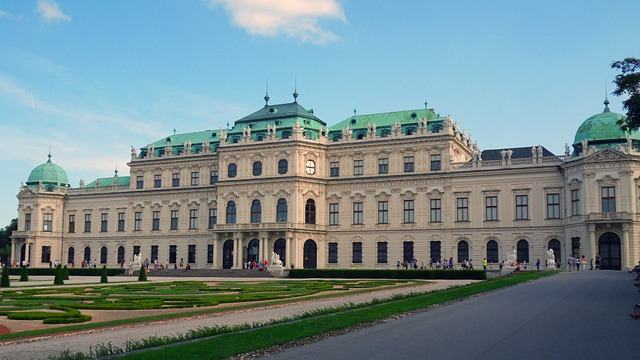
Vienna
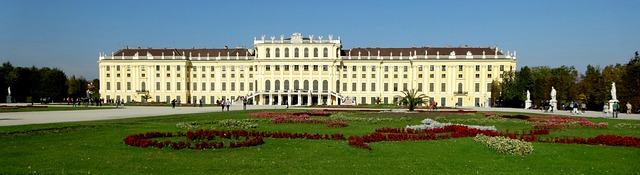
The nation's regal capital, celebrated for stunning palaces like Schönbrunn, historic coffeehouses, and classical concerts.
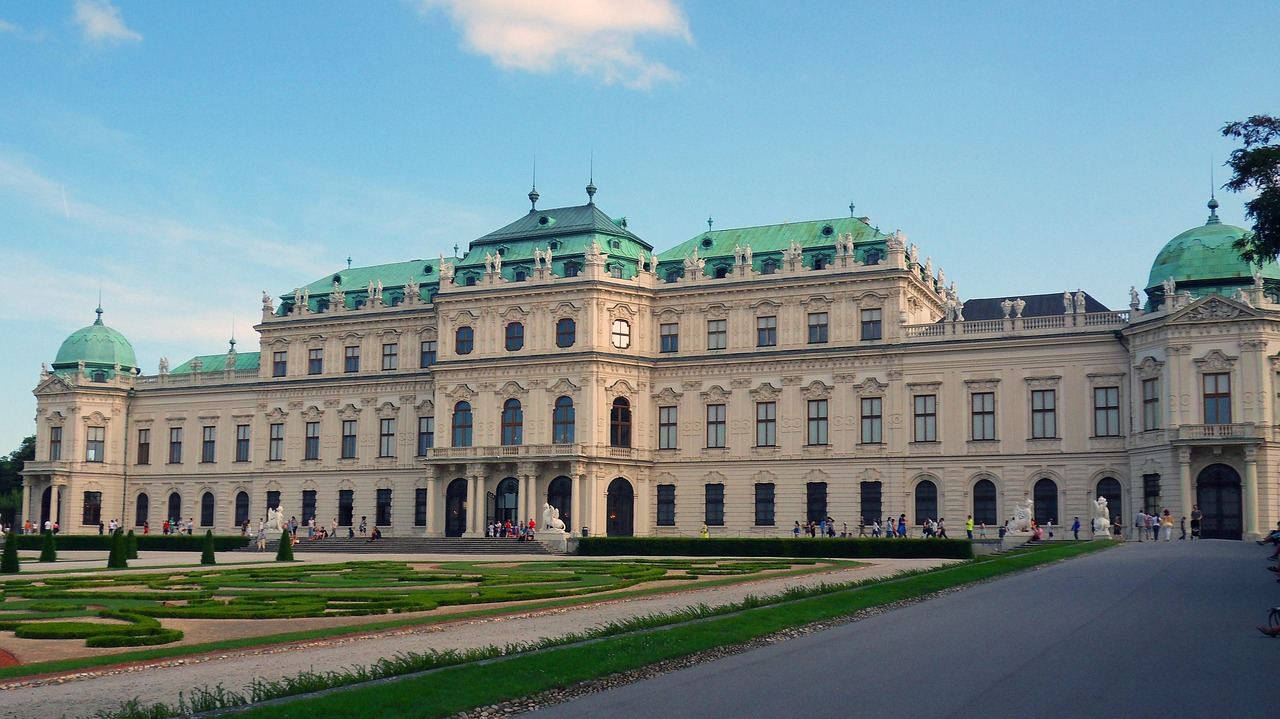
Europe · Alpine peaks, grand imperial palaces, and timeless musical culture await you.
Austria charms visitors with its dramatic mountain scenery, storied imperial heritage, and rich classical music traditions. Whether you are strolling historic cobbled streets or hiking through pristine Alpine valleys, there is a captivating blend of urban sophistication and natural wonder. It is an ideal destination for culture enthusiasts, outdoor adventurers, and food lovers alike.
The best months to visit are May to September for pleasant outdoor sightseeing and hiking, or December to March for magical Christmas markets and world-class skiing.
Moderate crowds, reasonable hotel rates, and vibrant gardens beginning to bloom across imperial parks.
Peak tourist season with bustling festivals, open alpine trails, and higher accommodation prices.
Fewer crowds, splendid golden foliage in the countryside, and harvest wine festivals in Wachau.
Festive Christmas markets throughout December, followed by prime ski season across the Alps.
The nation's regal capital, celebrated for stunning palaces like Schönbrunn, historic coffeehouses, and classical concerts.
The picturesque birthplace of Mozart, crowned by the Hohensalzburg Fortress and framed by dramatic alpine peaks.
An iconic lakeside village in the Salzkammergut region featuring pastel-colored houses reflected in mirror-like waters.
The heart of the Tyrolean Alps, famous for its Golden Roof and panoramic cable cars running straight from the city center.
A scenic stretch of the Danube River renowned for terraced vineyards, medieval castle ruins, and Melk Abbey.
A year-round resort gem offering sparkling lake sports in summer and glacier skiing on the Kitzsteinhorn in winter.
Travel smoothly between cities on the high-speed ÖBB rail network, taking regional connections directly into the Salzkammergut lake district.
Plan this routeConnect these iconic destinations by train to witness sweeping mountain views and historic city centers without needing a rental car.
Plan this routeFollow the scenic Danube westward by regional train or river ferry, exploring historic abbeys and vineyards before finishing in Salzburg.
Plan this routeBooking regional rail tickets well in advance on the ÖBB platform offers significant savings.
A tender, pan-fried breaded veal cutlet traditionally served with potato salad and a lemon wedge.
A dense, rich chocolate cake layered with apricot jam and served with unsweetened whipped cream.
A fluffy, lightly caramelized shredded pancake dusted with powdered sugar and paired with stewed plum compote.
Gently simmered beef served in flavorful broth alongside minced apples with horseradish and crispy potatoes.
Delicate pastry layers wrapped around spiced tart apples, raisins, and toasted breadcrumbs.
Austria boasts one of the most efficient train networks in Europe operated by ÖBB, connecting major cities with fast and frequent services. Regional buses reach more remote alpine valleys, while scenic mountain cable cars handle high-altitude connections. Renting a car is straightforward for exploring countryside byways, though you must purchase a highway toll sticker called a Vignette.
Yes, visa-exempt visitors from countries like the US, Canada, the UK, and Australia must obtain an online ETIAS authorization before boarding flights to the Schengen Area. The application takes only a few minutes online. Check your entry requirements before your departure.
Public transit in Austria is exceptionally straightforward for non-German speakers. Ticket machines, digital departure screens, and station announcements in major cities and on regional trains feature clear English options. Station staff are also accustomed to assisting international visitors.
You do not need a car to visit major alpine hubs like Innsbruck, Zell am See, or Salzburg, as modern trains and post buses serve these regions frequently. However, renting a vehicle offers extra flexibility if you want to explore hidden valleys or stop at remote hiking trailheads.
Austrian coffeehouses are historic institutions where patrons are encouraged to linger unhurried over a single cup of coffee, often served on a silver tray with a glass of water. Waiters traditionally wear formal attire, and you can freely read newspapers or relax for hours without pressure to order more.
Austria is moderately expensive, comparable to neighboring Germany and France, but generally cheaper than Switzerland or the Nordic countries. Travelers can manage costs by using public transit passes, enjoying casual bakeries, and booking accommodations well in advance.
Get flights, hotels and a day-by-day plan across cities, made for you.
Start planningAI-written guide, last updated 2026-10-08. Check visa rules, prices and opening times before you go. Photos: SCAPIN, Dzideklasek on Pixabay.