Sydney
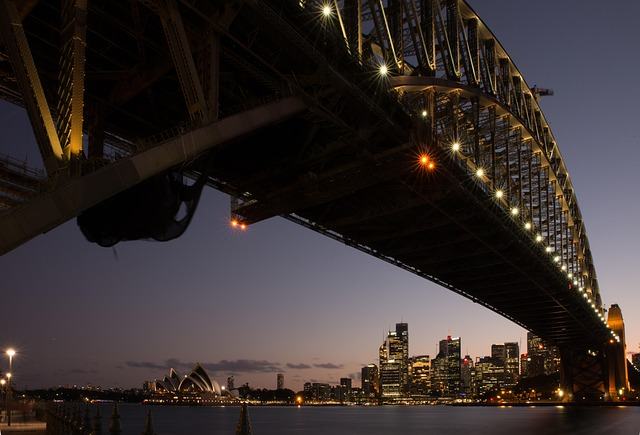
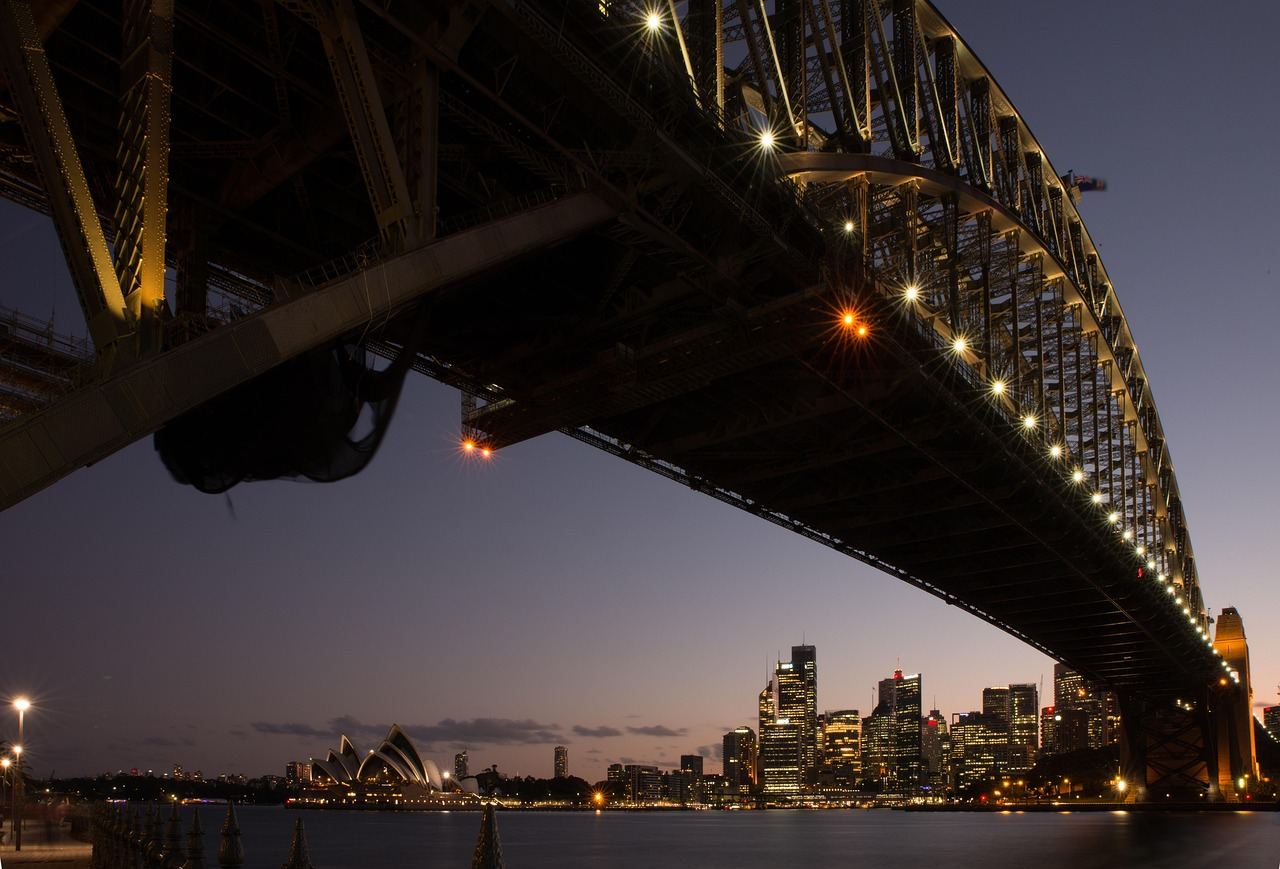
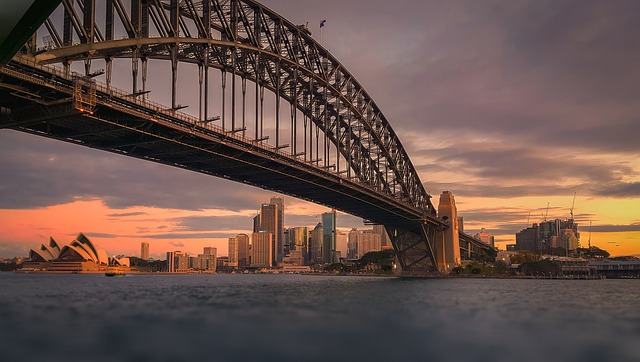
Australia's dazzling harbor city showcases iconic landmarks like the Sydney Opera House and the golden sands of Bondi Beach.
Oceania · Epic landscapes, vibrant coastal cities, and unforgettable wildlife adventures await Down Under.
Australia is a vast continent renowned for sun-drenched coastlines, ancient tropical rainforests, and rugged red deserts. It offers iconic wildlife encounters and buzzing cosmopolitan cities packed with world-class dining. Outdoor enthusiasts, road-trippers, and beach lovers alike will find endless wonders to explore.
September to November and March to May offer comfortable temperatures nationwide with fewer crowds and ideal weather for sightseeing.
Pleasant weather across most regions, blooming wildflowers, and manageable crowds before summer.
Peak tourist season, busy beaches, major sporting events, and higher accommodation prices.
Great for wine harvesting regions, outdoor trekking, and moderate seasonal crowds.
Prime time to explore the tropical north and Outback, while southern ski fields open.
Australia's dazzling harbor city showcases iconic landmarks like the Sydney Opera House and the golden sands of Bondi Beach.
The world's largest coral reef system spans Queensland's coast, offering world-class snorkeling and scuba diving amidst vibrant marine life.
This sacred heart of the Red Centre features towering red sandstone formations deeply rooted in Indigenous Anangu culture.
Famed as Australia's cultural capital, this lively city charms visitors with hidden laneway cafes, street art, and thriving live music.
This scenic coastal drive along Victoria's southern edge features dramatic limestone cliffs, native wildlife, and the Twelve Apostles.
One of the oldest tropical rainforests on Earth, where prehistoric flora meets the pristine waters of Cape Tribulation.
Connect these coastal gems using domestic flights or long-distance buses like Greyhound Australia.
Plan this routeRent a car to experience dramatic coastal cliffs before touring renowned wine regions like the Barossa Valley.
Plan this routeTravel by scenic flight or embark on an epic Outback road trip across desert highways to northern wetlands.
Plan this routeTap water is safe to drink everywhere, and major supermarkets provide affordable fresh picnic options.
A smooth espresso-based coffee topped with silky microfoam, perfected in Australia's famous cafe culture.
A classic handheld pastry pocket filled with savory minced beef and rich gravy, typically topped with tomato sauce.
A flavorful native white fish prized for its tender texture, commonly pan-seared at coastal bistros.
A beloved sponge cake square coated in chocolate icing and rolled in desiccated coconut.
A quintessential Australian breakfast staple made from savory yeast extract spread thinly over hot buttered toast.
Domestic flights are the fastest way to bridge Australia's massive distances between capital cities. Car or campervan rentals are ideal for scenic regional coastal drives and outback adventures. Major cities boast clean, easy-to-use public transit systems including trains, trams, and ferries.
While Australia is famous for venomous creatures, encounters are extremely rare in urban and tourist areas. Simply follow beach warning flags and posted signs on bushwalks to stay perfectly safe. Basic precautions like checking your footwear outdoors are usually all that is needed.
If your driver's license is in English, you typically do not need an International Driving Permit. If your license is in another language, you must carry an official English translation or an IDP alongside your home license. Remember that Australians drive on the left side of the road.
Because Australia is massive, a minimum of two weeks is recommended to explore two or three distinct regions without exhaustion. A three- to four-week itinerary allows a much more balanced mix of cities, reefs, and the Outback. Expect travel between distant hubs to consume half a day.
Yes, tap water is completely safe to drink across all major cities and regional towns. Carry a reusable water bottle to refill for free at public hydration stations throughout parks and airports. Only remote outback tracks require carrying dedicated untreated water supplies.
Marine stinger season typically runs from November to May in tropical northern waters. During this period, swimmers must wear protective stinger suits or remain within netted beach enclosures. Tour boats heading to outer reefs always provide stinger suits to ensure safe swimming.
Get flights, hotels and a day-by-day plan across cities, made for you.
Start planningAI-written guide, last updated 2026-10-09. Check visa rules, prices and opening times before you go. Photos: moremilu, Walkerssk on Pixabay.