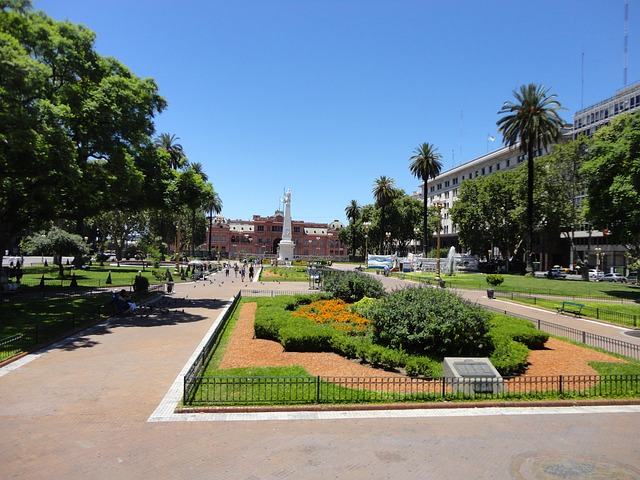
Buenos Aires
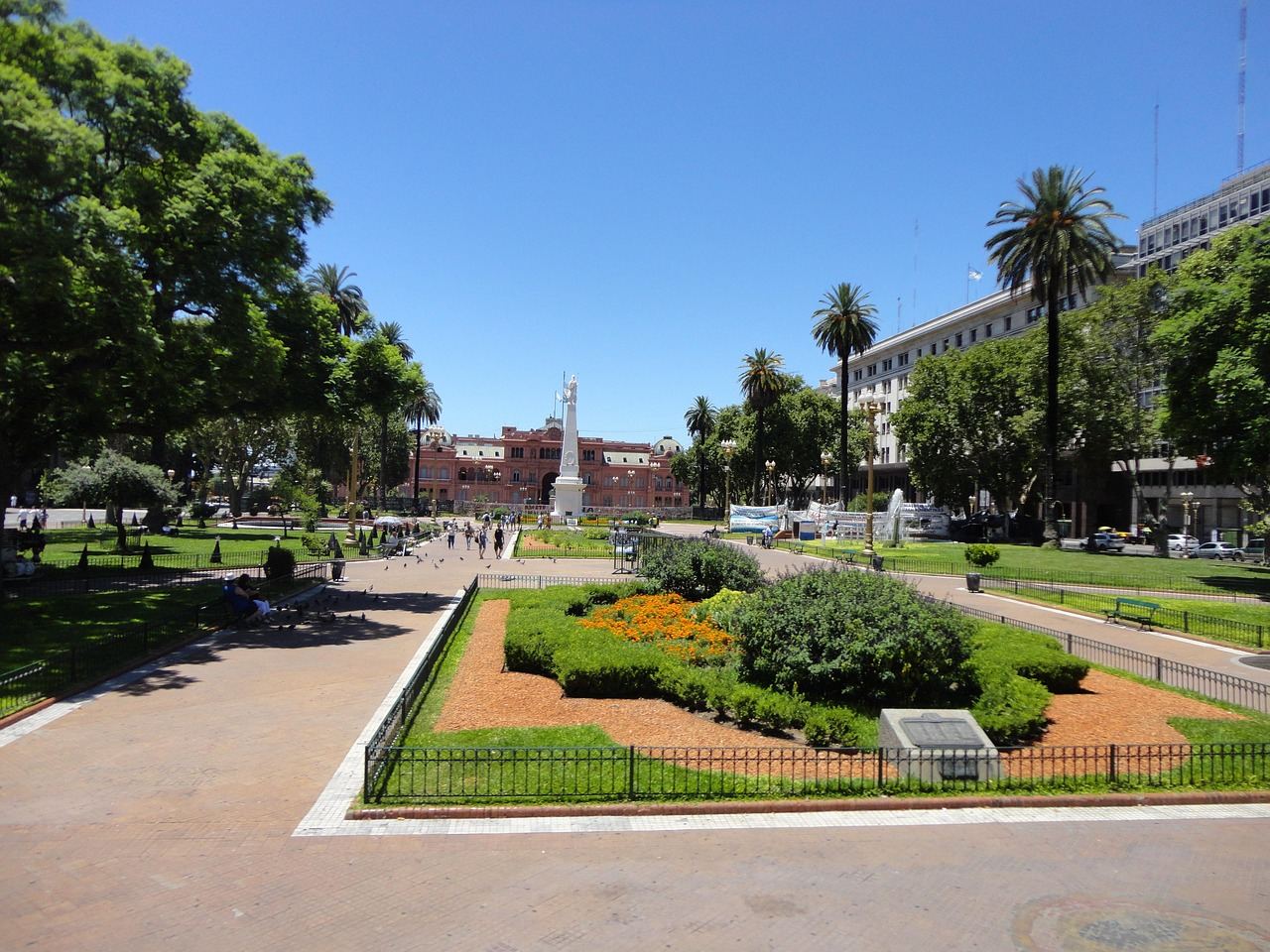
Argentina vibrant capital celebrated for historic architecture, passionate tango salons, and a world-class culinary scene.
South America · Vibrant culture, majestic glaciers, and unforgettable culinary adventures await in Argentina.
Argentina dazzles visitors with its dramatic contrast between cosmopolitan cityscapes and untamed Patagonian wilderness. It is an extraordinary destination for hikers, wine enthusiasts, cultural explorers, and culinary adventurers alike. Whether dancing tango in Buenos Aires or gazing at thundering waterfalls, every traveler finds an unforgettable journey here.
October to April is the best time to visit, offering warm weather for trekking in Patagonia and pleasant spring blooms across Buenos Aires.
Pleasant weather, jacaranda blossoms in Buenos Aires, and moderate crowds.
Peak trekking season in Patagonia, hotter northern cities, and higher accommodation prices.
Grape harvest festivities in Mendoza, brilliant foliage, and thinner tourist crowds.
Prime skiing conditions in the Andes and quiet, budget-friendly city travel.
Argentina vibrant capital celebrated for historic architecture, passionate tango salons, and a world-class culinary scene.
A massive system of cascading tropical waterfalls straddling the border between Argentina and Brazil.
An imposing, accessible glacier in Los Glaciares National Park renowned for dramatic ice calvings into Lake Argentino.
The heart of Argentine winemaking, nestled against the Andes and famed for premium high-altitude Malbec.
A scenic Lake District destination noted for alpine wooden architecture, artisan chocolate, and pristine hiking.
The southernmost city on Earth, acting as the scenic adventure hub for Tierra del Fuego.
Covers urban culture, tropical waterfalls, and glaciers using domestic flights to bridge the long distances.
Plan this routeConnect vibrant city life to world-class vineyards and Andean lakes via internal flights or scenic buses.
Plan this routeExperience premier trekking routes and glacial parks across the south using regional flights and comfortable long-distance coaches.
Plan this routePaying with foreign credit cards automatically applies the favorable tourist exchange rate for major savings.
A beloved social feast of premium beef cuts grilled over slow-burning wood coals.
Flaky baked pastries filled with spiced beef, sweet onions, or melted cheese.
A rich caramelized milk spread served with breakfasts, desserts, and layered alfajor pastries.
The celebrated full-bodied red wine crafted extensively across the high-altitude vineyards of Mendoza.
A traditional caffeinated herbal infusion sipped through a metal straw from a shared gourd.
Because of the country vast territory, domestic flights are the fastest way to travel between distant regions. Modern long-distance sleeper buses provide comfortable overland travel between closer provinces with fully reclining seats. Renting a car is best reserved for regional road trips through the Lake District or Salta.
Argentina is among the safer destinations in South America for independent travelers. Standard precautions against pickpocketing are wise in busy capital neighborhoods. Mountain towns and rural regions are exceptionally welcoming and relaxed.
Foreign credit and debit cards offer excellent tourist exchange rates at restaurants and hotels. Carrying some cash in Argentine Pesos is still smart for small purchases and tips. ATMs often charge steep withdrawal fees, making card payments preferable.
Fluency is not required, as English is widely spoken in hotels and tour operations. However, learning key polite phrases will make daily interactions smoother and earn smiles from locals. A translation app helps when reading regional dining menus.
Pack versatile layers that transition from warm northern subtropical heat to cold Patagonian winds. Bring sturdy hiking boots for outdoor adventures and smart casual clothes for dining out in Buenos Aires. A windbreaker is essential in the south.
Tap water is safe to drink across Buenos Aires and most urban centers. In remote desert outposts or smaller villages, sticking to purified bottled water prevents mild digestive upset. Ask your accommodation host if you are unsure about local supplies.
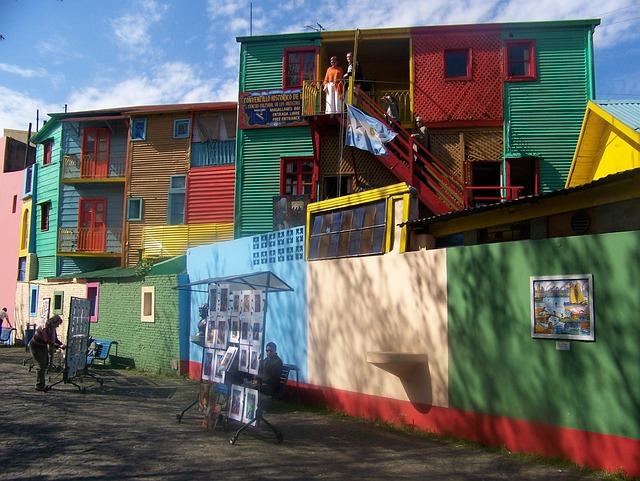
Get flights, hotels and a day-by-day plan across cities, made for you.
Start planningAI-written guide, last updated 2026-10-09. Check visa rules, prices and opening times before you go. Photos: pierobruno, manutalaixa on Pixabay.