Planning a vacation often brings up the debate between all-inclusive convenience and independent travel. While having meals, drinks, and activities bundled together sounds relaxing, it is not always the best financial or cultural choice. This guide breaks down the true value of all-inclusive stays so you can make the right decision for your 2026 getaway.
Understanding What All-Inclusive Really Means
The term all-inclusive implies that everything is taken care of once you step onto the property, but packages vary significantly across brands and destinations. Basic packages usually include a standard room, buffet dining, domestic alcohol, and non-motorized water sports like paddleboarding or kayaking. Premium services, such as airport transfers, à la carte specialty restaurants, and top-shelf liquor, often require an upgraded tier or an extra daily fee.
Resort policies also evolve over time, with many properties now charging extra for beach cabana rentals, spa access, and high-speed Wi-Fi. Always read the fine print before booking to see what is explicitly covered. Knowing these boundaries in advance prevents surprise charges at checkout.
- Check whether à la carte restaurants require advance reservations or surcharges.
- Verify if gratuities and service charges are included in the nightly rate.
- Look into beverage tiers to see if your preferred drinks carry added costs.
The Real Benefits: Peace of Mind and Predictable Budgets
The single greatest advantage of an all-inclusive resort is financial predictability. Paying for your vacation upfront allows you to relax without constantly calculating the cost of another drink, snack, or beach towel. For families and large groups, this removes awkward conversations about splitting dining bills or managing varied budgets.
Beyond money, all-inclusive resorts eliminate daily decision fatigue. You do not need to research five different restaurants every day, find transportation, or coordinate activity schedules across town. Everything is steps away from your hotel room, which is ideal if your primary travel goal is pure rest and relaxation.
- Upfront pricing makes trip budgeting straightforward and stress-free.
- Great for multi-generational families with diverse food and activity needs.
- Organized kids clubs and entertainment programs are often built into the cost.
The Drawbacks: Cultural Distance and Sunk Costs
The primary downside of all-inclusive resorts is the feeling of being tied to the property. Because you have already paid for all your meals and drinks, leaving the resort to explore local cafes, street markets, or cultural sights can feel like paying twice. This financial dynamic often discourages travelers from venturing out and experiencing authentic regional life.
Quality can also be inconsistent, especially at larger mega-resorts where food is prepared in massive quantities. Dining at buffets for a full week can lead to palate fatigue, and house wines or spirits may not meet your standards. If dining out and discovering regional gastronomy are high priorities for you, an all-inclusive setup may feel restrictive.
- Paying for bundled meals can discourage exploring off-resort dining.
- Buffet-heavy dining options can become monotonous after a few days.
- Resort bubbles often shield guests from genuine local culture and communities.
Destinations Where All-Inclusive Resorts Make Sense
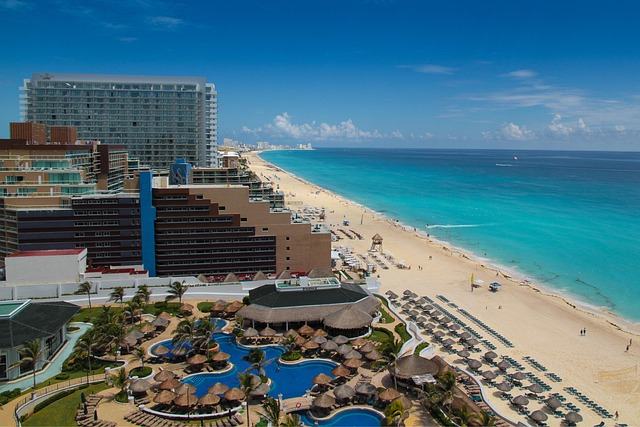
All-inclusive resorts provide the best value in destinations where getting around is expensive, complicated, or limited. In classic beach getaways like Cancun and Punta Cana, competition among resort brands keeps rates attractive, and the infrastructure is built specifically for full-service beachfront stays. In these locations, the resort itself is often the main destination.
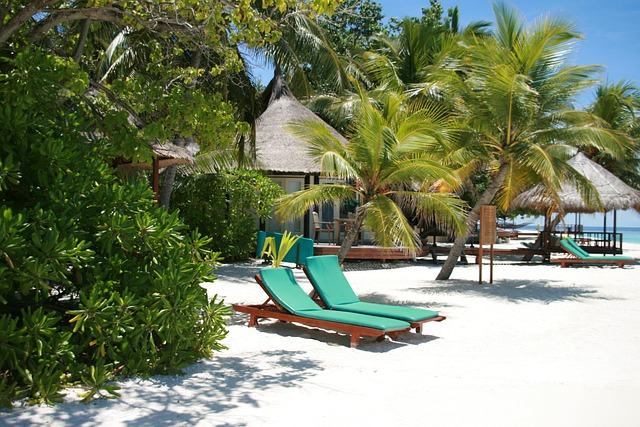
Similarly, remote island settings like the Maldives benefit immensely from all-inclusive packages. When every meal has to be shipped to a private island, individual dining costs add up quickly. Bundling your food, drinks, and sea transfers upfront can protect your wallet from exorbitant restaurant markups in remote tropical environments.
- Cancun and the Riviera Maya offer high competition and strong package value.
- Punta Cana features expansive beach complexes suited for effortless relaxation.
- The Maldives helps cap steep island dining and beverage expenses.
When You Should Book Independent Hotels Instead
If your destination has safe, walkable neighborhoods, great public transit, and a vibrant dining scene, all-inclusive packages rarely make sense. Islands like Mallorca and coastal hubs like Phuket are famous for their affordable street food, seaside taverns, and rich village markets. Locking yourself into a resort buffet here means missing the best parts of the destination.
The same rule applies to major urban stopovers like Dubai, where world-class dining and city sights are spread across multiple districts. In these places, booking a boutique hotel or a standard bed-and-breakfast rate gives you the freedom to explore independently while usually spending less money overall.
- Mallorca is best experienced through rental cars and historic village cafes.
- Phuket offers world-renowned local street food and night markets.
- Dubai rewards visitors who dine across its diverse neighborhoods and waterfronts.
How to Do the Math Before You Book
To find out if an all-inclusive resort is worth the price, run a realistic estimate of your daily spending habits. Start with standard hotel rates in the area, then add an estimate for three meals, afternoon snacks, specialty coffees, and alcoholic beverages per person. If you are light eaters or rarely drink alcohol, you will rarely break even on an all-inclusive rate.
Factor in how much time you intend to spend away from the property on tours, boat charters, or historic visits. If you plan to be out on day trips for three out of five days, you are essentially paying for lunches and drinks you will never consume. Keep in mind that prices fluctuate based on season, and resort fees or taxes may apply depending on local regulations.
- Calculate your average daily spend on food and beverages per traveler.
- Deduct days you expect to be away on full-day excursions.
- Compare the total package against a room-only rate at a comparable hotel.
FAQ
Are all-inclusive resorts cheaper than paying as you go?
They can be cheaper if you drink alcohol regularly, dine entirely on property, and travel with children who snack often. However, if you eat light meals or enjoy exploring local restaurants, paying as you go usually saves money.
Do I still need to tip at an all-inclusive resort?
Tipping customs depend on the country and resort brand. While many resorts include gratuities in the total price, leaving small cash tips for bartenders, housekeepers, and servers is customary and appreciated in places like the Caribbean and Mexico.
How can I tell if an all-inclusive resort has good food?
Look for recent traveler reviews that specifically mention meal variety and specialty dining reservations rather than overall ratings. Resorts that partner with known chefs or feature distinct à la carte restaurants typically offer better culinary quality than properties relying solely on large buffets.
Is an all-inclusive resort a good choice for solo travelers?
It depends on whether the property charges a single supplement fee, which can raise the nightly price significantly. However, wellness-focused or adults-only resorts can be safe, low-stress environments for solo travelers looking to unwind without planning logistics.
Plan it with TripPilot
Tell our AI where you want to go and get flights, hotels and a day-by-day plan.
Start planningWritten with AI help and checked for usefulness. Prices, opening times and travel rules change, so check before you go. Photos: ruledis21 on Pixabay.