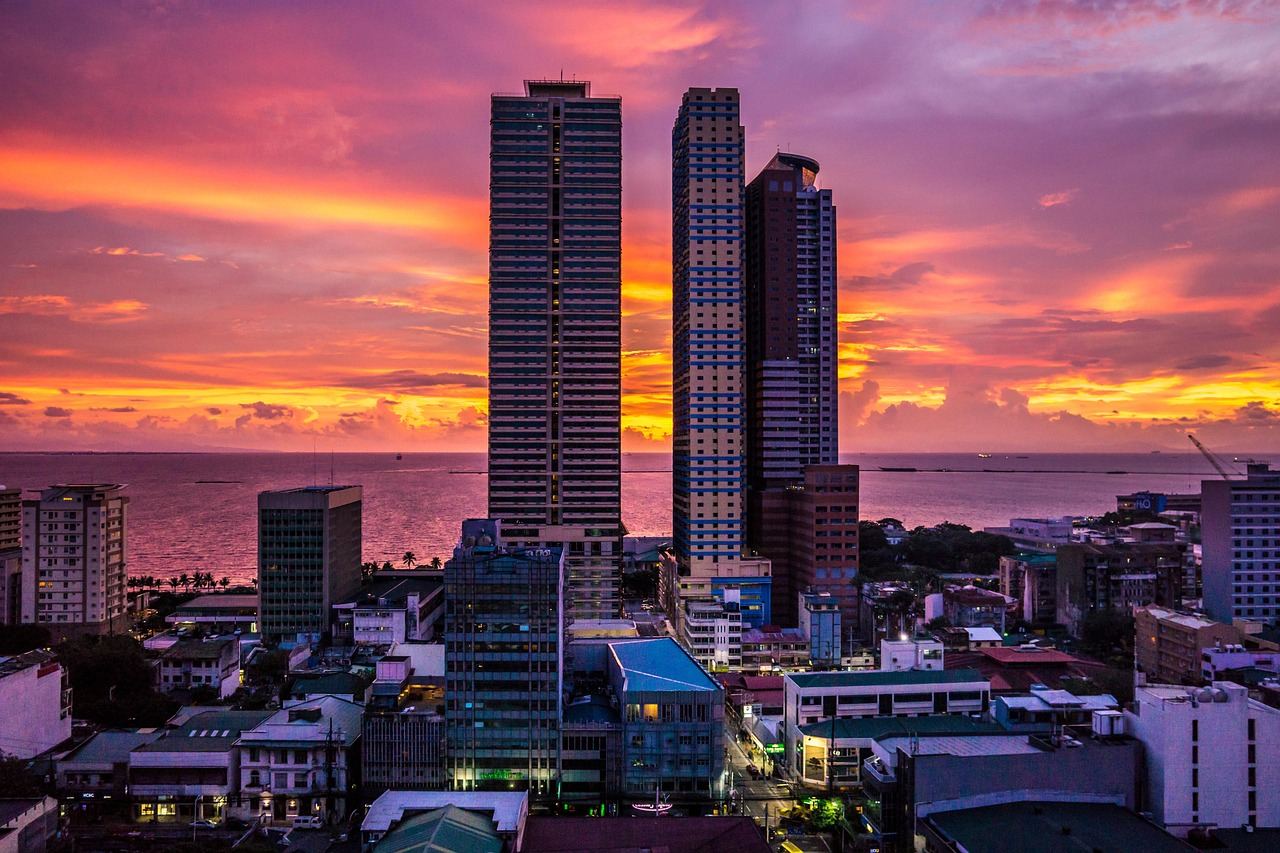
Intramuros
Manila, Philippines · Landmark
About Intramuros
Intramuros is the historic walled district of Manila, established during the Spanish colonial era in the late 16th century. Enclosed by thick stone ramparts and defensive bastions, it once served as the political, religious, and military heart of the Philippines. Today, it remains Manila's most famous cultural treasure, filled with cobblestone streets, heritage churches, and tranquil plazas.
Don't miss
- Explore Fort Santiago, a storied citadel that features underground dungeons and a museum dedicated to national hero Dr. José Rizal.
- Visit San Agustin Church, an ornate UNESCO World Heritage site and the oldest stone church in the Philippines.
- Walk along the ancient fortifications and lush gardens of Baluarte de San Diego for expansive views over the city.
- Admire the grand neoclassical facade and stained-glass windows of the historic Manila Cathedral on Plaza de Roma.
Plan your visit
Visit during the late afternoon when the tropical heat subsides and the ramparts offer lovely sunset views. The cooler, drier months from December to February provide the most comfortable walking conditions.
Entering the walled district itself is free, but individual attractions such as Fort Santiago and the San Agustin Museum charge modest admission fees. Tickets can be purchased on-site upon arrival without needing advance reservations.
Take the LRT-1 line to Central Terminal Station and walk or take a short tricycle ride to the walled district. Taxis and ride-hailing apps like Grab offer direct and comfortable drop-offs at Plaza de Roma or Fort Santiago.
Tips for visiting
- Rent a handcrafted bamboo bicycle or join a guided Bambike tour to navigate the district smoothly.
- Wear sturdy walking shoes to comfortably handle the uneven cobblestone streets and stone staircases.
- Carry sun protection and an umbrella, as shade can be limited when walking atop the fortress walls.
- Dress respectfully by covering shoulders and knees if you plan to enter active places of worship.
- Agree on a total fare beforehand if you decide to hire a traditional horse-drawn calesa or pedicab.
Intramuros FAQ
Is Intramuros easy to explore on foot?
Yes, Intramuros is very compact and well-suited for walking, with most primary attractions clustered within a short radius. Sidewalks and cobblestones can be uneven in spots, so sturdy footwear is recommended. Walking allows you to easily discover hidden courtyards, cafes, and historic markers.
Is Intramuros safe for visitors?
Intramuros is generally safe for tourists, with dedicated tourist police stationed around major sites. As with any urban destination, stay alert to your surroundings and secure your valuables in crowded plazas. Stick to well-lit main thoroughfares if exploring after dark.
Are there places to eat inside Intramuros?
Yes, the district hosts a variety of dining choices ranging from charming rooftop restaurants to casual courtyard cafes. Many heritage houses have been converted into eateries serving classic Filipino dishes, Spanish tapas, and cold refreshments like halo-halo.
Can you visit Intramuros at night?
While indoor museums and gated fortifications close by late afternoon, the streets and public plazas remain open in the evening. Illuminated historic facades and quieter cobblestone avenues create a scenic, atmospheric setting for dinner or a twilight stroll.
More things to do in Manila
San Agustin Church Landmark
Admire the oldest stone church in the Philippines, a UNESCO World Heritage site known for stunning trompe l'oeil ceilings.
National Museum Complex Museum
Explore the National Museum of Fine Arts and Natural History to view iconic masterworks like Juan Luna's Spoliarium.
Binondo Chinatown Food
Wander the world's oldest Chinatown to taste savory dumplings, lumpia, and sweet hopia on a lively food crawl.
Rizal Park (Luneta) Landmark
Stroll through this sprawling historic urban park dedicated to the national hero Dr. Jose Rizal.
BGC Arts Center and High Street Neighborhood
Experience contemporary Manila in Bonifacio Global City with vibrant street murals, modern public art, and sleek outdoor promenades.
Poblacion Nightlife Nightlife
Discover Makati's hip heritage district packed with creative cocktail bars, rooftop speakeasies, and eclectic indie diners.
Mall of Asia and Manila Baywalk Shopping
Catch the famous Manila Bay sunset before shopping and dining across one of Asia's largest retail complexes.
AI-written guide, last updated 2026-10-09. Check opening times and ticket prices on the official website before you go. Photos: TheDigitalWay, flypal_korea on Pixabay.